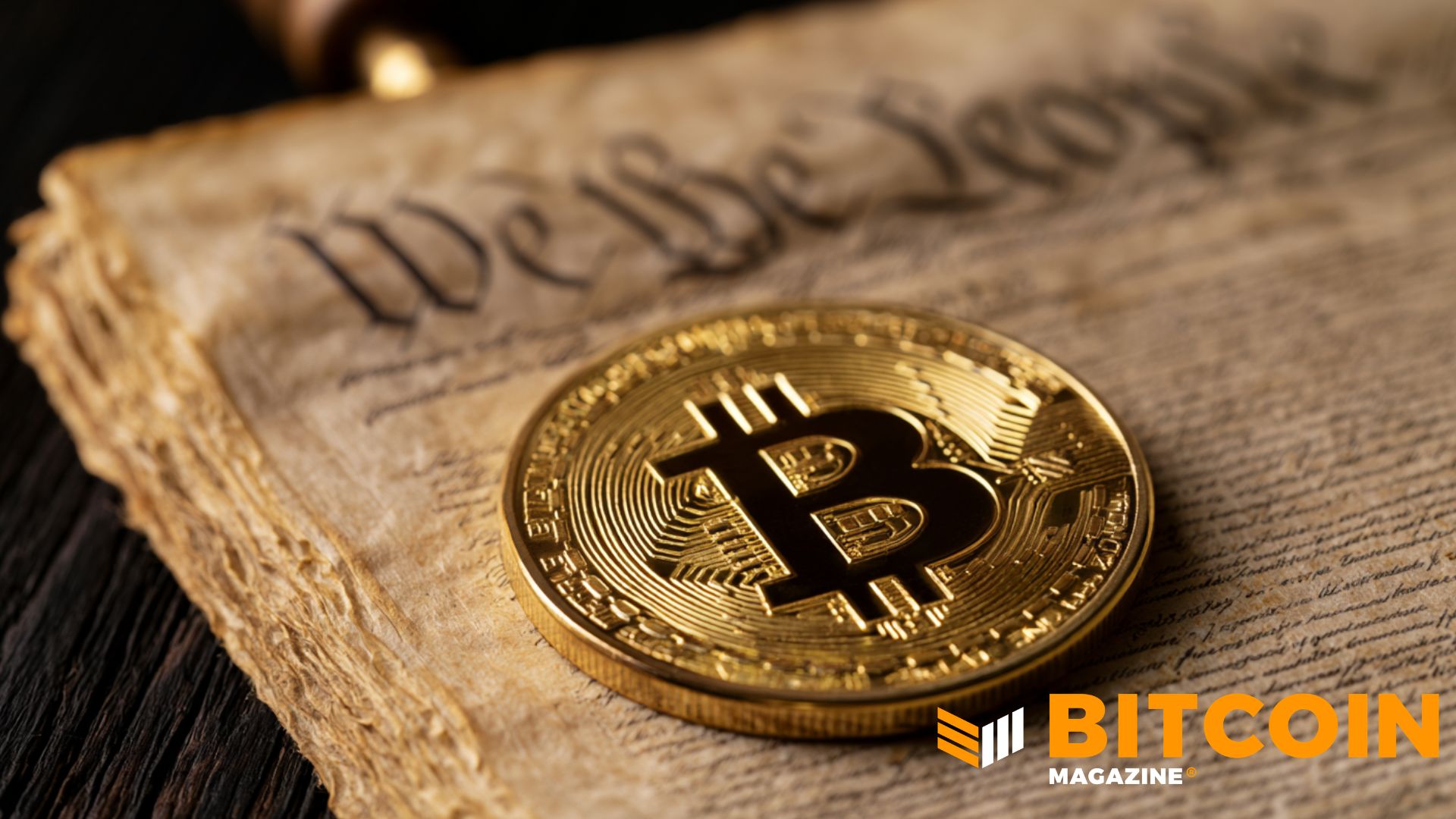
An unknown user permanently inscribed the full text of the U.S. Constitution onto the Bitcoin blockchain through a single $83 transaction. The move demonstrates Bitcoin's capacity to store arbitrary data via the inscription protocol, a feature that gained traction after Ordinals launched in early 2023.
Bitcoin inscriptions allow users to embed files, images, and text directly into the blockchain by attaching data to satoshis, the smallest unit of Bitcoin. The Constitution inscription joins thousands of other inscriptions already stored on the network, ranging from digital art to memes to historical documents.
The transaction cost reflects current Bitcoin fee markets. At $83, the inscription was economical compared to earlier 2023 pricing when inscription fees spiked during high network congestion. The anonymous nature of blockchain transactions means the inscriber's identity remains unknown, though their action underscores Bitcoin's immutability as a permanent record-keeping system.
This development highlights a persistent tension in the Bitcoin community. Proponents view inscriptions as a legitimate use case that strengthens network adoption and generates fee revenue for miners. The Constitution inscription carries symbolic weight, embedding a foundational U.S. legal document into a decentralized, censorship-resistant system. Critics argue inscriptions bloat the blockchain, increasing storage requirements and transaction throughput demands.
Bitcoin's current block size limits and the inefficiency of storing large data on-chain have driven debate about whether inscriptions represent the best use of blockchain space. However, the protocol permits such transactions without restrictions, and miners continue processing them profitably.
The Constitution inscription joins other notable blockchain preservation efforts, including the storage of artwork, academic papers, and historical records across various chains. Whether viewed as innovation or digital graffiti, the inscription demonstrates how Bitcoin's immutable ledger can encode human culture and law beyond mere financial transactions.