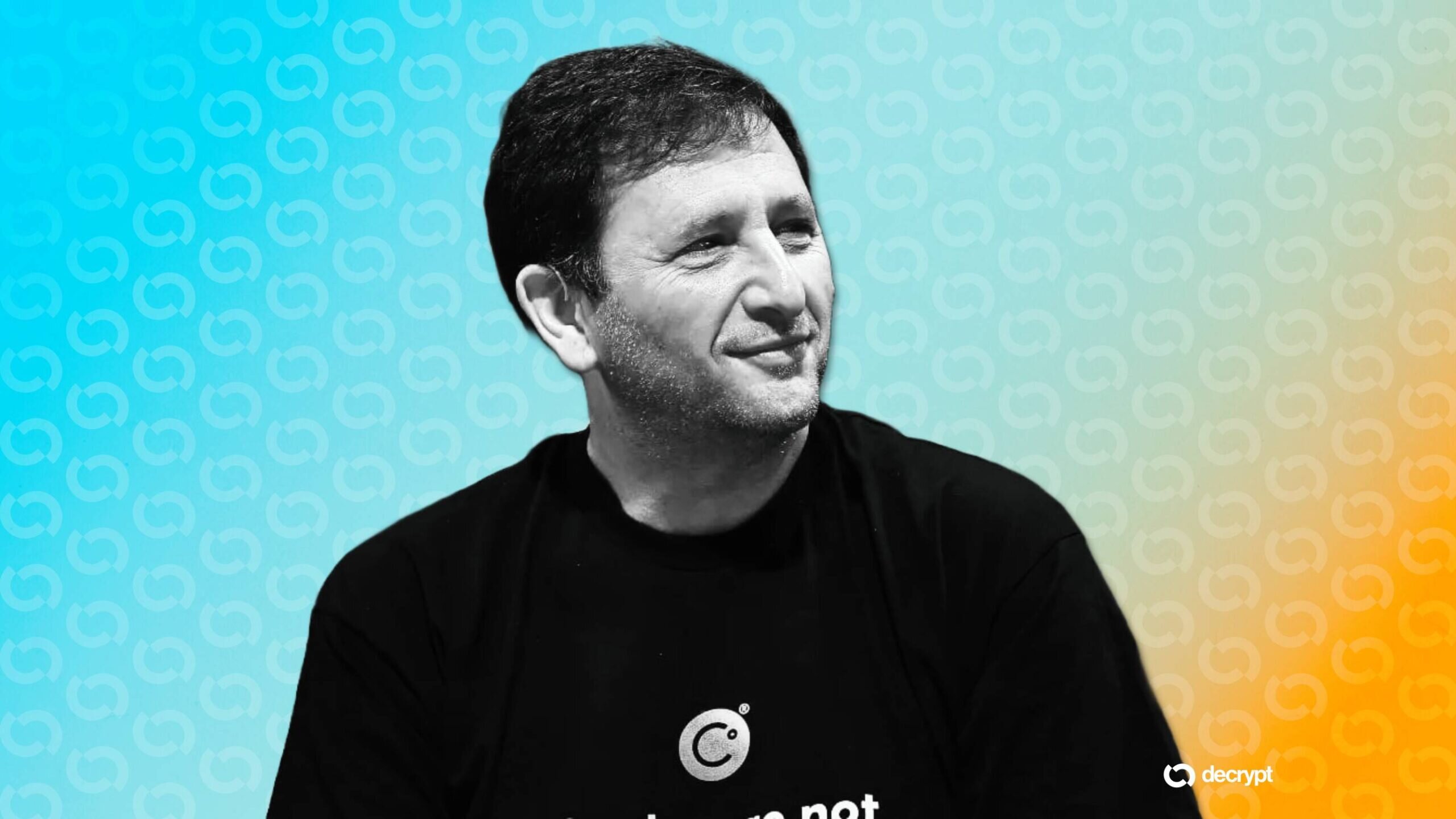
Alex Mashinsky, the Celsius founder convicted in crypto fraud, has filed a motion to vacate his 12-year prison sentence. The filing cites a legal conflict connected to Sam Bankman-Fried's case.
Mashinsky was sentenced in June 2024 after his conviction on multiple fraud counts. He faced charges including wire fraud, securities fraud, and conspiracy related to Celsius's operations. The platform collapsed in 2022 amid liquidity crises, leaving hundreds of thousands of users unable to withdraw their deposits.
The vacatur motion introduces a new angle. Mashinsky's legal team argues that circumstances involving Bankman-Fried's prosecution created conditions warranting sentence reconsideration. The specific nature of the alleged conflict remains unclear from available reporting, but such motions typically argue prosecutorial misconduct, changed legal standards, or procedural irregularities that affect sentencing validity.
Bankman-Fried himself received a 25-year sentence in November 2023 following his conviction on wire fraud and conspiracy charges related to FTX's 2022 collapse. The two cases represent the largest crypto fraud convictions of the past decade, with prosecutors aggressively pursuing senior executives across failed platforms.
Mashinsky maintained his innocence throughout trial. His defense argued that he acted in good faith during Celsius's operations and that market conditions, not management misconduct, caused the protocol's failure. The jury rejected this narrative, finding sufficient evidence of intentional deception regarding Celsius's financial health and user fund security.
The motion to vacate faces an uphill climb. Federal courts rarely overturn sentences absent clear procedural errors or extraordinary circumstances. However, if Mashinsky's legal team can demonstrate that prosecutorial decisions in related cases established precedent undermining his conviction's validity, courts may grant reconsideration.
This filing comes as the crypto industry grapples with enforcement actions against multiple platform executives. The outcomes of these cases set tone for how regulators and prosecutors approach liability when platforms fail.