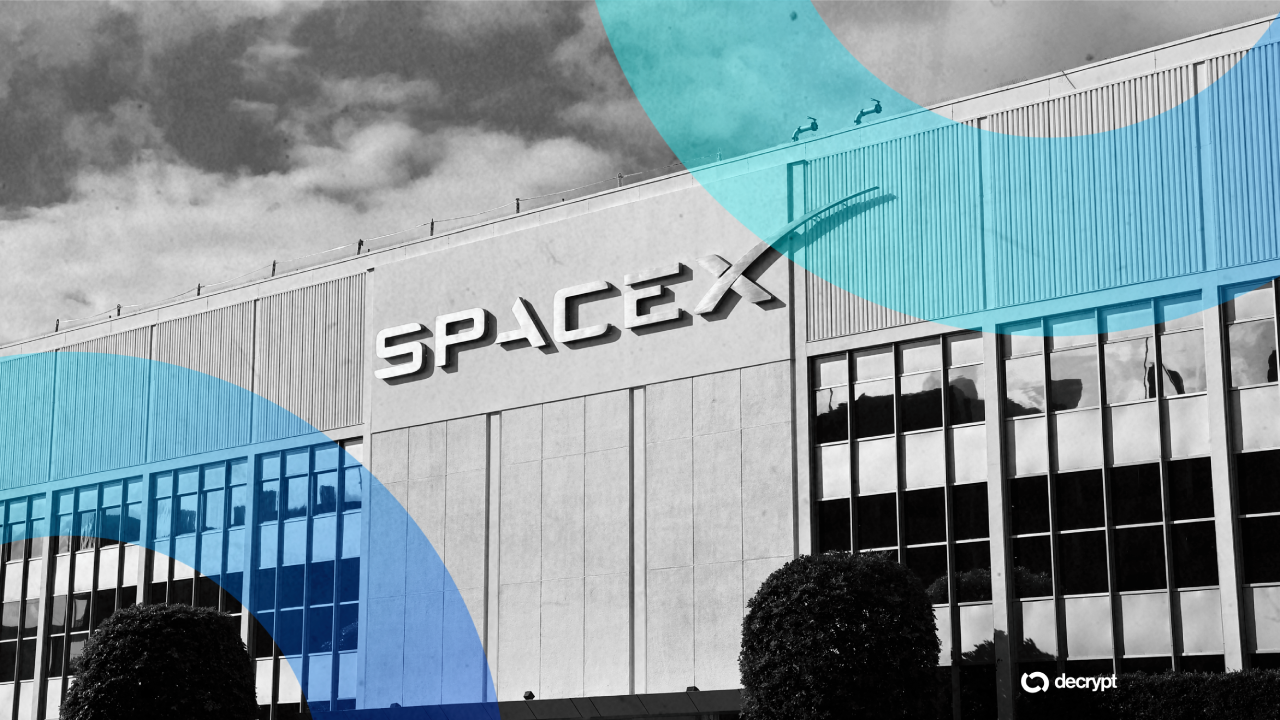
SpaceX disclosed in an amended IPO filing that it may issue substantial new shares in future transactions, a warning to potential investors in the company's planned $1.75 billion offering. The aerospace company flagged the risk of future share dilution as it pursues aggressive expansion plans under Elon Musk's leadership.
The filing, submitted as part of SpaceX's registration process, explicitly states that the company could raise capital by issuing additional equity. This dilution would reduce the ownership percentage of current and incoming shareholders. SpaceX cited its capital-intensive operations and long-term growth objectives as reasons for reserving the right to conduct future equity raises.
The disclosure reflects the reality of venture-backed aerospace companies requiring continuous capital infusion to fund rocket development, satellite launches, and infrastructure buildout. SpaceX's Starship program, Mars colonization efforts, and Starlink satellite internet expansion all demand substantial cash reserves. The company has raised multiple funding rounds before, with valuations climbing from $74 billion in 2021 to recent assessments near $200 billion.
For IPO investors, the warning carries particular weight. Shareholders buying into the offering face potential ownership dilution if SpaceX returns to capital markets. However, this is standard practice for high-growth companies with multi-generational ambitions. SpaceX's track record of successfully executing on product roadmaps and generating revenue through government contracts and commercial launches may offset dilution concerns for many investors.
The $1.75 billion IPO marks SpaceX's first major move toward public markets, though Musk has resisted going public for years, preferring private capital. The shift signals confidence in the company's financial trajectory and commercial viability. Starlink alone generates billions in annual revenue, providing a stable cash flow stream that supports SpaceX's capital expenditures.
The share dilution warning remains standard disclosure language in IPO filings. What distinguishes SpaceX's case is the scale of capital requirements tied to increasingly ambitious projects. Investors should weigh near-term dilution risks against long-term upside from a company resh