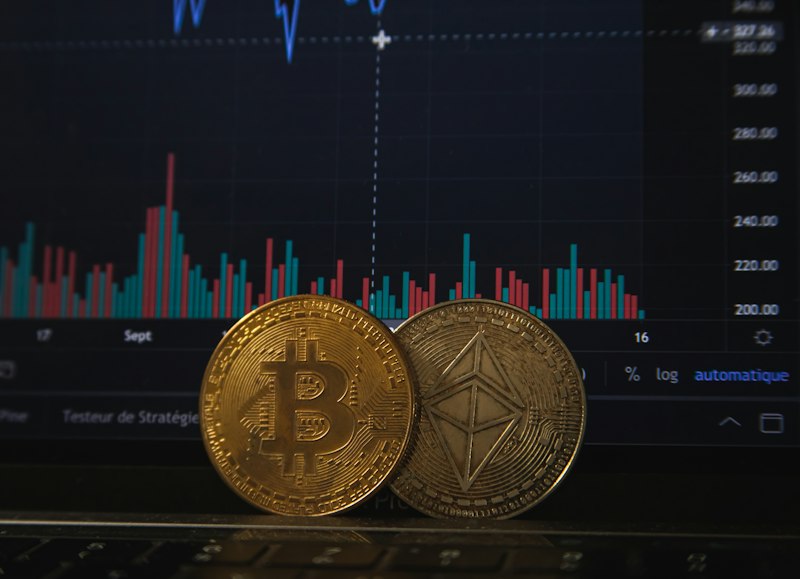
This trend is being sold as inevitable: Bitcoin's computational footprint is so massive that it either represents a technological marvel we should celebrate or an environmental catastrophe we must stop. The evidence presented on both sides sounds compelling, which is precisely why we should be skeptical of both.
Recent claims about Bitcoin's computing power have circulated widely. One prominent narrative suggests Bitcoin's processing capacity dwarfs the world's top supercomputers by orders of magnitude. This sounds important. But the framing obscures more than it reveals about what Bitcoin actually does with that power, and whether the comparison tells us anything useful about efficiency or waste.
Here's the problem: Bitcoin and supercomputers solve fundamentally different problems. A supercomputer runs specific calculations with measurable outputs. Bitcoin's network performs computational work primarily to validate transactions and secure its ledger through proof-of-work consensus. Comparing raw computational throughput between them is like measuring a library by how much sound it can amplify. The numbers might be true, but the comparison lacks meaning.
The environmental argument follows similarly murky logic. Bitcoin's energy consumption is substantial, that much is documented. But the rhetoric around this fact often slides from "Bitcoin uses significant electricity" to "Bitcoin is uniquely wasteful" without examining the middle ground. Energy usage only becomes meaningful when compared to utility provided and alternatives available.
Consider how this debate typically unfolds. Advocates note that Bitcoin's network secures trillions in value with distributed consensus. Critics counter that this security comes at an environmental cost that centralized digital payment systems don't require. Both statements contain truth. Neither settles whether the trade-off is justified or inevitable.
What's missing from mainstream coverage is harder questioning: How much of Bitcoin's energy consumption reflects genuine security needs versus market dynamics that incentivize mining? If Bitcoin networks shifted consensus mechanisms or scaling approaches, would energy use drop substantially, and if so, what security trade-offs would follow? These questions don't have simple answers, which is exactly why they deserve more scrutiny than they receive.
The "inevitable" framing is doing real work here. When industry figures claim Bitcoin's dominance is written into the physics of blockchain technology, or when critics insist a collapse is mathematically certain, both are selling inevitability that doesn't actually exist. Bitcoin's future energy profile, adoption rate, and role in global finance remain genuinely uncertain.
Recent market volatility in Bitcoin pricing offers a useful reminder that even participants in cryptocurrency markets disagree fundamentally about Bitcoin's future value and utility. This disagreement should extend to its technical properties. The fact that Bitcoin uses immense computational resources is measurable. Whether that's a feature, a bug, or a transitional characteristic is analytical territory where more intellectual humility would serve us better.
Some readers will see this column and assume I'm defending Bitcoin's energy footprint. Others will read it as an attack on Bitcoin's viability. Neither interpretation is quite right. My actual position is simpler: we deserve analysis of Bitcoin that resists both evangelical certainty and dismissive inevitability.
The technology exists. The energy is being used. The questions about whether this trade-off makes sense are legitimate. But those questions can't be answered by comparing computational throughput to supercomputers or by citing price movements as evidence of ultimate value. They require examining specific claims, acknowledging uncertainty, and resisting the temptation to outsource our thinking to grand narratives about what "must" happen next.
That skepticism applies equally to Bitcoin's most enthusiastic supporters and its most confident critics.