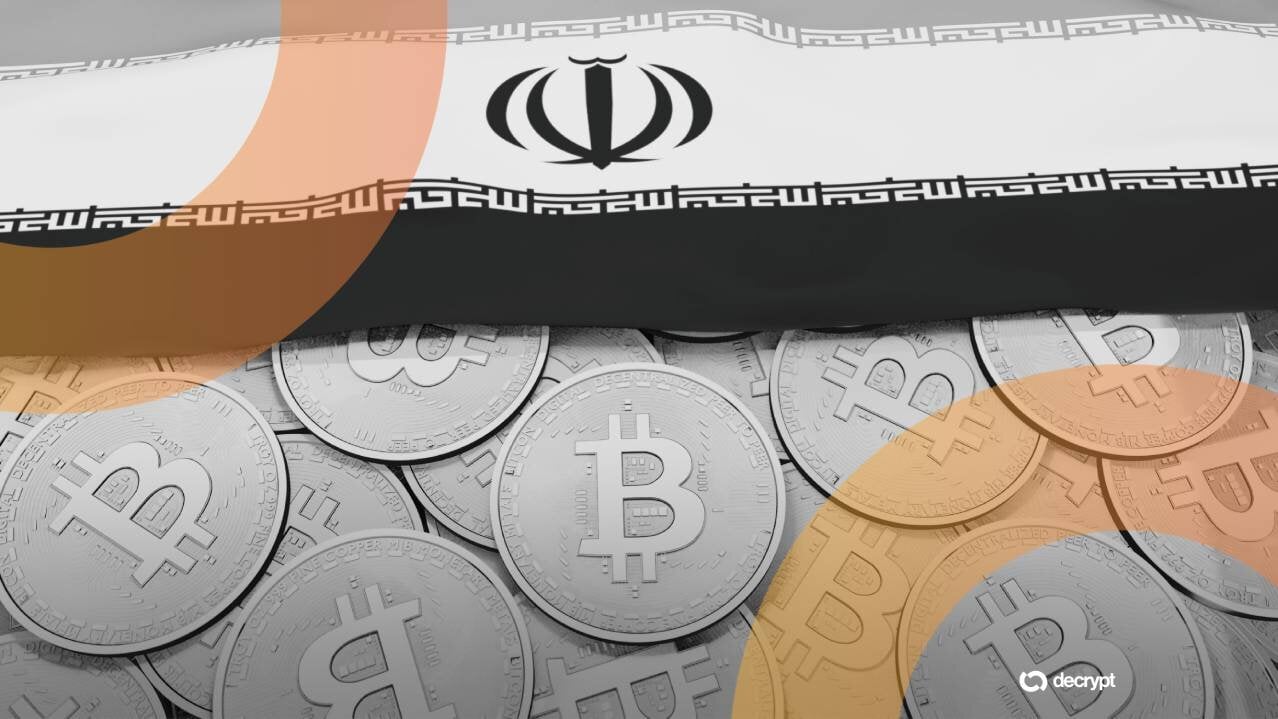
The US Treasury Department's Office of Foreign Assets Control (OFAC) has sanctioned multiple Iranian cryptocurrency exchanges, including Nobitex, for facilitating terrorist financing and evading international sanctions. OFAC determined that these platforms enabled illicit financial flows across Iran's crypto ecosystem, circumventing traditional banking restrictions.
Nobitex, one of Iran's largest crypto trading platforms, faces full asset freezes and transaction blocking under the new designations. The sanctions target the exchange's role in converting traditional Iranian currency into digital assets, effectively converting OFAC-blocked fiat into crypto-based vehicles for sanctions evasion.
The action reflects escalating US enforcement against Iran's cryptocurrency infrastructure. Previous OFAC designations targeted Iranian crypto mixers and exchanges throughout 2021 and 2022, but this round targets major retail-facing platforms directly. The move signals the Treasury views Iran's entire crypto onboarding layer as complicit in illicit finance networks.
Iranian exchanges have long served as critical infrastructure for sanctions evasion. With traditional banking severely restricted under decades of US sanctions, Iranian entities turn to crypto to move value internationally. Nobitex and similar platforms provide the fiat-to-crypto ramps that make this possible. By freezing these platforms, OFAC aims to disrupt the conversion mechanism itself.
The designation carries immediate compliance requirements for any US persons or entities. Any interaction with Nobitex or the other sanctioned exchanges triggers potential criminal liability. Crypto exchanges globally must implement blockchain monitoring to flag transactions linked to these platforms.
This enforcement action underscores the Treasury's ongoing focus on Iran as a primary sanctions-evasion threat. While decentralized exchanges and peer-to-peer crypto trading remain difficult to regulate, OFAC continues targeting the centralized on-ramps that give Iran's economy access to global crypto liquidity. The sanctions likely will push Iranian activity further into decentralized channels, but the regulatory pressure demonstrates Washington's determination to constrain Tehran's financial options.