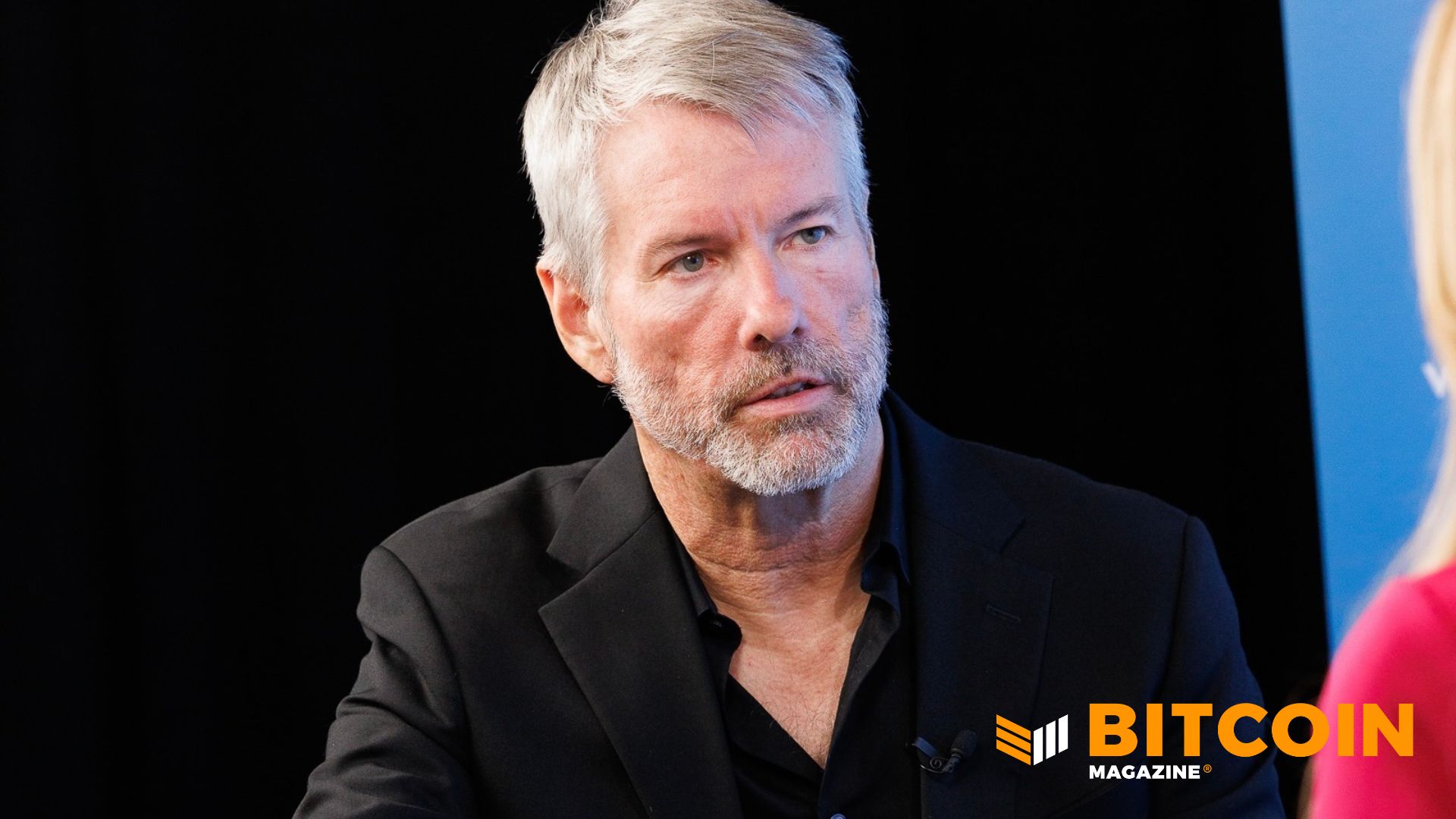
Bitcoin dropped below $62,000 as Michael Saylor, MicroStrategy's chairman, attributed the selloff to capital rotation into AI rather than deteriorating Bitcoin fundamentals. Saylor's framing reflects a common narrative among Bitcoin advocates seeking to contextualize near-term weakness in the broader macro environment.
MicroStrategy holds over 500 million dollars worth of Bitcoin and remains one of the largest corporate accumulators in the space. Saylor has consistently positioned BTC as a store of value competing with gold and fiat debasement. His "capital rotation" thesis suggests investors are temporarily redirecting funds toward AI-related assets and infrastructure plays while maintaining long-term conviction in Bitcoin's digital scarcity narrative.
The timing matters. Bitcoin has faced headwinds from multiple directions. Traditional markets showed volatility as growth stocks and technology equities competed for capital amid shifting Federal Reserve expectations and AI enthusiasm dominating institutional portfolios. Major AI-adjacent stocks and semiconductor names captured institutional flows, potentially pulling liquidity from crypto assets.
BTC's drop below $62,000 represents pressure on near-term technicals. The level tests support that held through late 2024. Traders watched for whether the move represented a correction within a longer uptrend or the beginning of a more substantial retracement. Volume patterns and on-chain data would determine if selling came from long-term holders or traders managing positions.
Saylor's commentary carries weight given MicroStrategy's scale as a Bitcoin buyer. The company has spent billions acquiring BTC over multiple years, betting that corporate treasuries should hold Bitcoin rather than cash. If Saylor maintains this stance despite price weakness, it signals confidence that the selloff offers tactical buying opportunities rather than fundamental deterioration.
The AI rotation narrative has merit in markets obsessed with the next structural growth driver. However, skeptics note that capital flowing to AI infrastructure does not require abandoning Bitcoin holdings entirely. Institutional portfolios often hold both, suggesting the rotation may prove temporary rather than permanent reallocation of conviction.