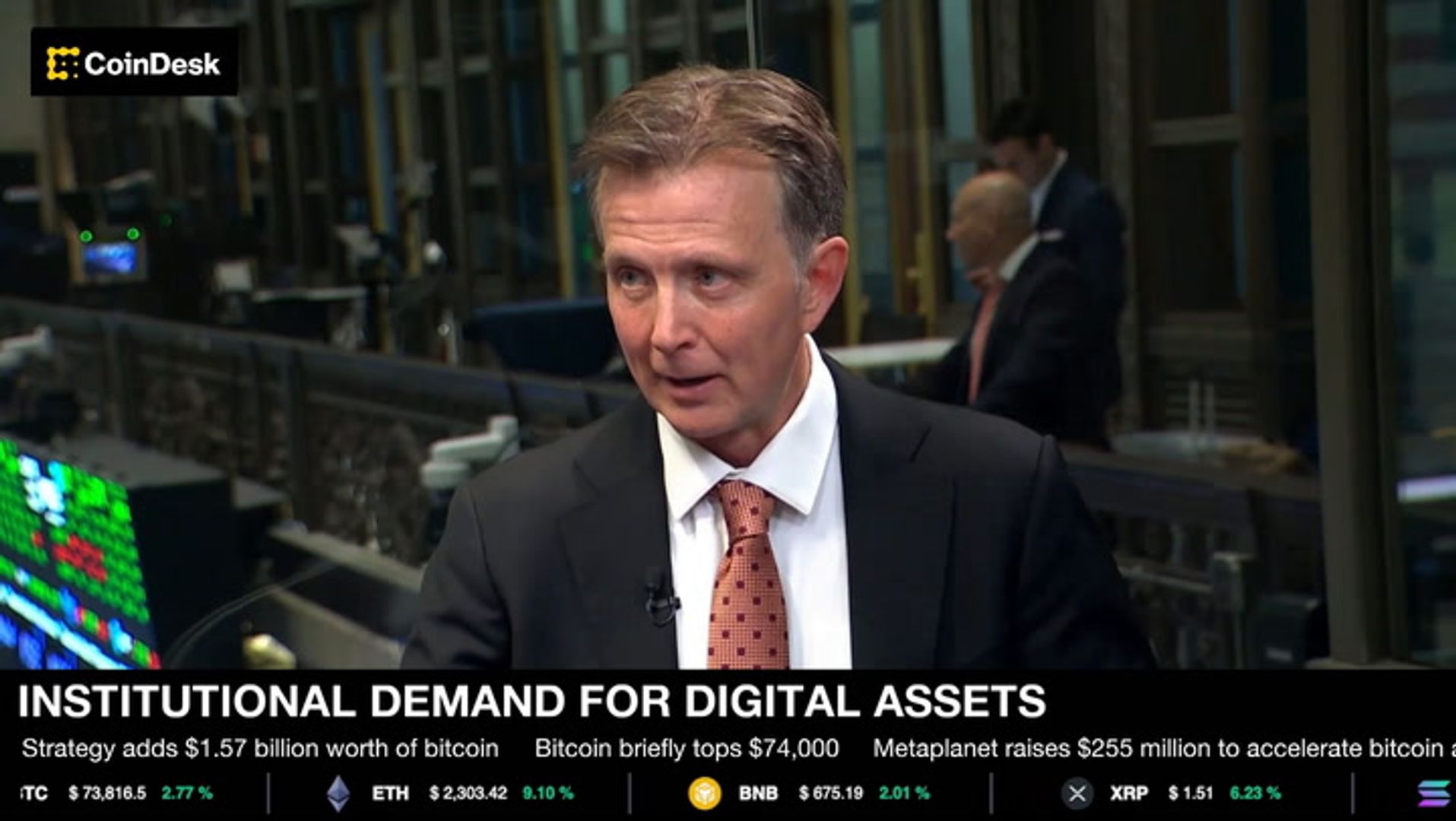
Abra's push toward a Nasdaq listing marks a pivot point for crypto wealth management. CEO Bill Barhydt believes tokenized yield products and onchain lending will define the next phase of institutional adoption in digital assets.
The shift reflects broader market maturation. Retail crypto investors built the foundation over the past decade. Now institutions want entry points that fit their operational framework. Tokenization addresses this directly. Instead of holding raw crypto assets, institutions can own fractional claims on yields, lending pools, or real-world assets backed by blockchain infrastructure.
Barhydt's thesis targets a specific pain point. Traditional finance generates yield through bonds, stocks, and derivatives. Crypto offers superior yield on stablecoins and collateralized debt positions, but accessing these requires technical expertise and custody solutions that most institutions lack. Tokenized products package this complexity into familiar securities formats.
Onchain lending complements this strategy. Protocols like Aave and Compound already offer high yields, but institutional investors need regulatory clarity and counterparty transparency. Abra's wealth management angle wraps these protocols in compliance layers and professional custody, making them digestible for family offices, pension funds, and asset managers.
The Nasdaq listing itself signals regulatory normalization. Public market access requires SEC scrutiny and ongoing compliance. This legitimacy matters for institutional gatekeepers who remain skeptical of purely private crypto companies. A public listing removes that friction.
Price action in tokenization-focused tokens reflects this thesis. Projects like Synthetix (SNX) and Aave (AAVE) have already captured some of this opportunity, but execution risk remains high. Abra's entry into public markets adds competitive pressure and validates demand for these products.
Regulatory headwinds persist despite the optimistic framing. The SEC continues scrutinizing crypto lending products and staking yields. Tokenized asset offerings occupy gray legal territory in most jurisdictions. Barhydt's confidence suggests Abra has navigated these concerns, but other firms may face enforcement action before market standards crystallize.
The timing aligns with Fed pivot expectations. Lower interest rates typically reduce traditional yield, pushing capital toward alternatives like crypto. If rate cuts materialize in 2024 and 2025, institutional appetite for onchain yields could accelerate sharply.
Abra's Nasdaq debut represents a referendum on whether institutional crypto adoption will materialize through tokenized products rather than spot Bitcoin or Ethereum ownership. Barhydt is placing his bet. Whether institutional capital actually arrives remains the open question.