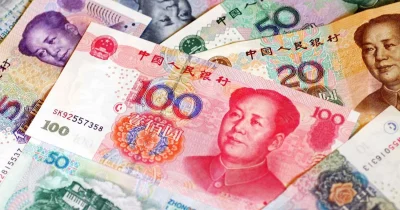
Chinese banks have increased dollar deposit rates to combat persistent yuan appreciation, a move with ripple effects across global markets and cryptocurrency demand dynamics.
The rate hikes serve a dual purpose. Banks attract dollar deposits to reduce excess yuan liquidity, which fuels currency strength. Higher dollar rates incentivize depositors to hold USD rather than convert to yuan, creating a natural counterweight to appreciation pressure. This strategy operates within China's broader capital management framework, where authorities balance growth with currency stability.
The timing matters. Yuan strength has accelerated against major currencies, driven by China's economic recovery expectations and relative interest rate differentials. By offering more attractive dollar deposit returns, banks shift the incentive structure without requiring direct central bank intervention or stricter capital controls.
The crypto angle is direct. During periods of yuan strength and capital outflow concerns, investors typically increase crypto holdings as a borderless alternative to traditional banking. Bitcoin and stablecoins serve as hedges against currency volatility and perceived restrictions on yuan movement. Higher dollar deposit rates reduce this hedge demand by offering legitimate, regulated alternatives to hold foreign currency exposure.
Global liquidity faces compression. Dollar deposits at Chinese banks represent a form of dollar demand that normally flows toward offshore markets and crypto trading desks. When Chinese banks attract these dollars domestically with higher rates, global dollar availability tightens, potentially reducing leverage capacity in crypto lending markets and affecting stablecoin issuance.
The regulatory angle reveals intent. China's approach avoids heavy-handed capital controls while achieving currency stability through market mechanisms. This softer touch suggests authorities view yuan appreciation as manageable rather than crisis-level. It also signals confidence in the banking system's ability to intermediate foreign currency flows efficiently.
Market participants should monitor several indicators. If dollar deposit rates at Chinese banks rise materially above USD offshore rates, capital inflows into the Chinese system accelerate, reducing onshore crypto adoption pressure. Conversely, if yuan depreciation resumes, the rate support proves insufficient and crypto demand could spike again.
The broader context involves China's dual commitment to opening capital markets while managing currency stability. Higher dollar deposits achieve both goals without resorting to restrictions that might trigger international criticism or trigger capital flight through alternative channels.
This development reflects mature monetary policy toolkit application. Rather than restrictive measures, Chinese banks deployed pricing mechanisms to achieve policy objectives while maintaining system stability and market function.