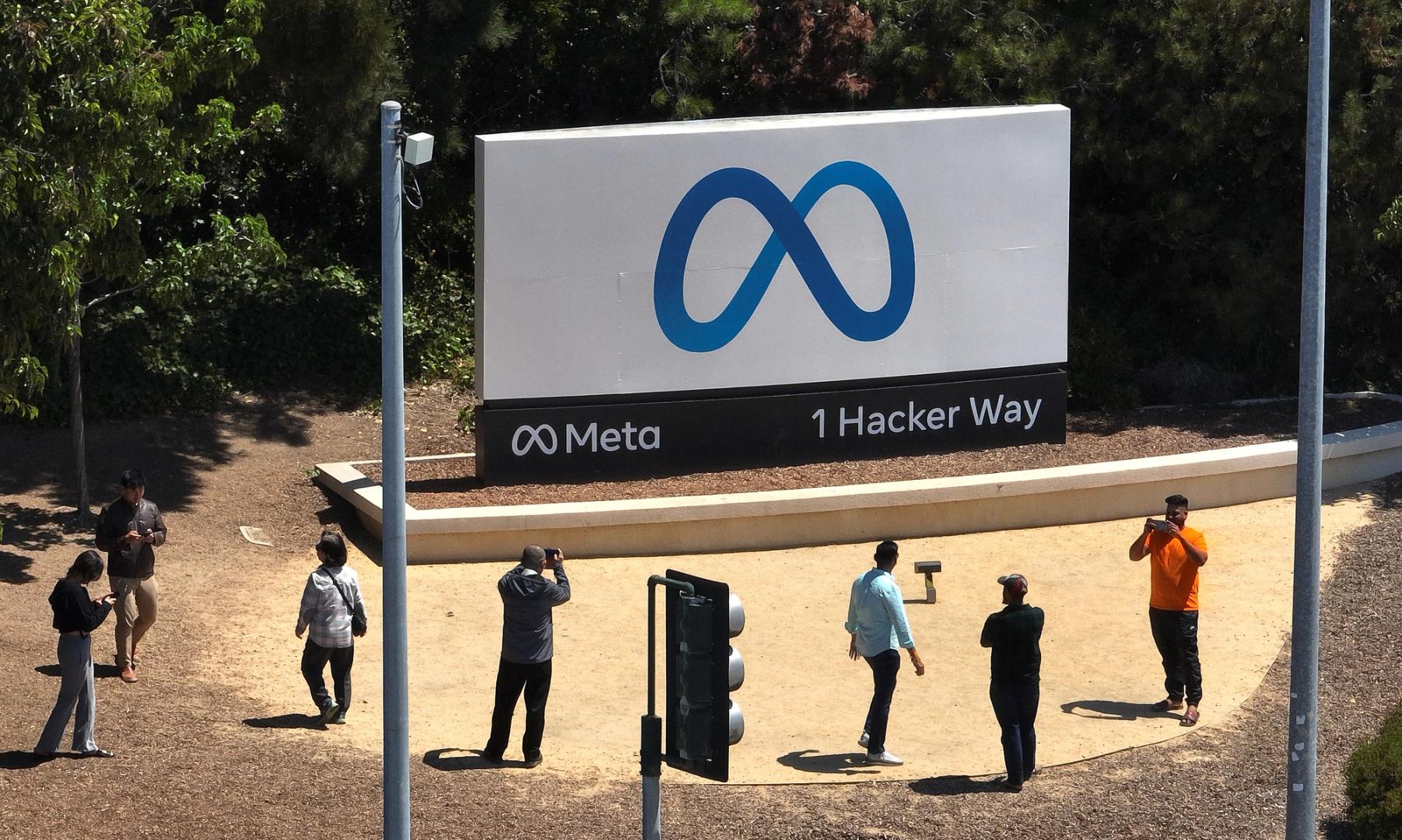
Meta's choice to pay creators directly in USDC represents a watershed moment for stablecoin adoption, but reveals a stubborn gap in crypto infrastructure that the industry has yet to solve.
The social media giant now disburses creator earnings through Circle's USDC, a dollar-pegged stablecoin. This move carries real weight. Meta controls one of the world's largest creator economies, with millions of content producers across Facebook, Instagram, and Threads depending on platform payouts. Routing these payments through blockchain infrastructure instead of traditional banking rails signals that stablecoins have graduated from experimental tokens to production-grade financial rails.
But here's where the narrative breaks down. Receiving USDC and converting it to spendable local currency remain two separate problems. Creators in emerging markets face the steepest friction. A Nigerian creator earning USDC must navigate off-ramps with limited liquidity, unfavorable exchange rates, and banking partners skeptical of crypto transactions. A Venezuelan creator faces even grimmer options. Even in developed markets, converting stablecoins to fiat and moving money into personal bank accounts involves multiple intermediaries, each extracting fees.
The irony cuts both ways. For Meta, USDC payments reduce exposure to currency fluctuations and banking delays. The company avoids managing accounts across dozens of currencies and jurisdictions. Creators absorb the conversion burden instead. They become de facto market participants, forced to time stablecoin-to-fiat swaps and manage slippage themselves.
Circle, which issues USDC, benefits from expanded utility and network effects. More creators holding USDC creates demand for liquidity solutions and on-ramp services. This incentivizes builders to solve the off-ramp problem, though at a pace that may not match creator expectations.
The underlying issue persists: stablecoins excel at movement between wallets and exchanges, but fail at the final mile. Traditional finance still controls the gateway to spendable money. Banks, payment processors, and regulators determine friction levels when moving from digital dollars back to fiat. Until creators can spend USDC directly at merchants or instantly convert to local currency without loss, Meta's stablecoin payments remain incomplete infrastructure.
This is less about USDC's quality and more about the broader ecosystem's maturity. Meta's move validates stablecoins as a foundation layer, but the industry needs to build the next layer. Otherwise, creators holding USDC face a problem Meta itself dodged.