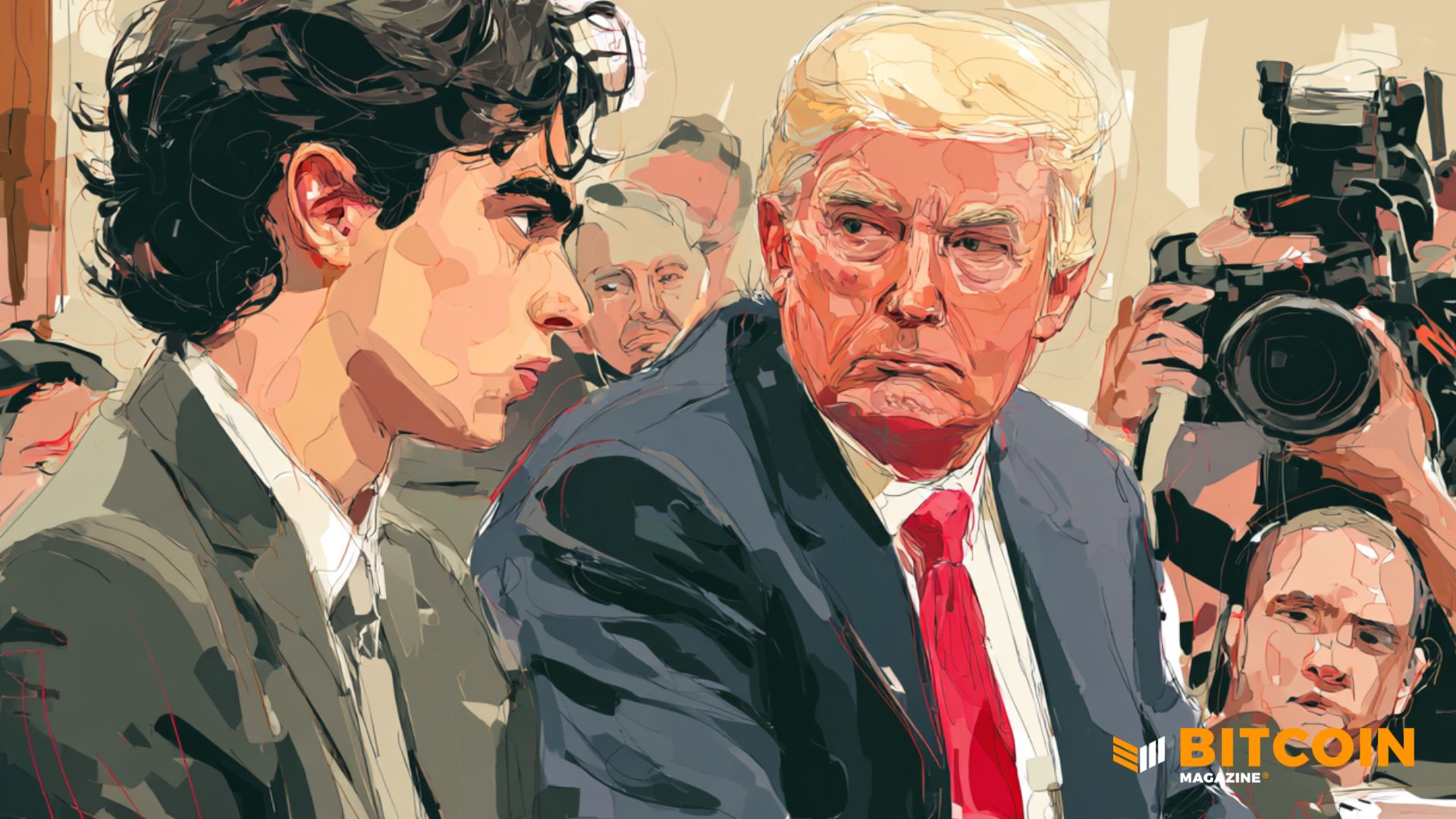
Sam Bankman-Fried filed a formal clemency petition with President Donald Trump, seeking a presidential pardon despite Trump's public statements that he will not grant one. The disgraced FTX founder faces an 8-sentence prison term following his November 2023 conviction on wire fraud, conspiracy, and money laundering charges related to FTX's collapse.
The petition marks SBF's latest attempt to escape consequences after his crypto exchange imploded in spectacular fashion in November 2022, triggering a liquidity crisis that wiped out billions in customer deposits. Bankruptcy proceedings have recovered substantial assets, but the collapse exposed massive fraud spanning loan guarantees, misappropriated customer funds, and deceptive financial reporting.
Bankman-Fried's conviction came after a high-profile trial where prosecutors demonstrated how he and co-conspirators funneled FTX customer deposits into Alameda Research, his private trading firm. The exchange reported a fabricated $8 billion account balance to investors and regulators. Evidence showed systematic deception across FTX's operations, with SBF personally involved in decision-making that violated customer protections.
His defense strategy has consistently aimed at blame-shifting and narrative control. The pardon petition follows attempts to reframe his role as victim of circumstance rather than architect of fraud. Notably, Trump has already signaled unwillingness to intervene, stating he will not pardon SBF. This public rejection complicates any clemency play, though Trump retains formal power to grant pardons through his final presidential acts.
The petition's filing underscores desperation within SBF's legal team. Federal courts have rejected previous appeals, and his conviction remains solid on substantive grounds. Regulatory agencies, including the SEC and CFTC, view the case as landmark evidence of exchange-level misconduct and continue leveraging it to justify enhanced crypto oversight.
SBF's legal strategy now pivots entirely toward executive intervention as traditional appeals exhaust themselves. Even sympathetic observers acknowledge the pardon path faces steep obstacles given Trump's public statements and the court's definitive guilty verdict on eight counts.
This development also reflects broader tension within crypto advocacy circles. Many institutional players and legitimate projects distance themselves from SBF entirely, recognizing his fraud damaged the entire sector's regulatory standing. The FTX collapse accelerated conversations about mandatory exchange audits, customer asset segregation, and stricter lending rules across DeFi protocols.