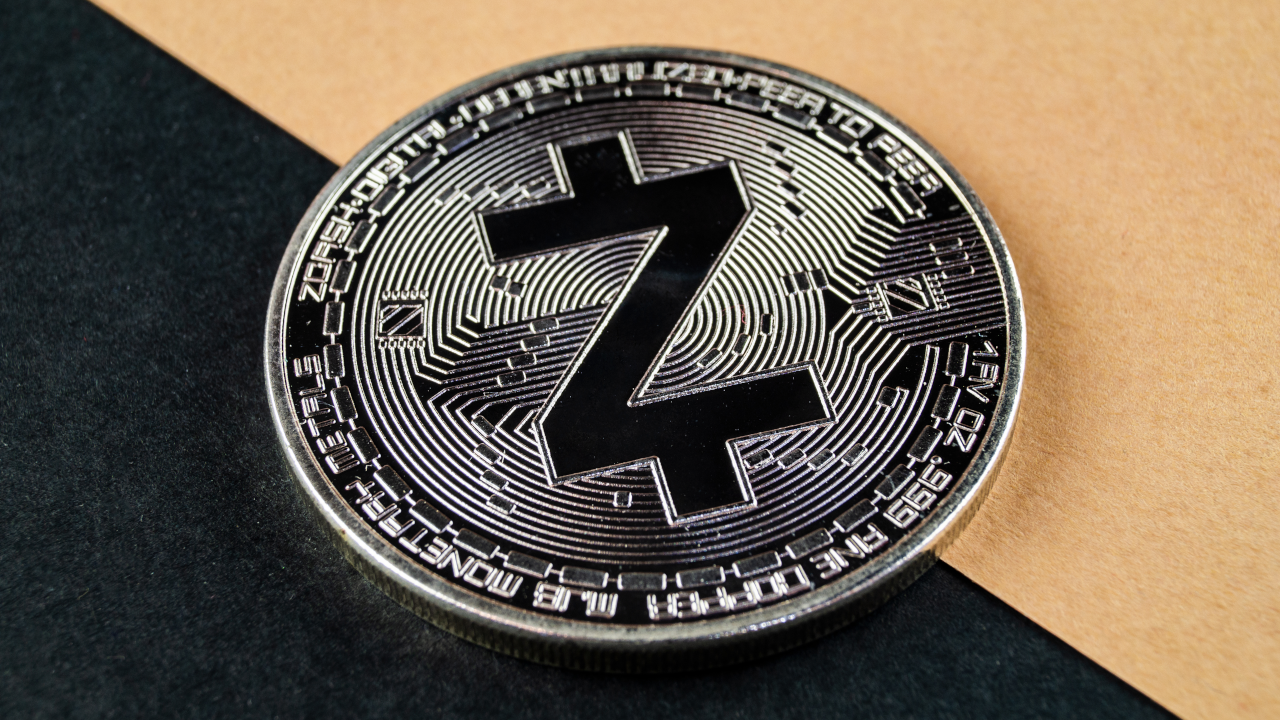
Zcash disclosed a critical vulnerability in its Orchard shielded pool that enabled undetectable counterfeiting of ZEC tokens, triggering a sharp 38% price crash. The flaw allowed attackers to create new ZEC without detection, undermining the protocol's core security model and its value proposition as a privacy-focused cryptocurrency.
The vulnerability operated within Orchard, Zcash's privacy layer that shields transaction data from the public blockchain. Unlike transparent transactions recorded on-chain, Orchard transactions obscure sender, receiver, and amount. The counterfeiting bug exploited this opacity, letting malicious actors mint new tokens without triggering observable on-chain signals that network validators could catch. This represents an existential threat to any blockchain, as undetectable inflation destroys token scarcity and confidence in the asset.
Zcash developers patched the vulnerability and released a mandatory upgrade. The team worked with security researchers to identify and remediate the flaw before widespread exploitation occurred. However, disclosure of such a severe weakness rattled markets and reignited regulatory scrutiny of privacy coins. The 38% ZEC crash reflects investor concern that privacy mechanisms, while valuable for legitimate users, create systemic risks when security flaws emerge. Regulators across jurisdictions already view privacy coins with suspicion due to money laundering concerns. A counterfeiting vulnerability compounds those worries.
The Orchard incident highlights a persistent tension in cryptocurrency design. Privacy features require complex cryptography that increases attack surface and audit complexity. Zcash's development team has maintained strong security practices historically, but the bug slipped through. Other privacy-centric protocols face similar risks. Monero, another leading privacy coin, has endured its own security challenges over the years.
Market reaction extended beyond ZEC itself. Privacy coins broadly faced selling pressure as investors reassessed risk exposure to the category. The incident also fueled debate within the crypto community about whether privacy should be mandatory at the protocol level or opt-in. Transparent blockchains with optional privacy layers offer easier auditability but weaker privacy guarantees. Fully private protocols offer better anonymity but introduce these counterfeiting vectors.
Zcash's response, including transparent disclosure and rapid patching, demonstrated responsible disclosure practices. However, the damage to investor confidence proved immediate and severe. ZEC holders faced a brutal test of whether privacy benefits justify the additional risks that cryptographic complexity introduces. The crash underscores that for privacy coins, trust in the development team and security practices is paramount. One major flaw can evaporate a significant portion of market cap within hours.