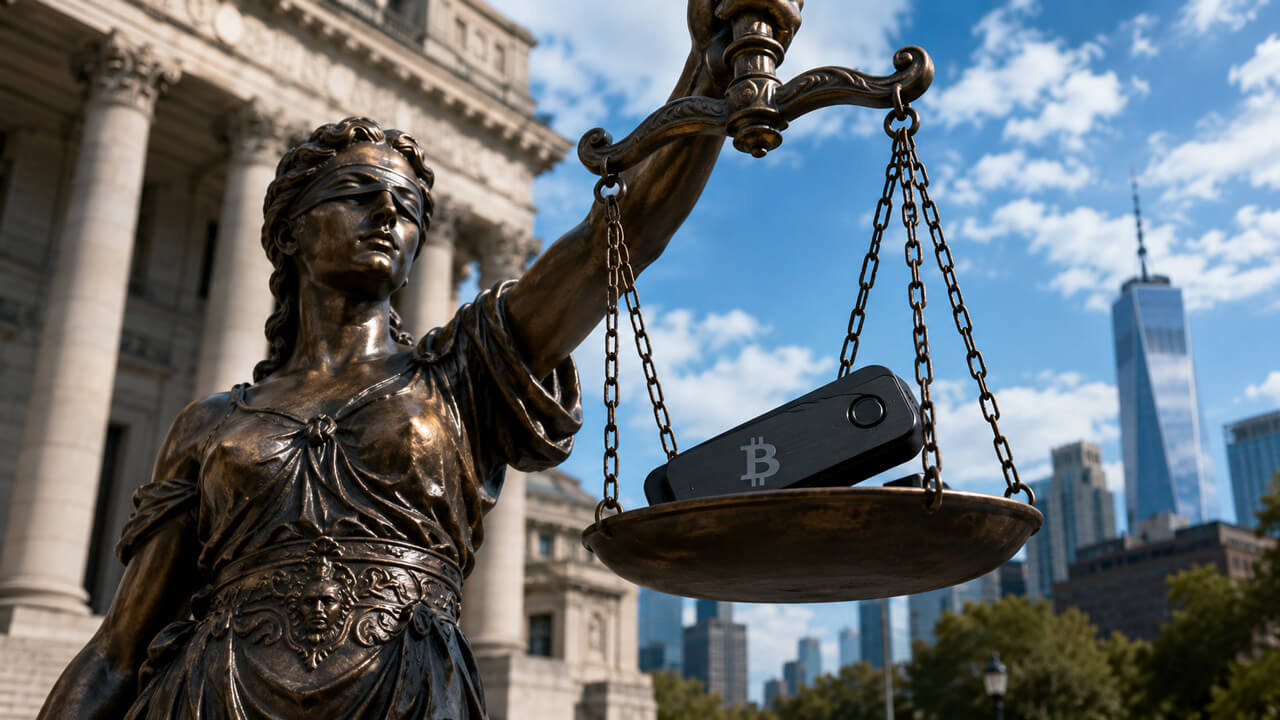
A dormant Bitcoin wallet movement has created legal chaos in the Noah Doe case, a lawsuit seeking control of approximately $239 billion in BTC held in inactive addresses.
On June 2, someone moved funds from an old Bitcoin address at the center of the dispute. Days later, on June 5, a court issued a stay halting proceedings. The timing collision has transformed the case into a fundamental clash between legal title and actual private-key control.
The Noah Doe lawsuit attempts to claim ownership of ancient Bitcoin wallets that have remained untouched for years. The claimant argues legal right to these dormant assets. However, the June 2 transaction proved that someone retained the ability to move the Bitcoin, suggesting possession of the private keys necessary to transfer the funds.
This discrepancy cuts to the heart of Bitcoin ownership disputes. Legal title, as courts understand it, differs sharply from cryptographic control. A person can hold a court judgment claiming ownership of a wallet's contents. But if another party controls the private keys, they control the actual Bitcoin. The June spend demonstrated that the address in question remained active and accessible to someone other than the Noah Doe claimant.
The court stay temporarily suspends all litigation activity. This pause likely reflects judicial recognition that the case involves unprecedented questions about blockchain asset ownership. Precedent for resolving disputes over cryptocurrency held in dormant addresses barely exists in traditional legal frameworks.
The $239 billion valuation assumes current BTC prices. That staggering sum explains the intensity of the legal battle. At present BTC trading levels, a single large wallet containing millions of Bitcoin represents life-changing wealth. The dormant nature of these addresses makes them particularly attractive targets for claims, since no apparent owner actively manages or defends them.
The move on June 2 complicates the Noah Doe argument considerably. If the claimant possessed true title to the wallet, they should theoretically have been able to prevent the transaction. The fact that someone else executed the spend raises questions about whether the claimant's legal claim holds water when confronted with the blockchain's immutable record.
This case will likely influence future litigation involving abandoned or lost cryptocurrency. Courts must decide whether traditional property law concepts apply to digital assets where possession and control operate through cryptography rather than physical custody or deed registration. The stay suggests judges recognize they need time to unravel these novel property questions before proceeding further.