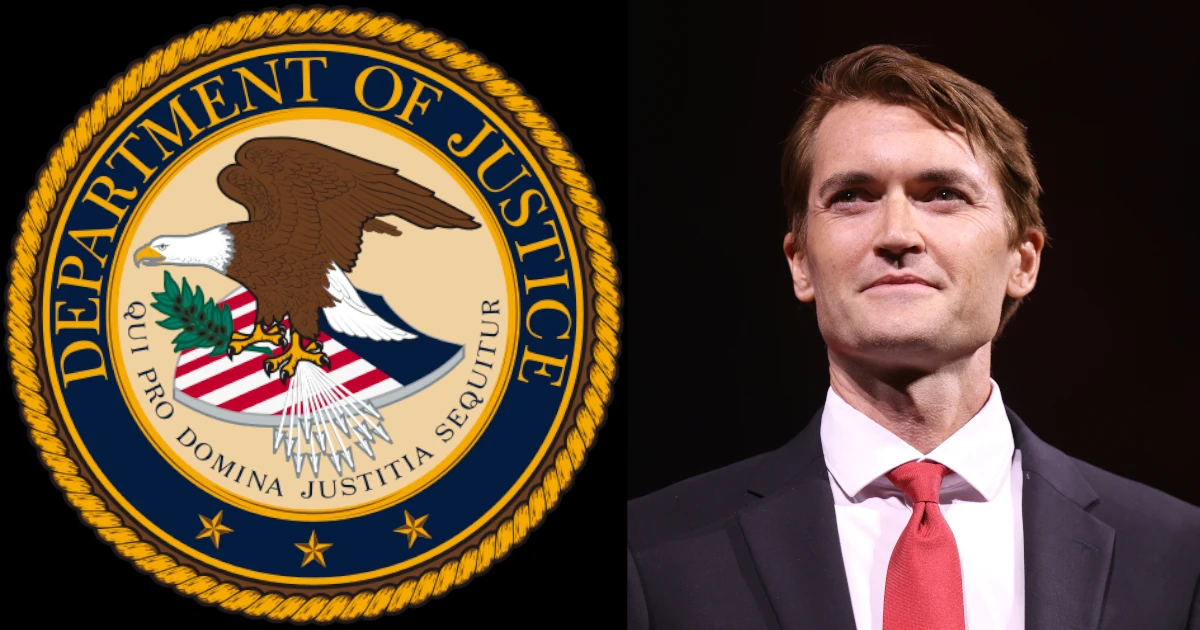
Hedge fund manager Dan Loeb revealed that the Department of Justice threatened to prosecute President Trump if he commuted Ross Ulbricht's sentence during the final hours of his first term. The DOJ's pressure delayed Ulbricht's release, forcing Trump to wait until January 2025 to issue a full pardon instead of the commutation initially planned.
Ulbricht, founder of the Silk Road darknet marketplace, faced a life sentence for operating the platform that facilitated illegal drug sales and other criminal transactions between 2011 and 2013. The Silk Road shutdown in 2013 marked a landmark moment in law enforcement's campaign against darknet markets, with Ulbricht's arrest seen as a crucial victory for federal agencies.
The commutation delay carries weight in crypto circles. Ulbricht became a polarizing figure in Bitcoin communities, with supporters viewing him as an early ideologue persecuted for libertarian principles around financial privacy. Others, particularly victims of Silk Road transactions, saw him as complicit in facilitating serious crimes.
Trump's January 2025 pardon reversed Ulbricht's life sentence entirely rather than reducing it. The decision reflected Trump's stated position on commutations and pardons for figures he deemed politically motivated prosecutions. Loeb's disclosure shows internal tension between the executive and DOJ over the matter.
The timing reveals the DOJ's willingness to threaten formal prosecution during Trump's first transition period. Federal prosecutors signaled they would pursue charges against a sitting president over the commutation decision, a rare moment of institutional pushback. This dynamic underscores broader debates around presidential power, justice system independence, and the politicization of law enforcement.
The incident resonates beyond Ulbricht's personal case. Bitcoin advocates argue his prosecution represented government overreach against financial privacy advocates. Critics counter that his operation enabled genuine harm. The pardon reignited these tensions just as Trump entered his second term with crypto-friendly rhetoric.
Loeb's hedge fund Third Point maintains significant positions in technology and financial sectors. His public disclosure suggests efforts to document DOJ actions during the transition period, potentially establishing a record of federal pressure on executive decisions. The move aligns with broader criticism from Trump allies about perceived institutional resistance to executive authority.
The Ulbricht pardon marks one of the most contentious early actions of Trump's second term, affecting both darknet policy conversations and debates around presidential clemency power.