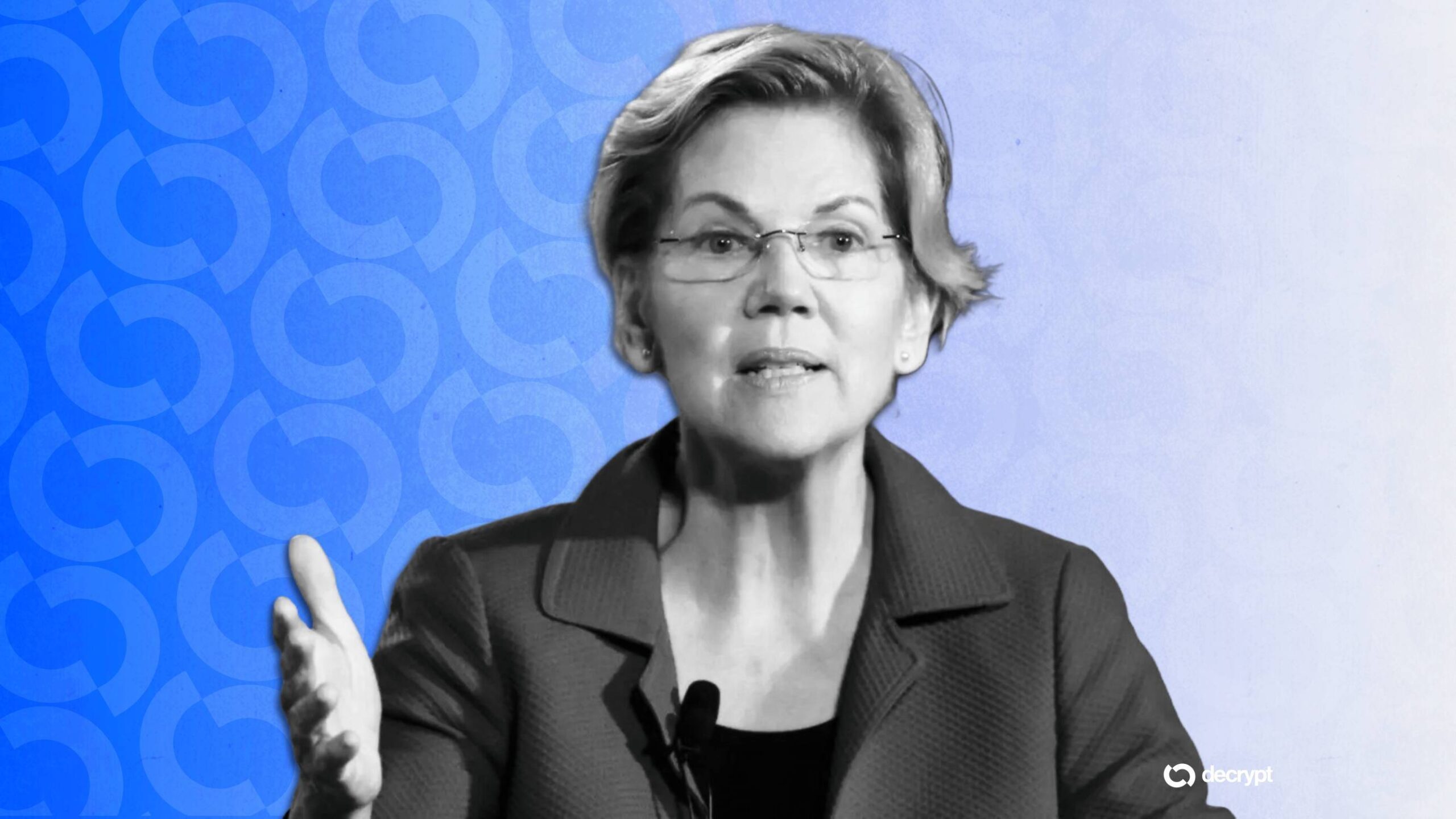
Senator Elizabeth Warren pressed the Commodity Futures Trading Commission over its handling of cryptocurrency and prediction market regulation, citing staffing reductions and shifts in enforcement priorities under the Trump administration.
Warren sent a formal letter to CFTC Chair Christy Goldmann Heum requesting details on how workforce cuts have affected the agency's ability to police digital asset markets and emerging prediction market platforms. The senator specifically questioned whether reduced headcount compromises enforcement capacity against fraud and manipulation in crypto trading.
The CFTC faces pressure from multiple directions. Prediction markets have exploded in popularity and regulatory gray area following the 2024 election cycle. Polymarket and similar platforms processed billions in trading volume during key political events, yet operate in legal ambiguity. Simultaneously, the broader crypto market has scaled rapidly. Bitcoin trades near all-time highs while altcoins proliferate across multiple blockchains. Traditional traders now demand derivatives access to these assets, pushing CFTC jurisdiction questions to the forefront.
Warren's concerns align with broader Democratic anxieties about regulatory capture under the new administration. The senator has consistently advocated for stricter crypto oversight and consumer protections. Her letter reflects frustration that the CFTC may be deprioritizing enforcement when digital asset volumes and systemic risk have expanded.
The CFTC already oversees Bitcoin and Ethereum futures on regulated exchanges like CME. But the agency has struggled to establish clear authority over spot crypto markets, decentralized exchanges, and prediction market protocols. Staffing limitations would compound these jurisdictional gaps. Without sufficient investigators and legal counsel, the CFTC cannot effectively monitor for wash trading, price manipulation, or other misconduct plaguing crypto markets.
Prediction markets present a distinct challenge. These platforms enable wagering on political outcomes, sports results, and other events. Polymarket dominance in U.S. election prediction trading raised questions about whether the platform should operate under CFTC oversight or whether it qualifies as illegal gambling under state law. The ambiguity persists partly due to limited regulatory resources.
Warren's letter demands answers within a specific timeframe. She requested the CFTC document exact staffing levels, budget allocations, and any changes to enforcement priorities. The move signals Democratic intent to scrutinize Trump administration regulatory choices, particularly where they reduce oversight of emerging financial infrastructure.
The CFTC's response will reveal whether the agency prioritizes crypto market integrity or allows enforcement to languish. For crypto traders and platforms operating in regulated space, the outcome matters enormously.