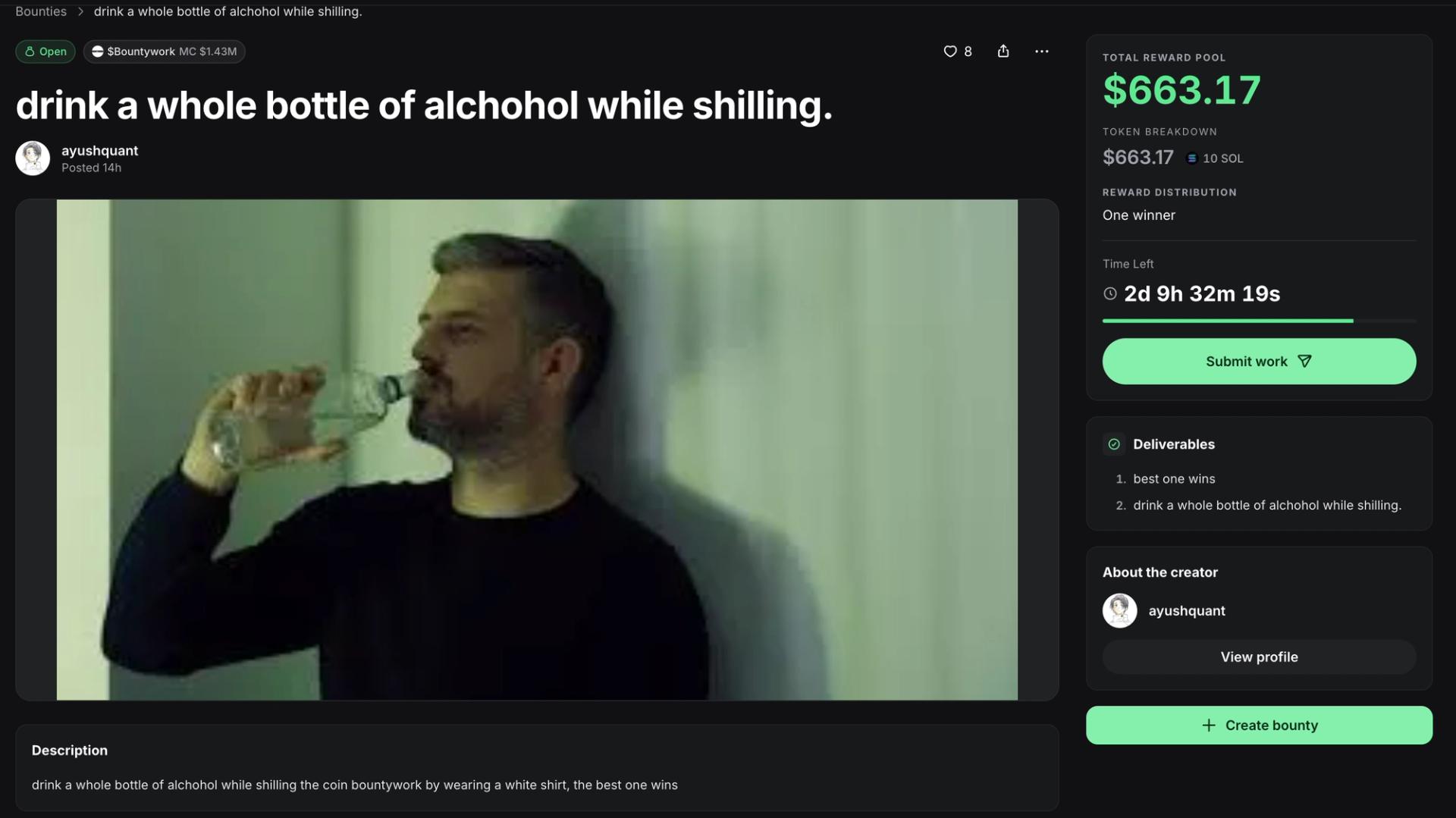
Pump.fun has introduced a new feature that incentivizes users to perform increasingly extreme and potentially exploitative acts for token rewards, sparking serious concerns about the platform's direction and the broader memecoin ecosystem.
The feature pays users directly for creating and sharing video content tied to specific challenges. Recent examples show participants being compensated for shaving their heads, consuming alcohol in rapid succession, and filming interactions with homeless individuals. These activities raise red flags around consent, dignity, and the platform's role in enabling harmful behavior.
Pump.fun operates as a memecoin launchpad on Solana, allowing users to create and trade low-cap tokens with minimal friction. The platform has exploded in popularity, processing billions in daily volume as retail traders chase outsized returns on speculative assets. The new rewards mechanism appears designed to generate organic marketing content while keeping users engaged on the platform.
However, the implementation reveals a troubling dynamic. By directly monetizing increasingly shocking behavior, Pump.fun has created a race-to-the-bottom incentive structure. Users compete for higher payouts by escalating the extremity of their content. The platform profits from engagement metrics while distancing itself from direct responsibility for the outcomes.
The homeless interview angle carries particular ethical weight. Filming vulnerable populations for entertainment without proper consent frameworks opens Pump.fun to accusations of exploiting marginalized communities for profit. The alcohol challenges raise health and safety concerns, especially if participants are underage.
This moment exposes a broader pattern in crypto's memecoin space. Platforms optimize for growth and transaction volume while deferring questions about externalities. Pump.fun's core value proposition relies on accessibility and low barriers to entry. Adding rewards for extreme content extends that logic to social behavior itself.
The situation also highlights the difference between viral marketing that generates authentic engagement versus manufactured spectacle funded by token emissions. When financial incentives attach to increasingly degrading content, the line between entertainment and exploitation collapses.
Regulatory scrutiny will likely follow. Platforms that directly fund potentially harmful user behavior face legal exposure around duty of care, especially if injuries occur or vulnerable populations are exploited. Pump.fun's structure as a token-based platform doesn't shield it from these obligations.
The memecoin market continues expanding despite repeated cycles of collapse and token abandonment. Pump.fun's new feature suggests the industry is shifting toward newer engagement tactics as competition intensifies for user attention and capital. Whether this path leads to sustainable platforms or eventual regulatory backlash remains unresolved.