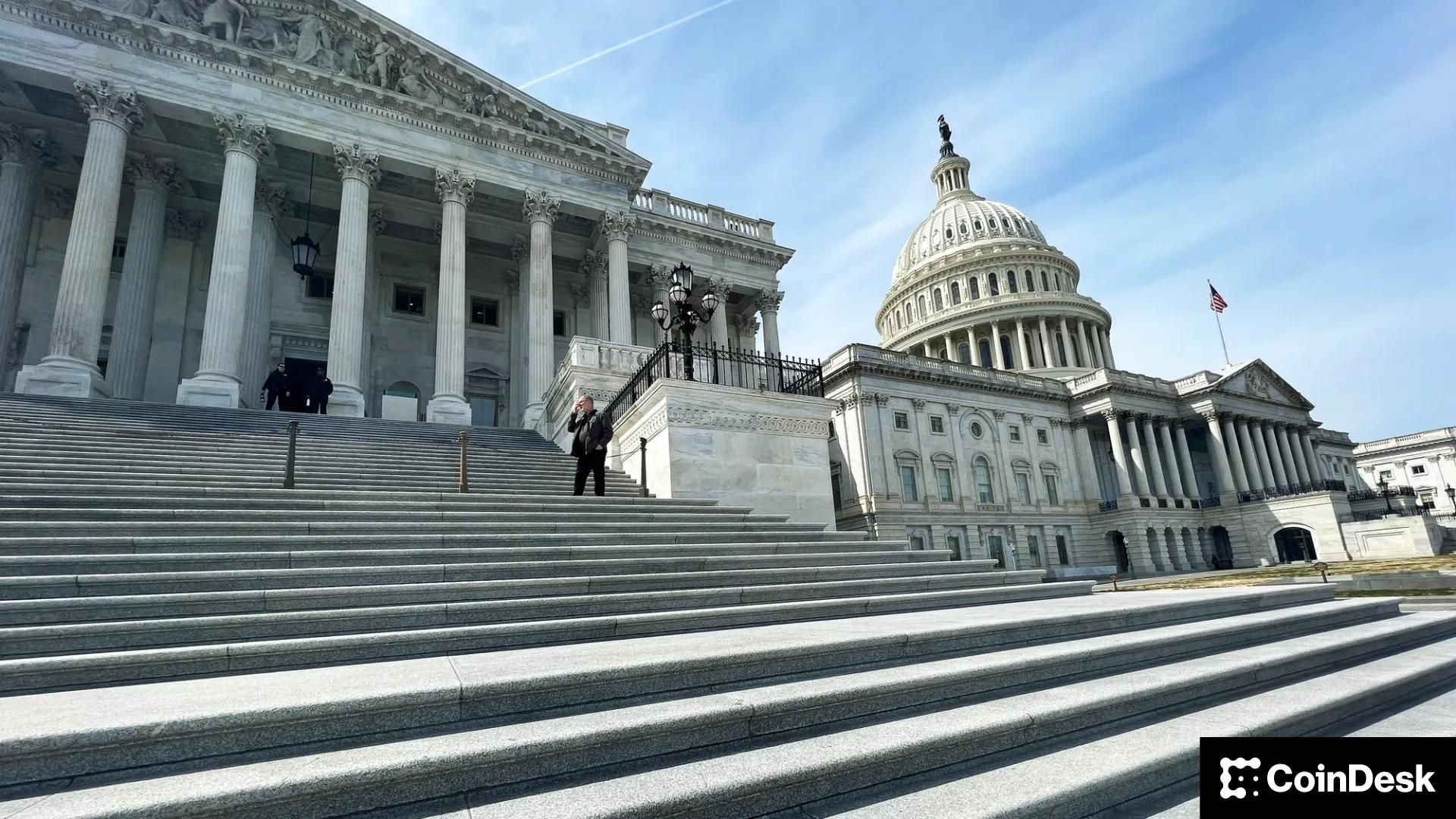
House lawmakers are navigating competing priorities as they work through seven tax bills that aim to clarify crypto treatment under U.S. tax code. The bipartisan effort faces friction from both sides of the aisle, with Republicans and Democrats uncomfortable with certain provisions.
The bills under consideration address fundamental questions about how the IRS should treat digital assets. Key sticking points include whether crypto transactions below certain thresholds require reporting, how staking rewards and mining income get classified, and whether hardware wallet transfers trigger taxable events. Democrats push for stricter reporting requirements to close perceived tax avoidance loopholes. Republicans worry that over-reporting rules will burden retail investors and small businesses with excessive compliance costs.
One proposal would require brokers to track and report customer transactions on Form 1099-DA, a new reporting document designed specifically for digital assets. The provision faces pushback from crypto exchanges and wallet providers who argue the infrastructure costs are prohibitive. Another bill seeks to clarify that moving crypto between personal wallets does not constitute a taxable disposal event, a position backed by industry advocates but viewed skeptically by revenue hawks.
The staking rewards question divides the panel along practical lines. Current IRS guidance treats staked tokens as ordinary income when received, creating a tax liability even if the asset depreciates. Some lawmakers want to defer taxation until the asset sells, aligning crypto treatment with stock dividend treatment. Treasury Department officials have expressed concerns that this approach could create valuation challenges and audit nightmares.
Mining income classification also remains unresolved. Lawmakers debate whether miners should report revenue at fair market value on receipt or at cost basis. Large mining operations prefer cost-basis reporting to reduce immediate tax burdens, while smaller hobby miners support fair-market-value treatment to simplify calculations.
The panel's timeline remains uncertain. Staff members indicate the bills could move to markup within weeks, but disagreements on implementation details could extend negotiations. House Ways and Means Committee leadership wants consensus before advancing any proposal to full committee consideration.
Industry groups including the Blockchain Association and Coin Center have submitted detailed feedback on compliance burdens and economic impacts. Their input appears to have influenced Republican positions, though Democratic members remain focused on revenue implications and IRS enforcement capacity.
The outcome will shape how millions of U.S. crypto holders report gains and losses for years to come, making these technical details consequential beyond the halls of Congress.