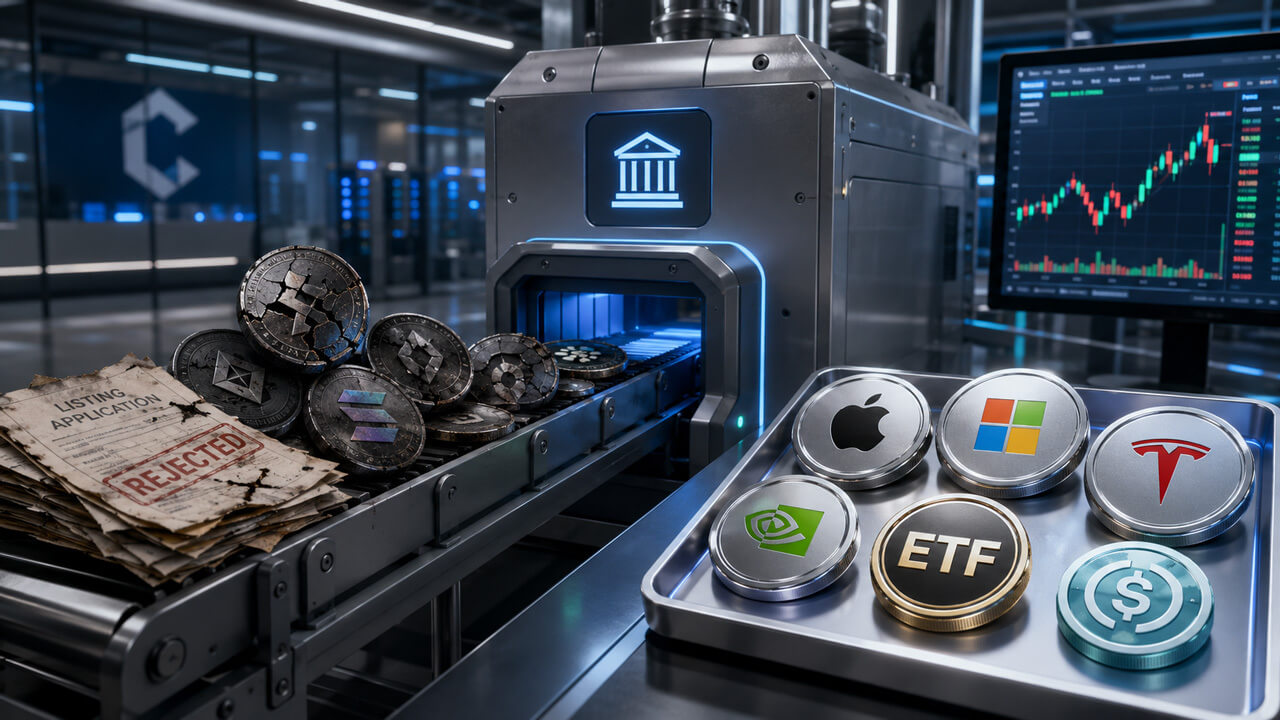
Delphi Consulting's analysis of 652 token listings across major exchanges in 2025 reveals a brutal reality for retail investors chasing new launches. Buying every token listed on Binance, Bybit, Coinbase, Gate.io, and Kraken from January onward would have returned just 50 cents per dollar invested. The numbers tell a grim story. Only 12% of tokens posted gains. More than half, 52%, collapsed over 80%. The median return stood deeply underwater.
This data underscores a structural problem in crypto markets. New token listings, once pitched as the industry's killer app for retail adoption, have become a graveyard for unsophisticated investors. The promise was democratized access to early-stage projects. The reality is systematic value destruction across the broadest measure of retail participation.
The timing matters. January 2025 onward captures a market environment with billions in spot Bitcoin and Ethereum ETF inflows, renewed institutional interest, and regulatory clarity. Yet retail entry points through new tokens remain a losing game. The survival rate barely exceeds a coin flip. Winners emerge, but they cluster among established names or projects with genuine utility and community. Everything else gets dumped.
Exchange listing mechanisms themselves carry embedded incentives that disadvantage retail. Projects often trade on secondary markets before official listing, allowing insiders and market makers to take profits on launch day. Exchanges generate fees regardless of token performance. There's no mechanism penalizing platforms for listing low-quality assets. Retail bears all downside.
The broader implication stings harder. Crypto spent years marketing itself as an alternative to traditional finance's gatekeeping. New token launches embodied that pitch. Instead, the mechanism replicated traditional finance's worst practice. Retail gets the tail end of distribution. Insiders exit first. Exchanges extract fees at every stage.
Delphi's analysis suggests the industry's killer app isn't launching new tokens. It's building infrastructure around established assets. Bitcoin and Ethereum ETFs attracted institutional capital by removing counterparty risk. Layer 2 solutions and stablecoins drive transaction volume by solving real problems. Stock trading infrastructure, if crypto builds it, would follow the same pattern. Retail wins when buying proven assets or transacting on efficient rails, not when chasing listings.
The 12% win rate doesn't reflect token quality improving. It reflects retail finally learning. Savvy investors skip launches entirely. They accumulate winners that have already proven staying power. The industry's killer app turns out to be boring infrastructure, not shiny new tokens.