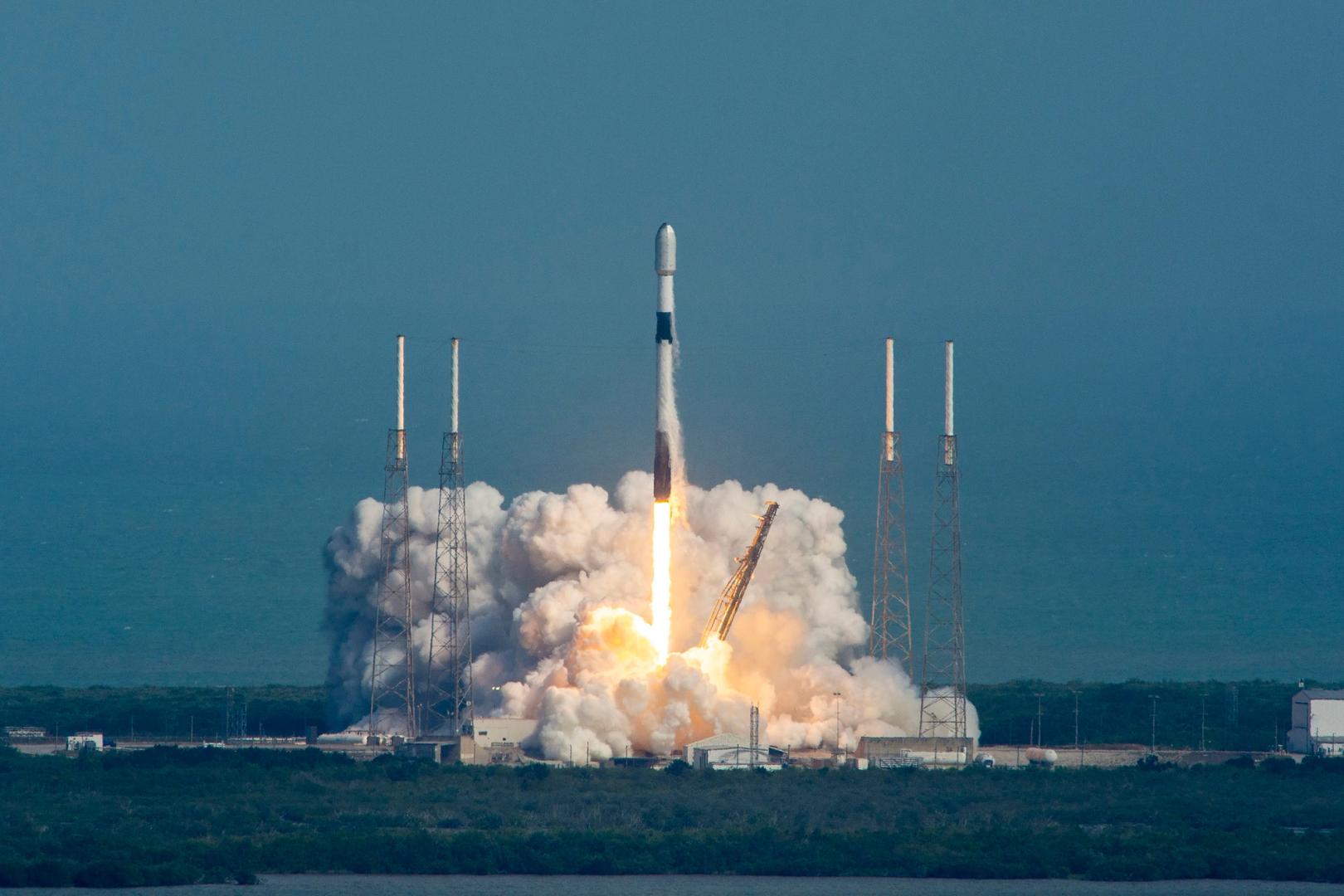
SpaceX equity enters blockchain trading on the same day the company lists on Nasdaq, with Solana serving as the settlement layer for tokenized shares. Two firms are enabling this dual listing structure, allowing eligible shareholders to convert traditional brokerage holdings into SPX tokens on-chain while maintaining the ability to convert back into standard equity positions.
The tokenization approach bridges centralized brokerage infrastructure with decentralized blockchain settlement. Solana processes the conversion and acts as the custody mechanism for token transfers between parties. Shareholders retain optionality between holding shares in traditional accounts or as blockchain-native tokens, depending on their trading preferences and regulatory status.
This marks a shift in how large-cap equity enters crypto markets. Rather than synthetic derivatives or prediction markets tracking SpaceX valuation, these are actual tokenized share equivalents. The structure gives Solana exposure to institutional equity flows while testing whether high-value corporate stock can function effectively on blockchain infrastructure without intermediaries.
The firms coordinating the listing have built compliance infrastructure to ensure conversions comply with securities regulations. Conversion mechanics remain restricted to eligible parties. The Nasdaq listing provides price discovery and regulatory oversight through traditional markets, while the Solana version enables 24/7 trading and atomic settlement outside market hours.
SpaceX has not traditionally allowed public trading prior to this event. Valuation expectations place the company north of $180 billion based on recent private market rounds. The dual listing creates arbitrage opportunities between on-chain and traditional market pricing, though regulatory restrictions on token holders and conversion fees likely dampen spread width.
The tokenization trend accelerates adoption of blockchain infrastructure for assets beyond cryptocurrencies. JPMorgan, BNY Mellon, and other institutions have explored similar mechanics for bonds and other securities. Solana's transaction throughput and low fees position it competitively against Ethereum for this use case, though regulatory clarity around tokenized securities remains unsettled.
Success of this listing depends on trading volumes between the two venues and whether the conversion mechanism attracts sufficient demand. Limitations on who can hold SPX tokens and conversion restrictions between formats may prevent the kind of arbitrage activity that could validate the on-chain market. The experiment nonetheless signals corporate america's growing acceptance of blockchain settlement for equity instruments.