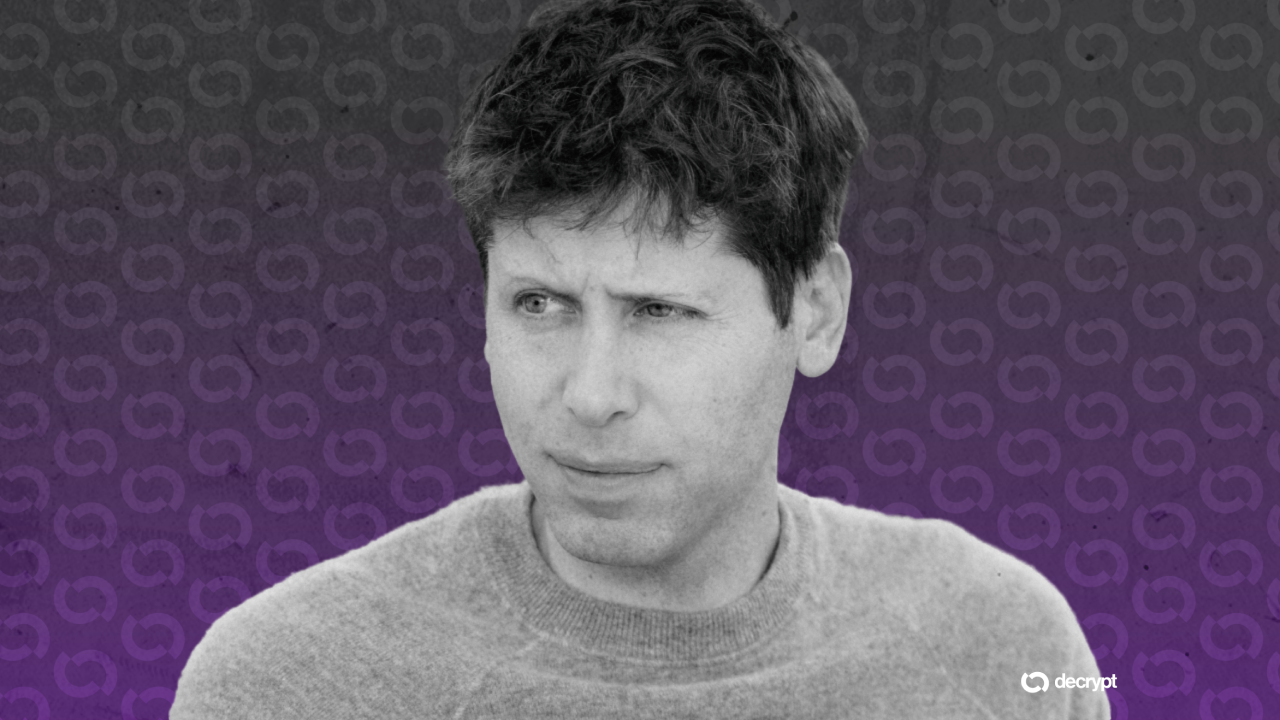
Sam Altman's strategy to undercut Anthropic through aggressive pricing on OpenAI's API tokens mirrors a competitive pressure DeepSeek already created months earlier. DeepSeek released R1, a reasoning model matching or exceeding GPT-4o and Claude 3.5 Sonnet performance, at a fraction of the cost. The Chinese startup's approach forced the entire AI market to reckon with efficiency versus expense.
OpenAI now pursues token price reductions as a defensive move. Lowering per-token costs on GPT-4o and other models directly targets Anthropic's Claude family, which commands premium pricing for enterprise customers. But this tactic echoes DeepSeek's core thesis: expensive AI isn't necessary when open-source and cost-optimized alternatives deliver comparable results.
The timing matters. DeepSeek's R1 shipped at roughly one-tenth the inference cost of premium closed-source models. This shattered assumptions about pricing power in the LLM space. Venture capital and corporate customers suddenly had viable alternatives, breaking OpenAI's and Anthropic's ability to maintain margins through scarcity or perceived superiority alone.
Anthropic responded by emphasizing safety, reliability, and enterprise-grade infrastructure. But OpenAI's pivot to price warfare suggests that narrative no longer holds against DeepSeek's raw efficiency argument. If OpenAI cuts tokens deeply enough, it signals that the previous pricing was extractive rather than reflective of actual computational cost.
For developers and enterprises, this creates immediate optionality. DeepSeek's open weights and API pricing ($0.14 per million input tokens on R1) set a floor. OpenAI's rumored cuts would need to undercut that substantially to regain pricing advantage. Anthropic lacks OpenAI's scale and willingness to absorb margin compression, putting it in the weakest position.
The broader lesson DeepSeek proved remains intact. Model performance has decoupled from price. Efficiency in training and inference architecture drives cost, not brand premium. OpenAI's price cuts acknowledge this reality but don't refute it. They simply move the competition from pricing power to execution speed and API reliability.
DeepSeek forced the market to price AI correctly. OpenAI and Anthropic now operate in that new reality, bidding down token costs to remain competitive with a model that was developed outside the Silicon Valley establishment and released without the typical commercialization roadmap. The price war Altman pursues validates DeepSeek's core claim: the AI market was overpriced, and competition fixes that fast.