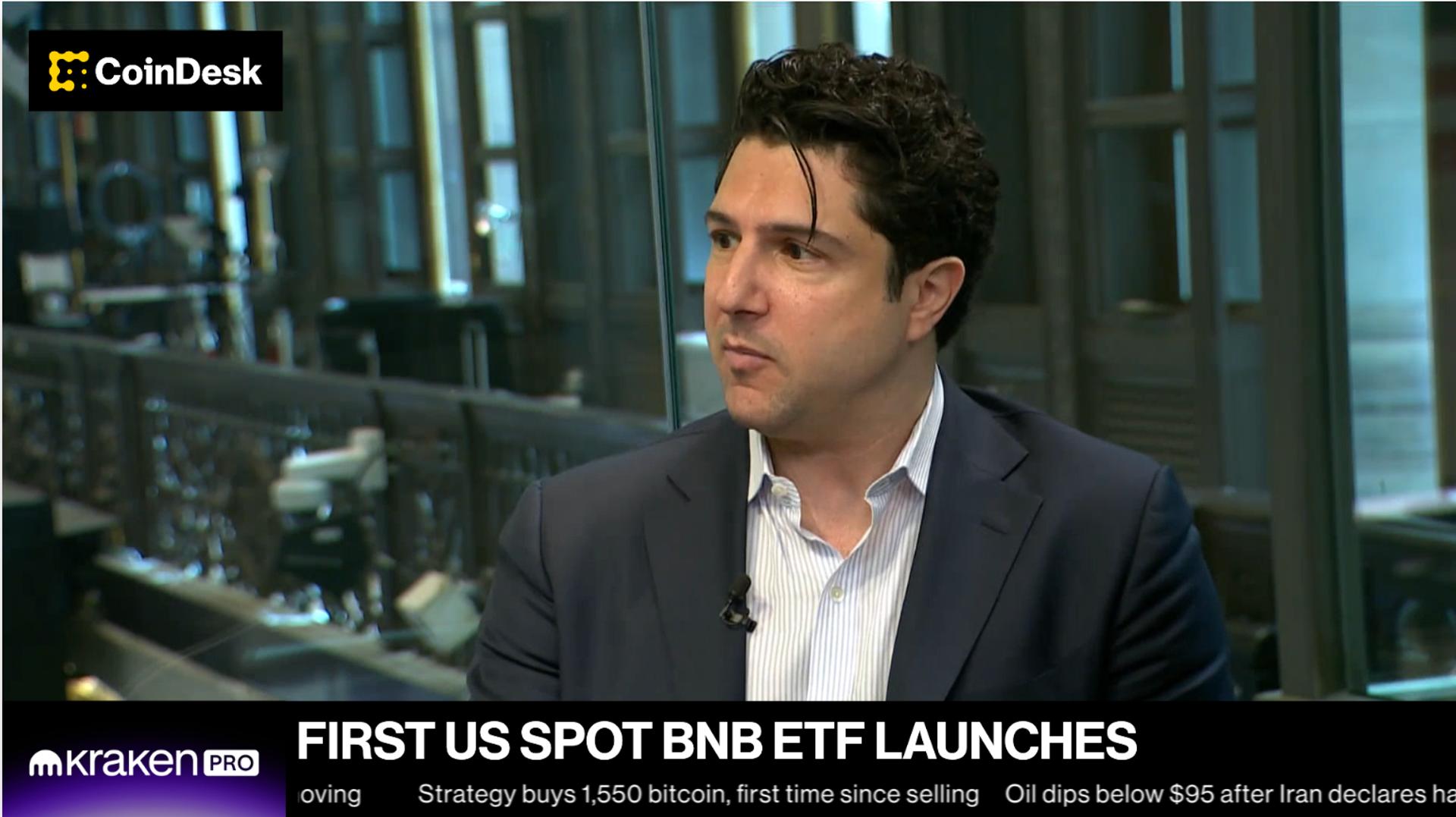
VanEck launched a spot BNB ETF, betting that Binance Coin's established on-chain activity and revenue streams position it above competitors in a saturated crypto ETF landscape. The asset manager argues BNB generates measurable utility through real transaction volume on the Binance Smart Chain ecosystem, distinguishing it from blockchain projects that remain primarily concept-driven.
BNB's thesis centers on demonstrated adoption. The token powers gas fees, validator rewards, and ecosystem incentives across BSC, which processes billions in monthly transaction volume. Unlike many Layer 1 and Layer 2 networks still building toward mainstream use cases, BNB already captures economic value from an operational network processing actual user transactions. VanEck positions this revenue model as fundamental to long-term sustainability.
The ETF debut reflects broader institutional demand for crypto exposure backed by tangible metrics rather than narrative. Bitcoin and Ethereum ETFs dominated early approval rounds, but the market now fragments across dozens of token offerings. VanEck's move into BNB signals conviction that investors increasingly distinguish between projects with revenue-generating mechanics and those dependent on future adoption promises.
Binance Smart Chain maintains the second-largest decentralized finance ecosystem by total value locked, with active usage across swaps, lending protocols, and yield farming. BNB's burn mechanism, where a portion of network fees gets permanently removed, creates deflationary pressure that VanEck highlights as a structural advantage. This contrasts with tokens lacking direct fee capture or tokenomic incentives.
The BNB ETF enters a competitive crypto product market. Solana, XRP, and other alternative Layer 1s have seen institutional products launched, but VanEck's emphasis on "real-world usage" over speculative appeal targets a specific investor segment. Crypto asset managers face pressure to differentiate products as the industry matures and retail interest plateaus.
BNB price action reflects institutional positioning. The token recovered to levels above $600 throughout 2024, though volatility remains tied to broader market sentiment and regulatory clarity around Binance itself. The exchange faces ongoing compliance scrutiny across multiple jurisdictions, creating execution risk for BNB's long-term narrative.
VanEck's strategy assumes that on-chain revenue and transaction volume provide durable investment foundations. If institutional capital increasingly filters for tokens with measurable utility and fee economics, BNB's established infrastructure positions it to capture flows moving away from unproven projects. The ETF approval signals that asset managers now differentiate based on fundamental network metrics rather than hype cycles alone.