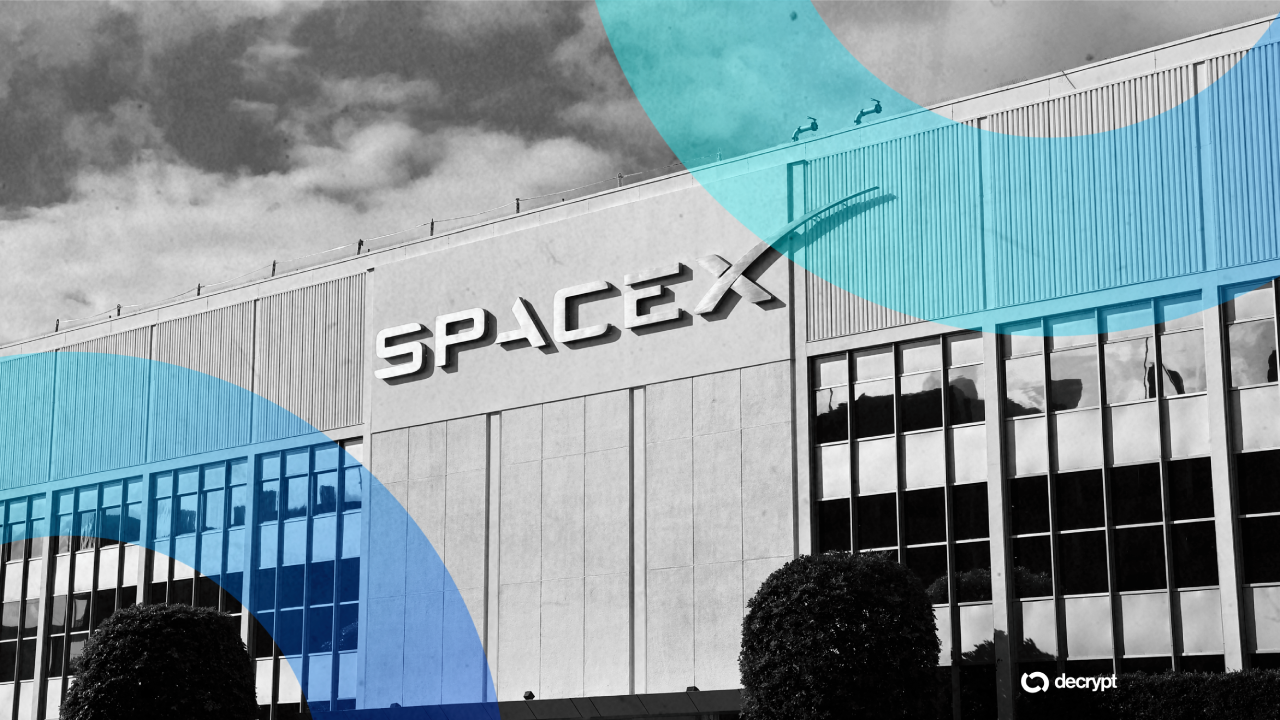
Crypto platforms are emerging as unconventional channels for retail investors to gain exposure to SpaceX ahead of its anticipated initial public offering, which could value the company at $1.75 trillion. These platforms leverage blockchain infrastructure to circumvent traditional Wall Street intermediaries and democratize access to pre-IPO equity.
Several cryptocurrency exchanges and decentralized finance protocols have begun offering SpaceX-related investment products, enabling smaller investors to participate in a deal typically reserved for institutional players and accredited investors. This shift reflects a broader trend of crypto rails enabling financial inclusion by reducing friction and eliminating gatekeeping mechanisms.
The anticipated SpaceX IPO represents one of the largest technology offerings in history. Elon Musk's space company has commanded valuations approaching $200 billion in private markets, making the $1.75 trillion figure speculative but within the realm of possibility given comparable tech giants and the strategic importance of space infrastructure. Traditional IPO processes require investors to meet strict net-worth thresholds and work through established brokerages, creating barriers for retail participation.
Crypto platforms sidestep these restrictions by offering tokenized shares, derivatives, or investment products that track SpaceX's value. These instruments operate on blockchain networks, allowing fractional ownership and 24/7 trading without traditional market hours. The approach mirrors how decentralized finance has already democratized access to yield farming, staking, and other financial products previously confined to institutional investors.
However, this development carries regulatory implications. The Securities and Exchange Commission has intensified scrutiny of tokenized securities and unregistered offerings. Crypto platforms offering SpaceX exposure may face legal challenges if they're distributing unregistered securities or operating without proper broker-dealer licensing. The classification of these products remains contested territory between the crypto industry and regulators.
For investors, the appeal is clear. Fractional ownership lowers entry barriers, blockchain rails reduce fees, and decentralized infrastructure operates continuously. Yet risks persist. Counterparty risk, smart contract vulnerabilities, and price volatility in crypto-wrapped securities introduce complexities absent from traditional brokerage accounts.
SpaceX's IPO timeline remains uncertain. Musk has historically delayed public markets, prioritizing operational milestones over shareholder pressures. Nevertheless, the emergence of crypto-native pathways to pre-IPO equity reflects market demand for alternative investment infrastructure and signals crypto's expanding role in democratizing access to traditionally gatekept assets.