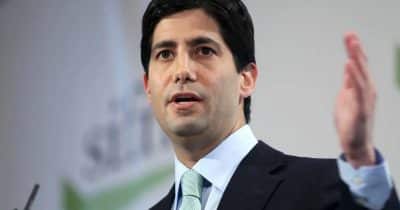
Kevin Warsh assumes the Federal Reserve chairmanship at a pivotal moment for monetary policy, inflation dynamics, and market stability. His early decisions will establish the trajectory for interest rate policy, market expectations, and the Fed's institutional credibility.
Warsh takes over amid persistent inflation concerns and elevated interest rates that ripple across asset classes, including cryptocurrencies. The crypto market has priced in expectations around Fed policy shifts. Bitcoin and equities have rallied on hopes that rate cuts could materialize if inflation moderates further. Warsh's first Federal Open Market Committee meeting will test whether his approach diverges from Jerome Powell's tenure or maintains continuity on monetary tightening.
The new chairman faces competing pressures. Inflation remains above the Fed's 2 percent target in certain categories, creating pressure to maintain restrictive policy. Simultaneously, labor market weakness and recession risks argue for dovish accommodation. Warsh's track record includes hawkish tendencies during his previous Federal Reserve Board tenure under George W. Bush, though his more recent work as a venture capital investor may reflect evolving views on financial innovation and technology.
Markets have established firm expectations around rate cuts by mid-2025. Any signal from Warsh suggesting a more hawkish path could trigger volatility across crypto, equities, and bonds. Conversely, premature dovishness could undermine inflation-fighting credibility built over the past two years of rate hikes.
The crypto industry watches Fed policy intently. Bitcoin's correlation with rate expectations strengthens during periods of elevated uncertainty. Ethereum and other altcoins track broader risk sentiment tied to Fed moves. Stablecoin yields, DeFi lending rates, and tokenized treasury yields all reference Fed policy expectations.
Warsh must also navigate the structural tensions within the Fed itself. The institution's independence from political pressure matters enormously for long-term credibility. His early messaging on rate cuts, quantitative tightening, and the Fed's regulatory approach to digital assets will shape how markets interpret future statements.
The Fed chairman's influence over inflation expectations proves as important as actual policy moves. If Warsh can anchor expectations while maintaining flexibility on rate timing, he preserves optionality for future decisions. Inflation persistence or resurgence would force his hand toward continued tightening, disappointing crypto investors betting on looser conditions.
Warsh's tenure begins with economic data in flux. Manufacturing weakness contrasts with resilient consumer spending. Energy prices remain volatile. These crosscurrents demand careful Fed communication. Early clarity on inflation risks and policy thresholds establishes the framework for his entire term.