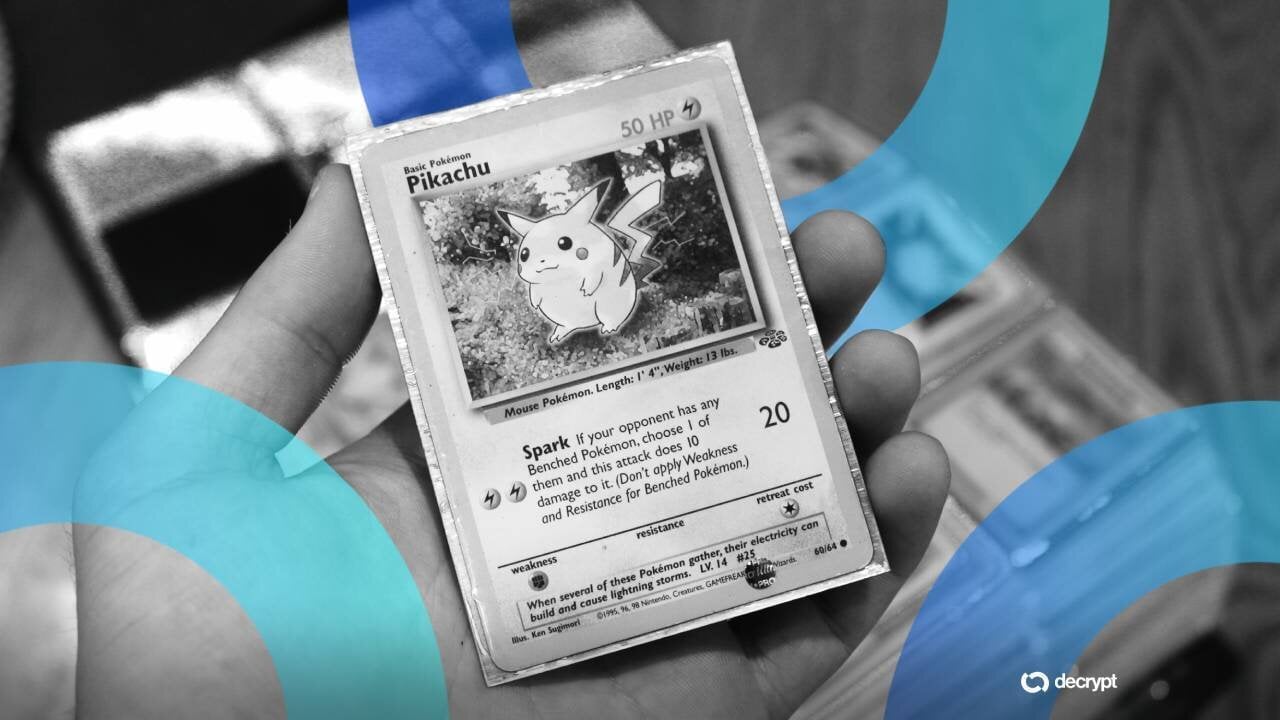
Tokenized Pokémon card platforms have experienced explosive growth over the past twelve months, driven by speculative buying and gacha-style mechanics that blur the line between collectibles and gambling.
The surge reflects broader trends in crypto-native commerce, where digital assets and blockchain infrastructure enable fractional ownership and rapid trading of physical goods. Pokémon cards represent a high-value collectible market, with rare vintage cards commanding prices in the hundreds of thousands. Tokenization allows these assets to be split into smaller units and traded on secondary markets with cryptocurrency, eliminating geographic barriers and traditional custodial friction.
Gacha mechanics on these platforms operate similarly to loot boxes in gaming. Users spend crypto to purchase randomized card packs without knowing the contents beforehand. Rare pulls generate immediate speculative demand, with traders attempting to profit on secondary sales. This creates a self-reinforcing cycle where perceived scarcity drives fresh buying activity. Platform operators argue these are digital equivalents of traditional booster packs sold in physical card shops for decades.
Regulators and consumer advocates have grown skeptical of this characterization. The randomized nature of pack purchases combined with real monetary value and liquid crypto markets creates conditions that resemble gambling, regardless of how platforms frame the activity. Users face house edge dynamics where platform operators retain significant profit margins on pack sales, tilting expected value against players.
The timing matters. Pokémon card markets exploded during the 2021 bull run when crypto valuations soared and retail participation peaked. Secondary market trading fees and platform commissions generate consistent revenue for operators regardless of underlying asset price action. This incentive structure encourages aggressive user acquisition and engagement mechanics.
Price volatility in tokenized card markets exceeds traditional physical card markets. Rarity tiers determine value, but speculative momentum and narrative shifts can cause 50-80% swings within weeks. Newer users often enter near local peaks, timing their buys with social media hype rather than fundamental scarcity metrics.
The regulatory grey zone persists because platforms legally operate in jurisdictions with minimal oversight. Users in stricter markets sometimes access these platforms through VPNs or proxy accounts, though terms of service explicitly prohibit this. Enforcement remains sporadic.
Trading volumes have remained elevated even as broader crypto markets cooled in 2023-2024. This suggests Pokémon tokenization has attracted a dedicated user base beyond casual speculators. However, liquidity conditions vary sharply between rare and common cards, and secondary market depth depends entirely on platform activity levels.