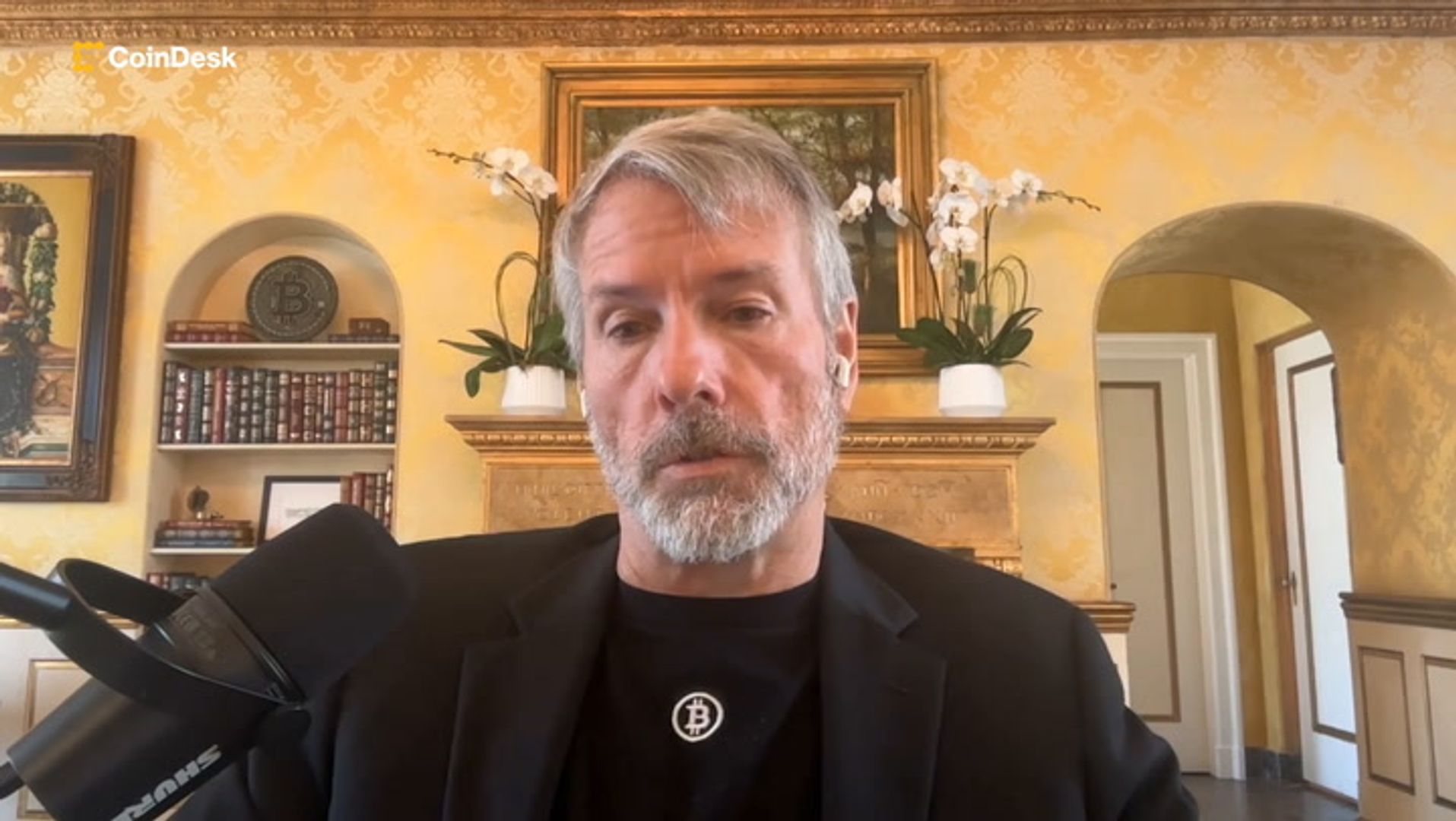
Michael Saylor credited Elon Musk with driving mainstream corporate adoption of bitcoin, noting that one quarter of the "Mag8" largest tech companies now hold BTC on their balance sheets. Saylor made the comment on X following SpaceX's historic IPO announcement, framing Musk's public embrace of bitcoin as a catalyst for institutional adoption.
The Mag8 refers to the eight largest technology companies by market capitalization. Saylor's statement reflects a shift in how mega-cap firms view bitcoin as a treasury asset. MicroStrategy, the firm Saylor runs, has become the largest corporate holder of bitcoin, with holdings exceeding 450,000 BTC accumulated through strategic purchases and the firm's pivot toward being a "bitcoin treasury company" rather than a traditional software vendor.
SpaceX's public listing marks a turning point in tech sector sentiment. The aerospace company joining the bitcoin-holding club adds weight to the narrative that the largest corporations increasingly see digital assets as legitimate portfolio holdings rather than speculative bets. This represents a departure from the skepticism that dominated institutional boardrooms just five years ago.
Saylor's acknowledgment of Musk's influence underscores how individual leaders shape market perception at scale. Musk's public statements supporting bitcoin and Dogecoin have repeatedly moved markets. His companies' treasury decisions carry outsized influence on other CFOs and boards evaluating similar moves. Tesla's 2021 bitcoin purchase of 1.5 billion dollars, while later reduced, opened doors for other manufacturers and tech giants to explore holdings.
The 25 percent adoption rate among Mag8 companies signals momentum toward broader institutional acceptance. However, the number remains below what some bitcoin advocates hoped for given the asset's maturation over the past decade. Regulatory clarity, corporate governance frameworks around crypto holdings, and bitcoin's volatility still create friction for many institutional treasurers.
SpaceX's move also carries geopolitical weight. The firm's expansion into space infrastructure positions bitcoin infrastructure and crypto-friendly policies as competitive advantages for tech leadership. As corporations weigh treasury strategies, balance sheet bitcoin holdings increasingly appear as moves to preserve capital rather than speculate.
Saylor's message frames corporate bitcoin adoption not as a passing trend but as a structural shift driven by visible leadership from figures like Musk. Whether this 25 percent becomes 50 percent or higher may depend on bitcoin's price stability, regulatory developments, and whether more Mag8 firms follow the SpaceX blueprint.