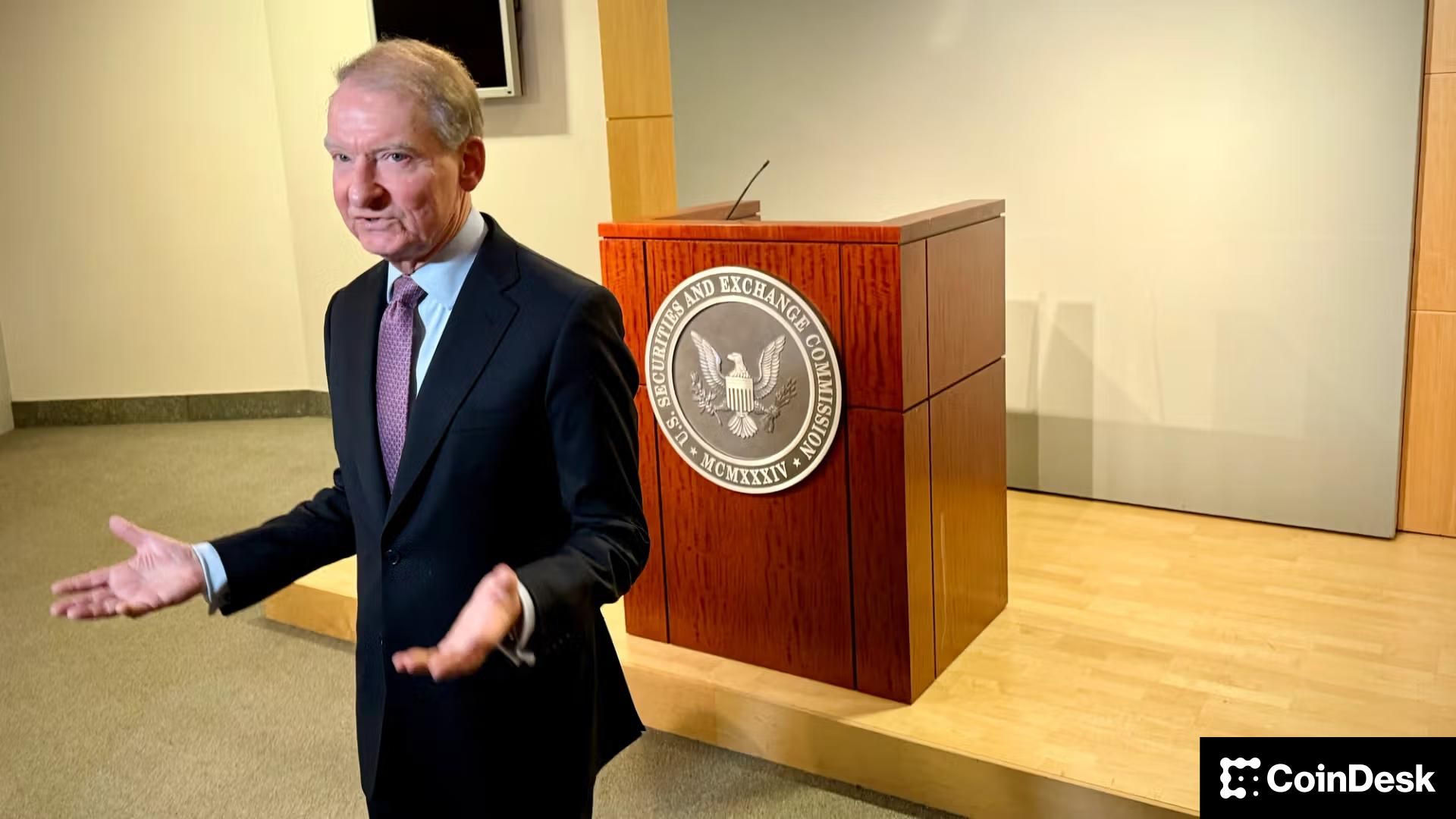
The SEC's strategy to clear a path for tokenization through selective exemptions falls short of the regulatory certainty the industry needs, according to former SEC attorneys. The agency appears poised to grant tokenization projects temporary relief from full securities law compliance, but this carve-out approach creates structural vulnerabilities compared to permanent rulemaking.
The distinction matters because exemptions remain discretionary and revocable. A future SEC administration could withdraw relief granted under current leadership, leaving tokenization platforms exposed. Full rulemaking, by contrast, establishes durable statutory guardrails that survive personnel changes and create enforceable standards across the industry.
Tokenization has emerged as one of crypto's most mainstream-friendly narratives. Real-world asset (RWA) protocols like Ondo Finance, Securitize, and Polymesh have built tokenized Treasury bonds, securities, and other instruments that appeal to institutional investors. The broader sector values these projects because they represent an on-chain bridge to traditional finance, reducing regulatory friction compared to purely speculative crypto assets.
The SEC under Gary Gensler has taken a harder line on crypto generally, but tokenization enjoys bipartisan support on Capitol Hill. Lawmakers recognize that digital securities markets could enhance capital formation and market efficiency. This political backing has created room for the agency to explore accommodations without appearing to abandon investor protection principles.
However, the exemption route carries operational risks. Companies building on tokenization protocols face ongoing uncertainty about whether their SEC relief extends to specific use cases or new products. They cannot confidently invest in infrastructure when the regulatory foundation rests on discretionary authority rather than statutory clarity. This creates a chilling effect on capital deployment.
Former SEC staff point out that even well-intentioned exemptions require annual renewal or monitoring. Tokenization platforms operating under exemptive relief must demonstrate compliance with conditions that may shift as staff priorities change. A full rule, by contrast, provides the predictability needed for large institutional allocations to materialize.
The practical outcome is a patchwork approach. Tokenization initiatives with SEC connections or sufficient resources to navigate exemption applications may proceed, while smaller projects face barriers. This favors incumbents and centralized platforms over more decentralized infrastructure.
Industry advocates continue pushing for Congress to step in with statutory clarity on how traditional securities laws apply to digital assets. Until Congress acts, the SEC's exemption strategy offers tokenization breathing room but not the lasting resilience that full rulemaking would provide.