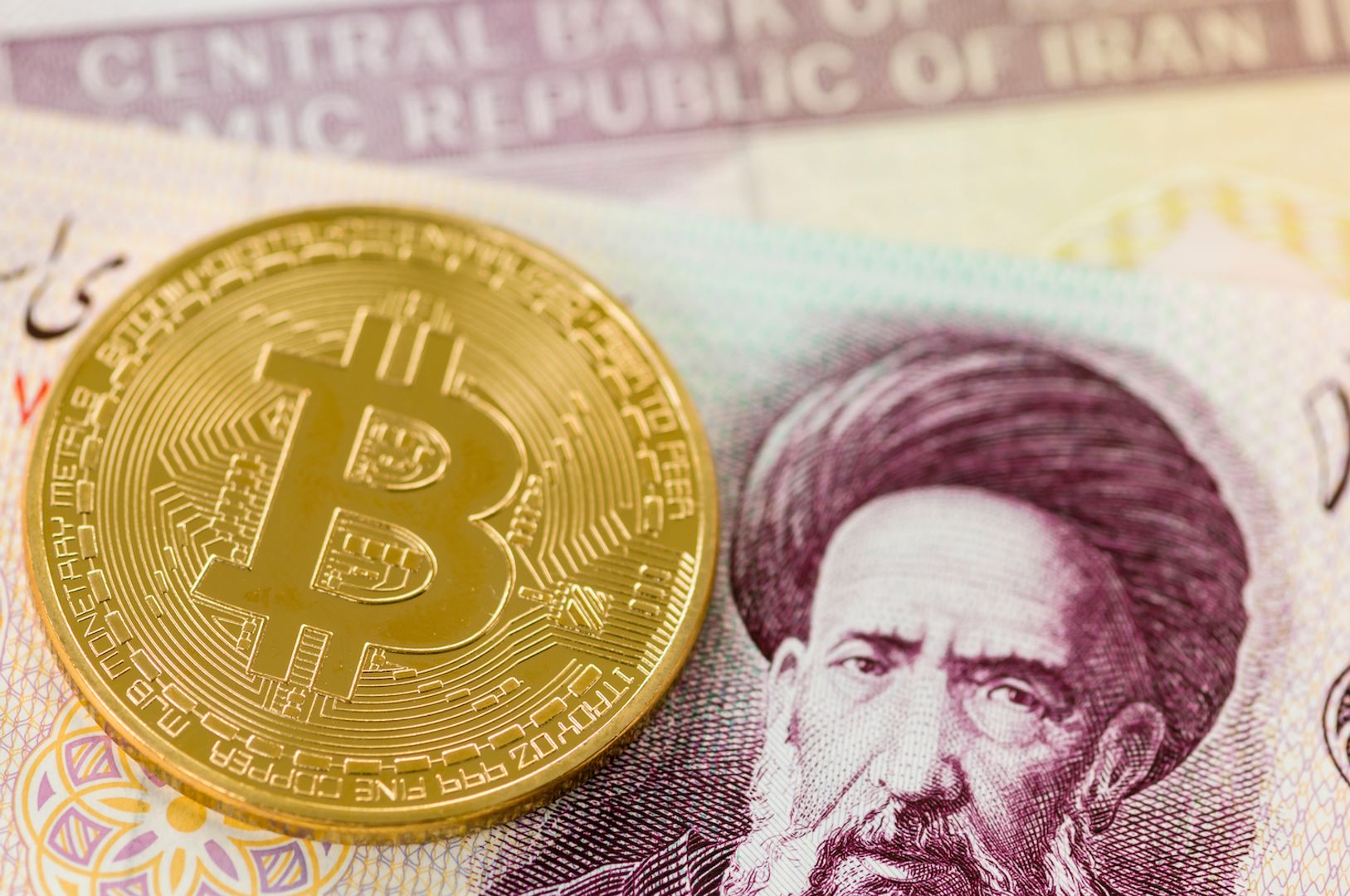
Bitcoin rallied above $65,500, marking a two-week high, after geopolitical tensions eased between the US and Iran. The peace agreement reopened the Strait of Hormuz, a critical chokepoint for global oil shipments, and deflated oil prices that had priced in conflict risk.
When geopolitical risk premiums collapse, capital reallocates from safe havens into risk assets. Oil tumbled as traders unwound hedges built on Iran conflict scenarios. This spillover benefited equities and crypto simultaneously. Bitcoin typically moves inverse to macro risk-off conditions, so the resolution of US-Iran tensions created room for risk-on appetite.
The move signals a broader market reassessment of tail risks heading into year-end. Bitcoin had traded in a narrow $60,000 to $65,000 band for weeks, waiting for a catalyst to break higher. The geopolitical relief provided exactly that. Options traders saw call buying accelerate as spot prices moved above $65,000, suggesting institutional conviction behind the move.
Oil's decline matters because it drains liquidity from traditional inflation hedges. With crude no longer demanding emergency premiums, money rotated into growth and yield-bearing assets. Bitcoin, despite its volatility, offers asymmetric upside in risk-on environments where central bank tightening cycles cool. The Fed has signaled patience on rate cuts, making BTC's non-correlated returns attractive relative to bonds yielding near-neutral real rates.
The Strait of Hormuz reopening removes a persistent tail risk that had capped risk asset rallies. Nearly 20 percent of global oil flows through that passage. Any blockade scenario would spike energy prices and trigger stagflation trades. The agreement eliminates that scenario from near-term probability matrices.
Technical levels matter too. Breaking above $65,500 places Bitcoin within striking distance of its $67,500 September highs. On-chain data shows exchange outflows accelerating, meaning holders are moving coins to cold storage instead of dumping into rallies. This behavior typically precedes sustained upside moves.
The geopolitical thaw won't alone sustain Bitcoin's rally. Macro headwinds remain. US debt ceiling negotiations resume in 2025, and Fed policy remains restrictive in real terms. But the removal of a concrete, measurable tail risk gives short-term momentum players cover to extend positions. Bitcoin's two-week high reflects a simple calculation: lower oil volatility equals higher risk appetite equals better conditions for speculative assets.