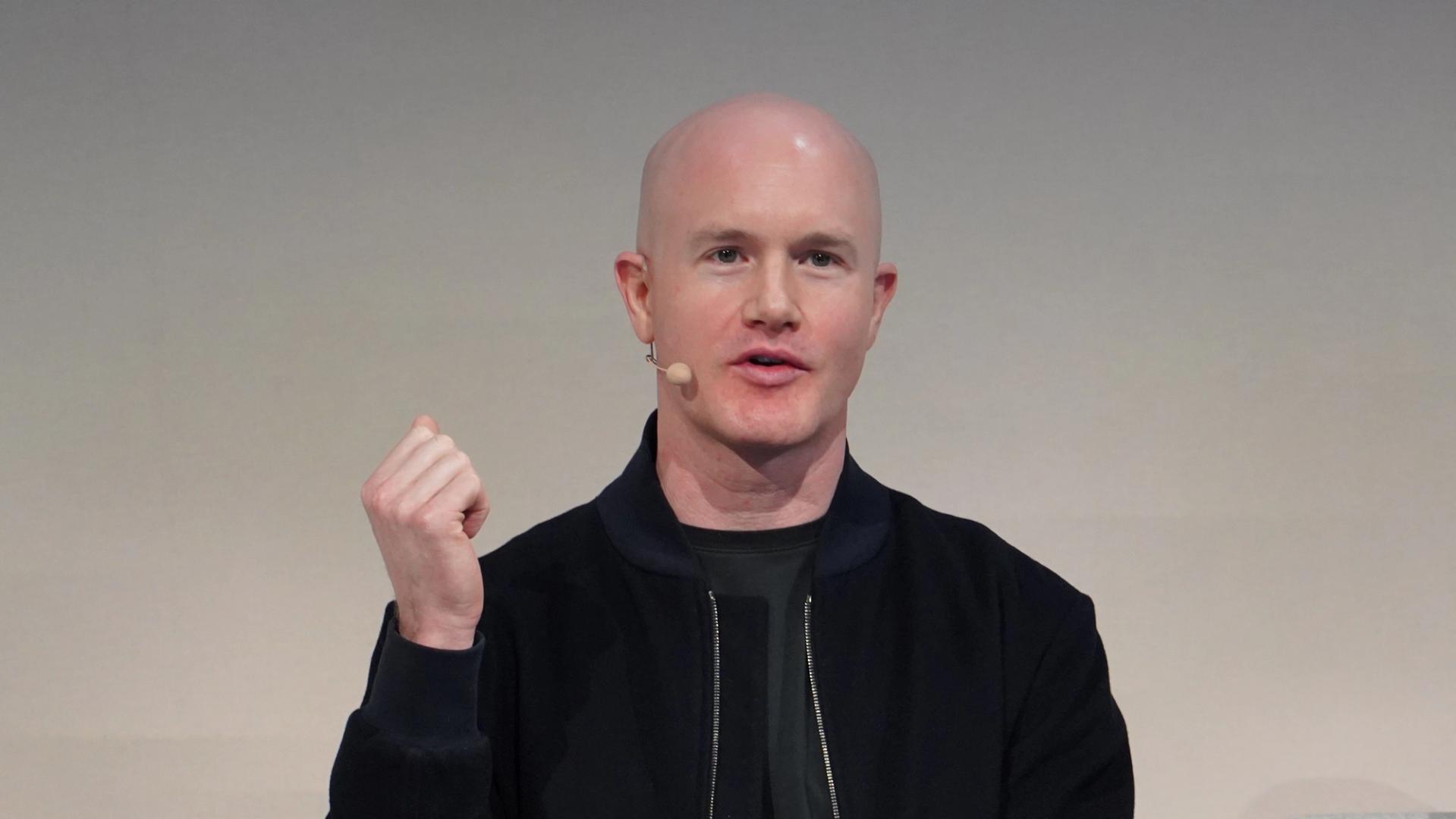
Coinbase CEO Brian Armstrong expressed confidence that Bitcoin has likely bottomed at the $60,000 level, citing the asset's historical four-year cycle pattern. Armstrong's assessment arrives as traders debate whether BTC has reached a floor after volatility in recent weeks pushed prices toward that psychological support level.
The four-year cycle Armstrong references tracks Bitcoin's behavior around halving events, which occur every four years and reduce mining rewards by half. These halvings have historically coincided with major price movements. The previous major low before the 2021 bull run occurred in late 2018, aligning with this cyclical framework. Armstrong's conviction suggests he views the current price range as a potential entry point rather than a precursor to further downside.
Armstrong's comments carry weight given Coinbase's position as the largest publicly traded crypto exchange in the US and a bellwether for institutional sentiment. The exchange's leadership typically telegraphs broader market outlook through public statements. His framing suggests Coinbase expects stabilization or recovery from current levels, which could influence both retail and institutional positioning.
The $60,000 floor holds technical relevance as well. Bitcoin had been trading above this level through much of 2024 before recent pressure. On-chain metrics show mixed signals. Exchange inflows have remained elevated, suggesting some distribution, while whale accumulation at lower price ranges indicates institutional interest. Long-term holders have largely held positions rather than capitulating, a healthier signal than panic selling.
Bitcoin's halving cycle has proven remarkably reliable over three previous occurrences. The 2012 and 2016 halvings preceded major bull runs within 12-18 months. The 2020 halving preceded the 2021 peak. If Armstrong's thesis holds, the cycle could suggest upside pressure materializes in coming quarters. However, macro factors including Federal Reserve policy, inflation data, and geopolitical events now weigh more heavily than in earlier cycles.
Armstrong's bullish stance contrasts with some market analysts who point to potential recession risks and regulatory headwinds as reasons for caution. Yet his optimism aligns with growing institutional adoption and Bitcoin's acceptance as a portfolio diversifier. Bitcoin's correlation with tech stocks has softened compared to 2022, suggesting independent price discovery. If $60,000 holds as support, bulls will likely test resistance levels near $70,000 and beyond.
The CEO's public confidence may also serve institutional clients nervous about timing. By naming a specific floor, Armstrong provides a psychological anchor for decision-making during uncertain periods.