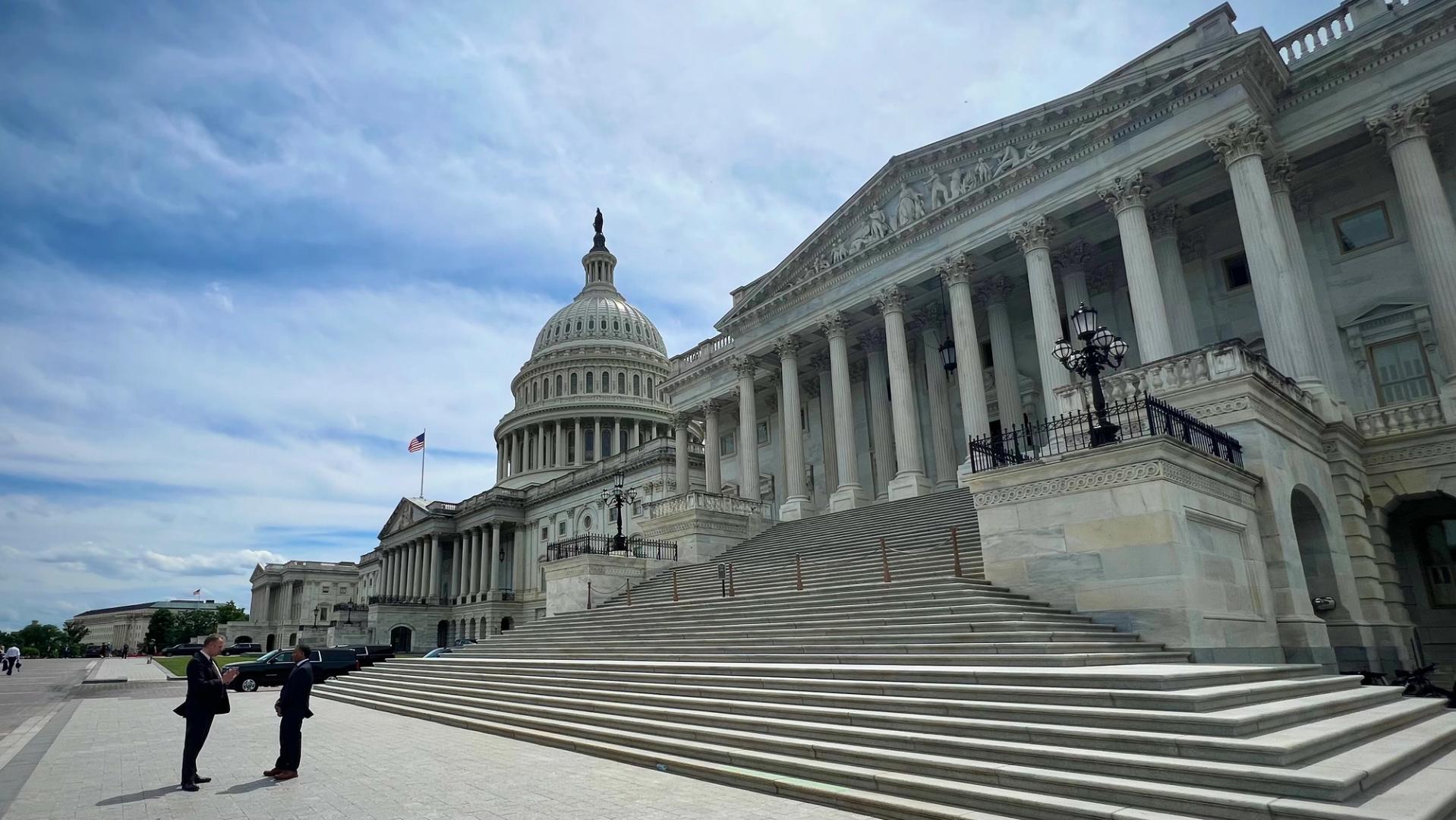
Lawmakers are ramping up pressure on the crypto industry through multiple regulatory fronts this summer. Tax treatment remains a flashpoint, with Congress debating how to classify and levy digital assets across trading, staking, and mining activities. The uncertainty around capital gains recognition, especially for proof-of-stake rewards and DeFi yield generation, continues to fragment compliance approaches across states and federal jurisdictions.
The Commodity Futures Trading Commission moved forward with a prediction market proposal that would expand its oversight into decentralized prediction platforms. The CFTC's framework seeks to define what constitutes a "contract of sale of a commodity for future delivery" in the context of blockchain-based prediction markets, potentially capturing platforms like Polymarket and others operating in gray zones. This marks a deliberate regulatory push to bring decentralized finance infrastructure under existing commodity law frameworks.
Parallel to the CFTC action, courtroom battles intensified. High-profile lawsuits targeting major exchanges, token projects, and DeFi protocols moved through discovery phases and preliminary motions. The SEC's enforcement strategy against tokens claimed as unregistered securities drove cases against prominent platforms and projects. Meanwhile, defendants filed counterclaims challenging the SEC's jurisdiction and interpretation of what qualifies as a security under the Howey test. Courts began issuing rulings on standing, class certification, and substantive securities law questions that will shape industry practice.
The combination of tax code review, CFTC guidance on derivatives and prediction markets, and active litigation creates a three-pronged regulatory squeeze. Exchanges and protocols face conflicting compliance signals. A token classified as a commodity under CFTC rules might simultaneously face SEC claims of being an unregistered security. Tax codes that don't address staking rewards create passive income reporting nightmares for retail investors and platforms alike.
States have begun filling federal gaps. Some passed crypto-friendly licensing frameworks while others tightened money transmission rules to restrict platform operations. This patchwork amplifies compliance costs for multistate operators.
The summer regulatory acceleration reflects Washington's shift from hands-off observation to active intervention. Regulators want jurisdiction clarity before the next market cycle accelerates adoption. Whether these efforts bring coherence or further fragmentation depends on Congressional action and how courts interpret existing statutes applied to new technology.