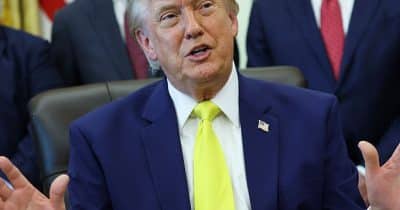
Trump has accepted a limited deal reopening the Strait of Hormuz, a critical chokepoint for global oil supplies, though the agreement leaves Iran's leadership structure in place and underlying tensions unresolved. The temporary arrangement eases immediate concerns about oil supply disruption that had rattled commodity markets and crypto volatility traders.
The Strait of Hormuz handles roughly 20 percent of global oil exports. Closure or extended blockade typically triggers energy price spikes that reverberate through risk markets, including crypto assets. Bitcoin and other cryptocurrencies often trade inversely to oil volatility during geopolitical shocks, as investors seek uncorrelated stores of value when traditional markets seize up.
This deal's limited scope matters for market stability. The agreement reopens shipping lanes without requiring regime change or comprehensive sanctions relief, positioning it as a pragmatic compromise rather than a full normalization. However, the framework leaves fundamental disputes unaddressed. Iran's nuclear program, regional proxy networks, and U.S. sanctions architecture remain contested. This setup creates persistent tail risk for rapid reignition of conflict.
For crypto markets, the implications are nuanced. Near-term, reduced oil supply fears stabilize risk sentiment and limit the "risk-off" bid that typically supports Bitcoin during geopolitical crises. Oil price stability removes a variable that had been driving correlation trades. Longer-term, unresolved tensions mean markets cannot price in durable peace, keeping geopolitical risk premiums embedded in asset valuations.
Energy prices directly impact several blockchain ecosystems. Ethereum staking and proof-of-work mining operations consume significant electricity; sustained oil volatility feeds into broader energy cost uncertainty. Bitcoin miners, particularly those dependent on energy arbitrage, benefit from price stability in commodity markets.
The narrow scope of this deal reflects Trump's transactional approach. Full sanctions removal or broader Iran engagement would trigger sharper market moves. Instead, this limited reopening of shipping lanes suggests measured de-escalation without strategic realignment. Markets interpret this as "cooling off" rather than "resolution."
Crypto traders should monitor oil futures and geopolitical risk indices closely. A second closure or escalation would rapidly reverse these gains and likely trigger the kind of volatility spikes that benefit safe-haven assets like Bitcoin. For now, the temporary truce removes one acute tail risk, but doesn't eliminate the underlying fragility.