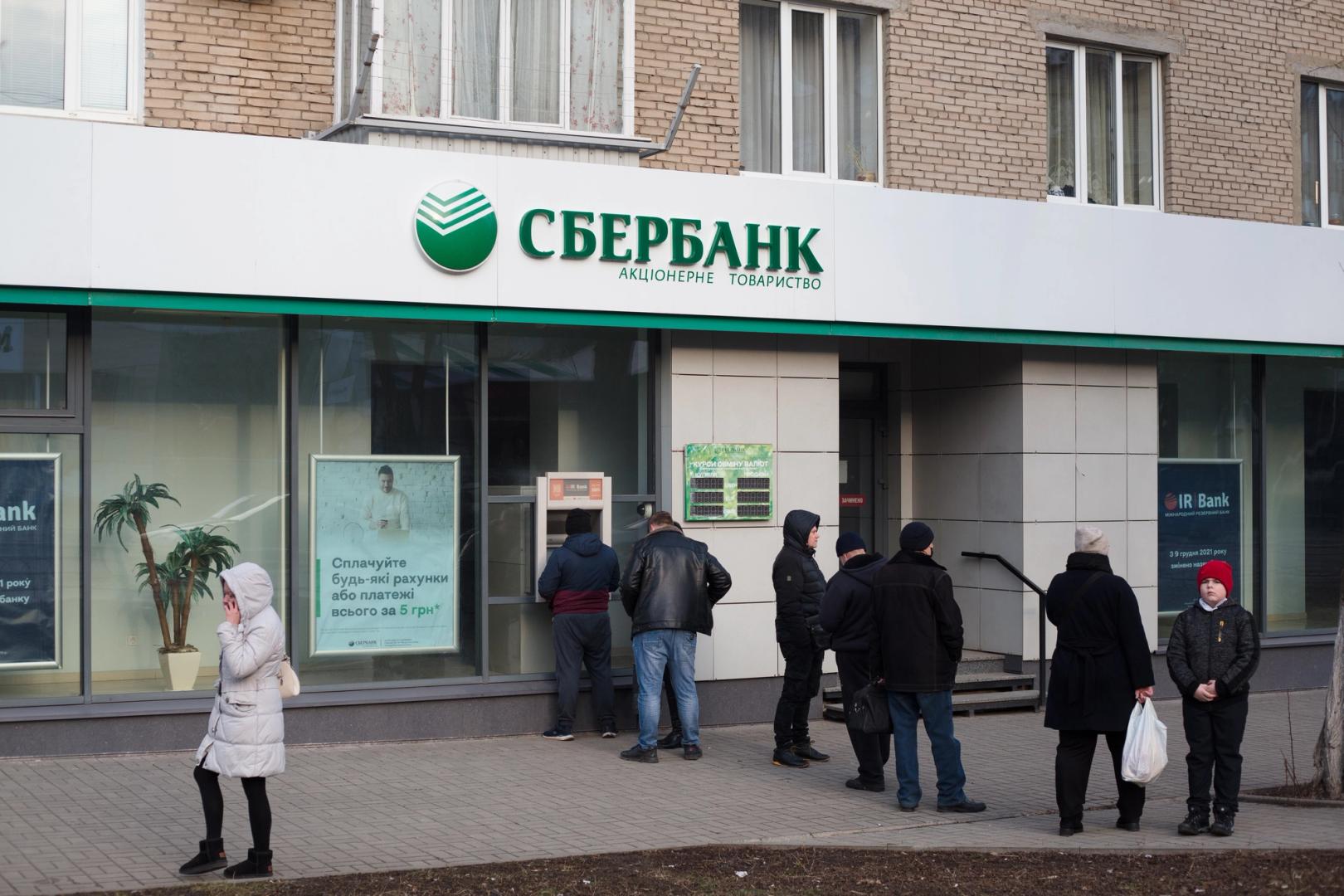
Sberbank, Russia's largest bank by assets, plans to launch cryptocurrency trading infrastructure before year-end, capitalizing on the country's evolving regulatory framework. New rules governing crypto trading, custody, and settlement take effect September 1, creating the first formal pathways for institutional participation in digital assets within Russia.
The timeline matters. Licensed intermediaries face mandatory compliance requirements starting July 2027, giving banks and established financial institutions a two-year runway to build systems and infrastructure. Sberbank's accelerated December deadline positions the lender ahead of competitors and signals confidence in Russia's commitment to the regulatory framework.
The rules establish guardrails previously absent in Russia's crypto market. Custody requirements ensure asset safeguarding. Settlement protocols create standardized transaction handling. Trading intermediary licenses legitimize the sector under state oversight. These guardrails lower risk for institutional players while giving regulators visibility into capital flows.
Sberbank's move reflects broader trends. Legacy banks globally face pressure to offer digital asset services or lose clients to crypto-native competitors. Russia's institutional vacuum created opportunity. As traditional finance integrates crypto infrastructure, banks gain fee-generating services and customer retention leverage.
The geopolitical angle adds context. Western sanctions have pushed Russia toward financial self-sufficiency, making domestic crypto infrastructure strategically valuable. Sberbank's initiative aligns with state interests in reducing dollar dependence and developing alternative payment rails. Cryptocurrency trading infrastructure serves both commercial and national objectives.
Execution risk exists. Building compliant custody and settlement systems requires significant engineering investment. Regulatory interpretation may shift between September's framework launch and July 2027's enforcement deadline. Sberbank's December target leaves minimal margin for technical delays or regulatory clarification.
The move also signals investor confidence. Sberbank would not deploy capital without believing the regulatory environment remains stable. This suggests Russian policymakers view crypto as permanent infrastructure rather than temporary speculation.
By December, watch for Sberbank's trading pair offerings. Bitcoin and Ethereum typically launch first. Ruble/crypto pairs would indicate domestic retail focus. Stablecoin pairs would suggest cross-border settlement