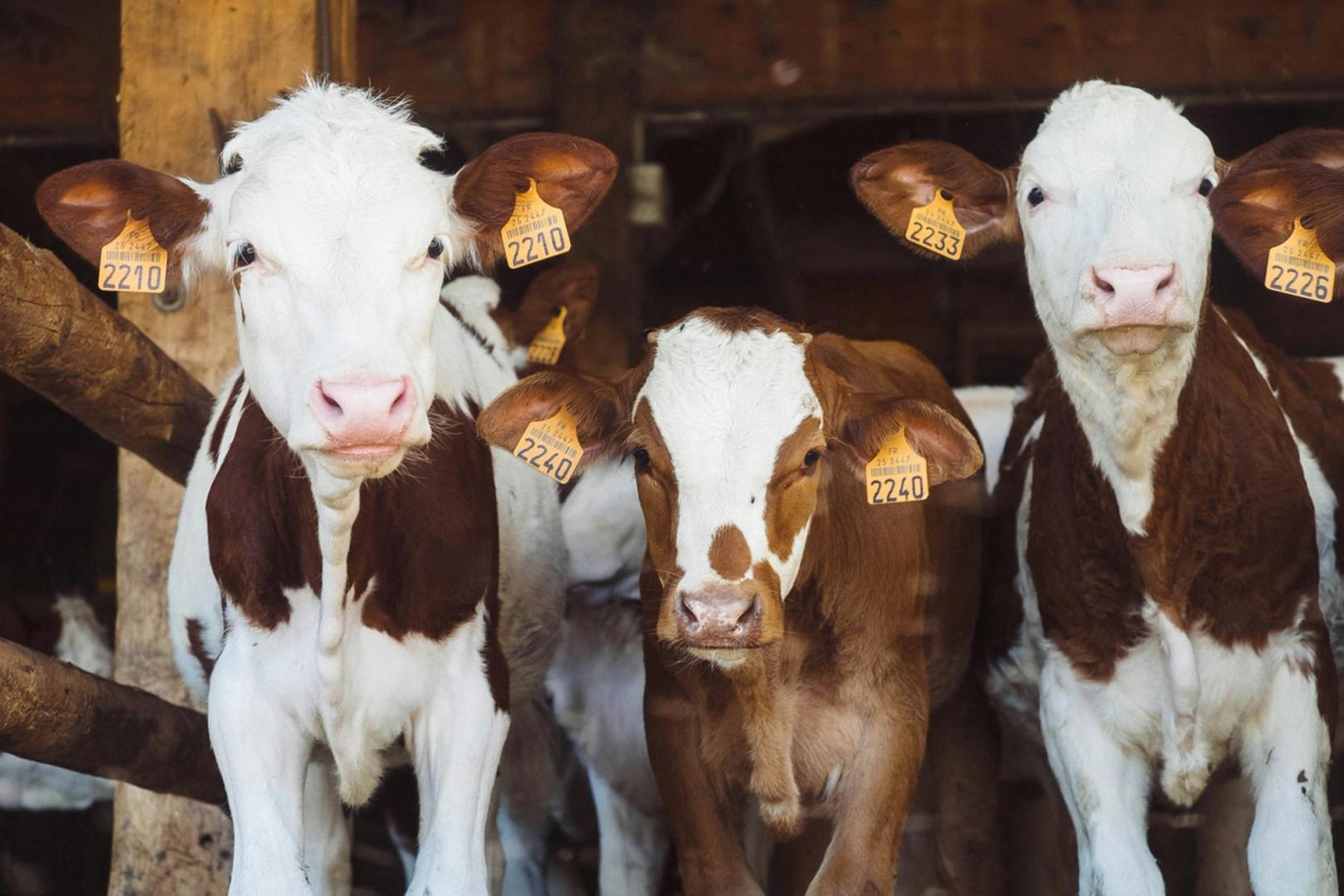
Brazilian farmers have begun tokenizing dairy cows as collateral to access loans that exceed traditional banking limits. The innovation uses smart collars that monitor individual animal health metrics in real time, creating verifiable on-chain records that prevent fraud and build trust with lenders.
The system addresses a persistent problem in Brazilian agriculture. Commercial banks impose strict lending caps on farm operations, forcing producers to seek alternative financing despite owning valuable livestock assets. By converting cows into digital tokens backed by health data, farmers unlock access to thousands of dollars in funding without hitting those institutional ceilings.
Smart collars track biometric data including body temperature, movement patterns, and feeding behavior. This continuous monitoring generates immutable records stored on blockchain networks, essentially creating a transparent audit trail for each animal's condition. Lenders can verify collateral quality in real time rather than relying on periodic inspections or trust-based agreements. If a cow falls ill or dies, the data reflects it immediately, reducing counterparty risk and deterring farmers from substituting lower-quality animals after securing loans.
The tokenization approach appeals to rural communities with limited access to traditional finance. Agricultural co-operatives and microfinance operations have begun adopting the model, enabling smaller producers to participate in formal lending markets. Loan amounts tied to tokenized herds range from hundreds to thousands of dollars per animal, providing meaningful working capital for feed, veterinary care, and farm operations.
This model extends beyond Brazil. Similar livestock tokenization initiatives have emerged in other developing nations where banking infrastructure remains constrained and agricultural collateral presents valuation challenges. The combination of IoT sensors and blockchain creates a framework for any asset that benefits from continuous monitoring and transparent ownership records.
The success of cow tokenization in Brazil demonstrates how Web3 infrastructure addresses real-world financing gaps. Rather than speculative blockchain applications, smart collars and livestock tokens solve concrete problems for farmers operating outside traditional banking systems.