Poolin, one of Bitcoin's dominant mining pools in the mid-2010s, has filed for bankruptcy. The Singapore-based operation froze user withdrawals in 2022 and never restored operations, leaving 11,700 users holding IOUs on balances they cannot access.
The pool now liquidates its final asset. Poolin is auctioning off mining hardware and facilities at its Texas operations to settle outstanding obligations. The bankruptcy filing acknowledges the pool's inability to recover from the 2022 withdrawal freeze that triggered its operational collapse.
Poolin's decline marks a striking reversal for a platform that once commanded massive hashrate allocation across Bitcoin's network. The pool had accumulated substantial mining rewards over years of operation but faced a critical moment in 2022 when withdrawals halted. Users could not move their earned bitcoin to self-custody or exchanges, effectively trapping capital in the platform.
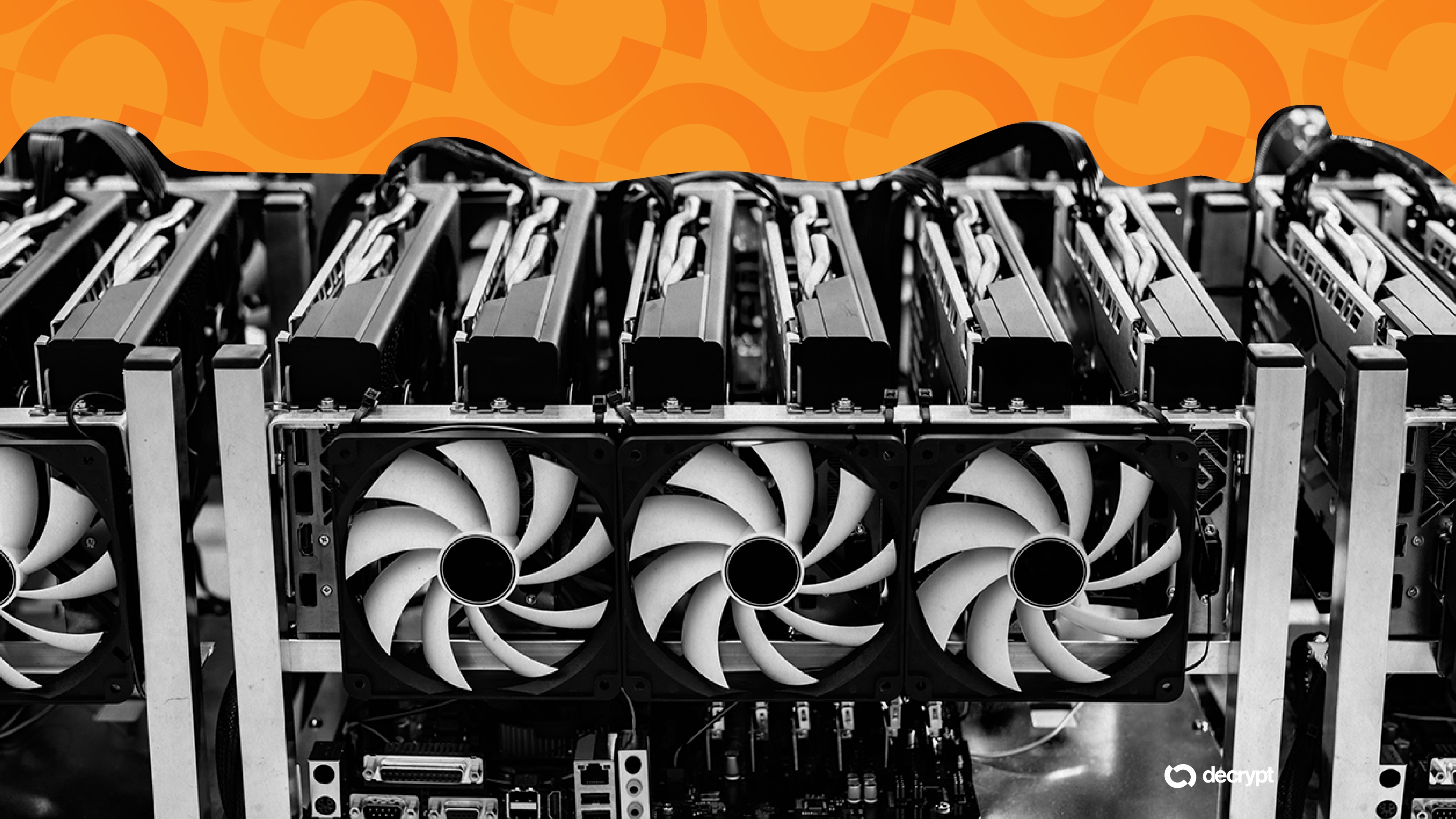
The Texas mining sites represent Poolin's remaining tangible infrastructure. Rather than attempt operational revival, the pool's administrators opted for orderly liquidation. Auction proceeds will distribute to creditor-users based on their verified IOU balances.
The bankruptcy reflects broader stress on mining pool platforms during the 2022 crypto downturn. Increased energy costs, falling bitcoin prices, and regulatory pressure destabilized operations for pools that had not maintained adequate liquidity reserves. Poolin's withdrawal freeze came amid this period of industry contraction.
For the 11,700 affected users, the auction outcome determines recovery rates. Full liquidation of Poolin's Texas assets may not cover all outstanding balances. Users with larger IOUs face potential losses, though an orderly bankruptcy process offers better odds than the collapse scenario many feared.
The Poolin case underscores operational risks in centralized mining infrastructure. Users who held balances on the platform learned harsh lessons about counterparty exposure. Decentralized mining pools and solo mining setups eliminate withdrawal-freeze risk but require higher technical competency and capital investment from participants.