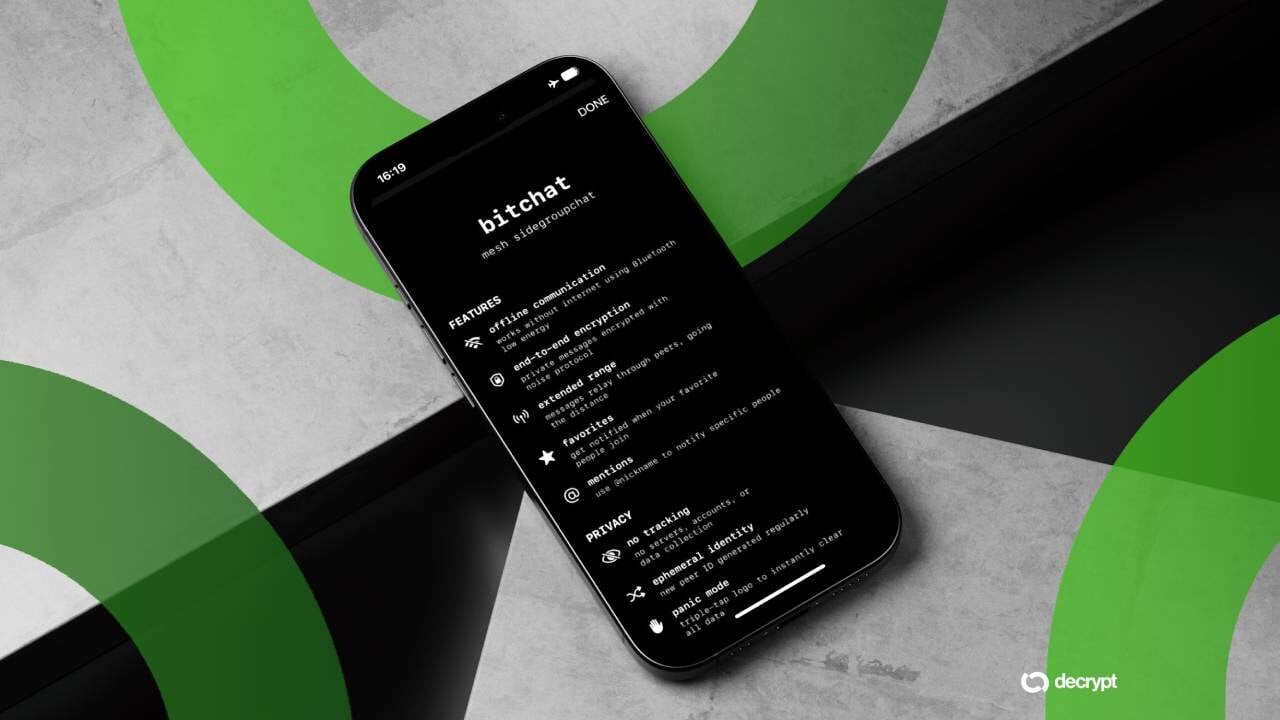
India's government ordered GitHub to remove three code repositories for Bitchat, a decentralized messaging application developed by Jack Dorsey's Block, Inc. The removal notice cited the app's use during protest-related internet shutdowns across the country.
GitHub received the takedown order with a three-hour deadline. The government claimed Bitchat facilitated communication during periods when authorities had disabled broader internet access to suppress dissent and coordinated protest activity.
Bitchat runs on Bitcoin's blockchain and operates without centralized servers. The architecture makes it resistant to conventional censorship since no single entity controls the infrastructure. Users can send encrypted messages peer-to-peer, bypassing traditional telecom networks that governments can easily throttle or disable.
The move reflects India's escalating approach to controlling digital speech during civil unrest. Previous internet shutdowns have targeted social media platforms and messaging services. This marks a significant action against a blockchain-native application, demonstrating governments now view decentralized tools as threats to information control.
GitHub complied with the order, removing the repositories. Block, Inc. has not publicly commented on the removal. The incident raises questions about the enforceability of government takedown requests against open-source projects hosted internationally.
Bitchat represents a growing category of censorship-resistant applications designed explicitly to function during network disruptions. Bitcoin-based communication protocols present novel challenges for governments accustomed to pressuring centralized platforms like WhatsApp or Telegram.
The removal underscores the tension between decentralization's promise of censorship resistance and the practical reality that code repositories, hosting services, and developer infrastructure remain vulnerable to state pressure. Even projects hosted on distributed networks depend on centralized services for distribution and collaboration.
This action arrives as India continues tightening digital regulation through data localization requirements and social media licensing frameworks. The government's ability to compel GitHub's compliance suggests regulatory pressure on infrastructure providers remains an effective censorship mechanism, regardless of the underlying application's decentralized design.