A Polymarket bettor operating under the handle "GCottrell93" deposited $9 million in cryptocurrency from unknown sources and wagered the entire sum on Donald Trump's 2024 election victory, according to Financial Times reporting. The account successfully cashed out winnings after Trump's win, but the identity of both the fund provider and the ultimate beneficiary remains opaque.
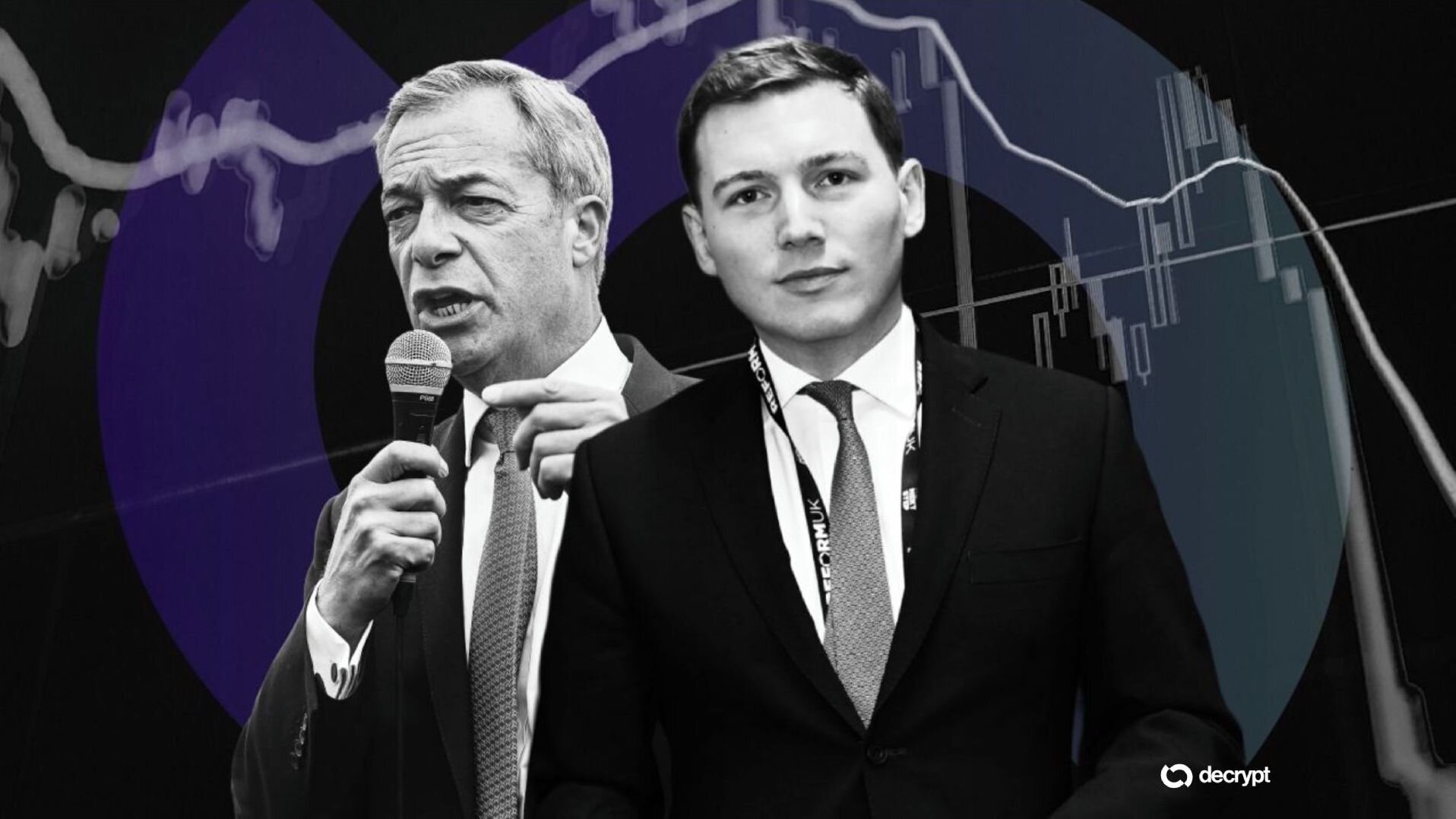
The account name references Gregg Cottrell, a UK businessman who backed Nigel Farage's Reform UK party. However, investigators have not confirmed whether Cottrell himself controlled the account or merely lent his name to it. The funds arrived via cryptocurrency transfers that obscure their origin, raising questions about whether the bet violated Polymarket's terms of service or relevant financial regulations.
Polymarket, the decentralized prediction market operating on Polygon, does not conduct traditional know-your-customer verification. This design choice enables pseudonymous trading but creates enforcement challenges for regulators scrutinizing large wagers and fund flows. The platform's minimal compliance infrastructure contrasts sharply with centralized betting venues, which typically verify user identity and document fund sources.
The $9 million bet represented one of the largest individual wagers on the 2024 U.S. election across prediction markets. Trump ultimately won the presidency, meaning the account generated substantial returns. Polymarket saw record trading volume surrounding the election, with billions in notional value flowing across Trump, Harris, and down-ballot contracts.
The discovery highlights ongoing tension between cryptocurrency's pseudonymity and financial regulators' push for transparency. U.S. authorities have previously scrutinized prediction market activity for money laundering risks and market manipulation. The FT's investigation suggests that Polymarket's open architecture enabled a high-value transaction chain that conventional betting platforms would have flagged for compliance review.
Polymarket declined to comment on specific accounts or verify details about the transaction. The platform continues operating despite periodic regulatory pressure from U.S. authorities questioning its legal status under federal gambling laws.