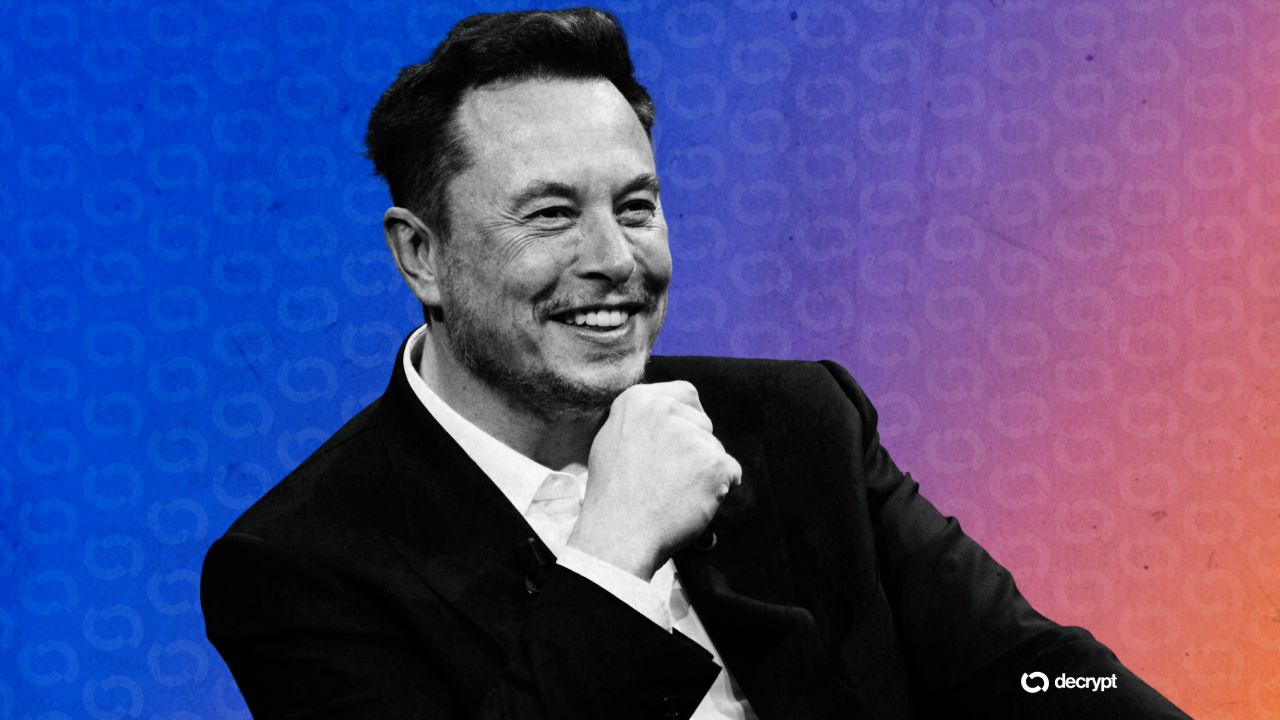
Elon Musk warned that humans will lose control of artificial intelligence within a decade, citing the breakneck pace of AI advancement. The SpaceX founder pushed for immediate coordination among leading AI companies on safety protocols before deploying their most powerful models.
Musk's statement underscores mounting concerns about AI development outpacing regulatory frameworks and safety measures. His call for industry-wide coordination reflects broader anxiety in tech circles about the risks of unrestricted AI scaling. The warning aligns with previous comments from Musk about the existential threat posed by advanced AI systems.
The timing matters. As companies like OpenAI, Google DeepMind, and Anthropic race to develop larger language models and multimodal systems, the gap between capability advancement and safety testing widens. Musk emphasized that voluntary coordination remains preferable to regulatory intervention, though he acknowledged the difficulty of enforcing such agreements across competing entities with billions in funding at stake.
This follows Musk's founding of xAI in 2023, positioning him as an active player in the AI landscape rather than merely a commentator. His dual role as both a prominent AI skeptic and an AI entrepreneur adds complexity to his safety messaging.
The broader crypto and blockchain community has watched AI developments closely. Some projects explore intersections between decentralized systems and AI, while others view advanced AI as both opportunity and threat to crypto infrastructure. Musk's warning could influence sentiment around AI-adjacent tokens and protocols, though direct price correlations remain speculative.
His call for coordination among AI labs, rather than outright prohibition, suggests pragmatism about AI's inevitability. Yet the core message remains stark. Musk positioned the next decade as a critical window for establishing safety guardrails before control mechanisms become impossible to implement. Whether leading AI firms will heed this call remains uncertain, particularly given competitive pressures and the enormous capital investments already committed to capability-focused development.