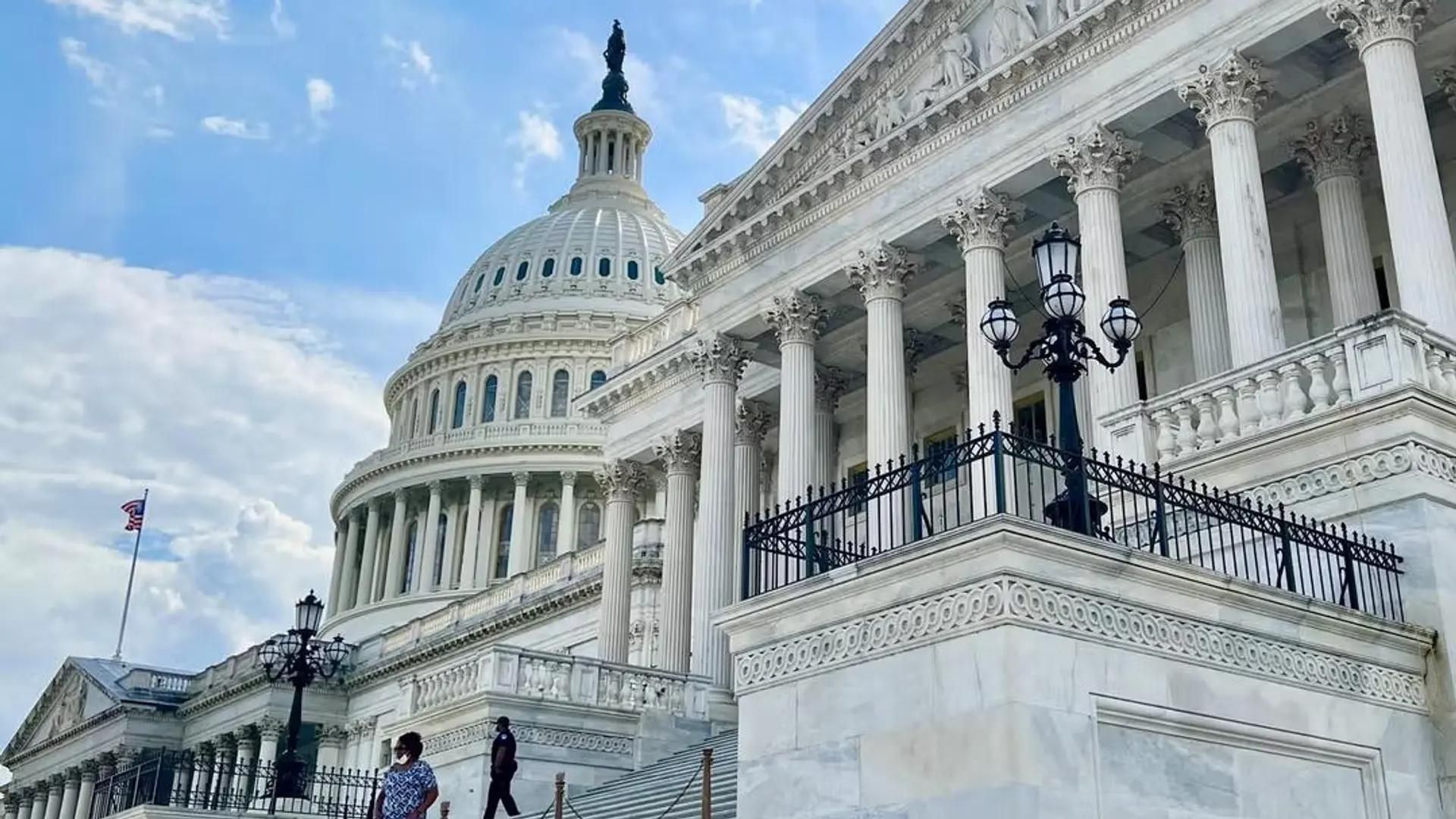
The U.S. Senate has delayed floor votes on the Financial Innovation and Technology for the 21st Century Act, commonly known as the Crypto Clarity Act, as lawmakers prioritize competing legislative priorities. Senate Majority Leader Chuck Schumer has directed limited floor time toward other bills, leaving the cryptocurrency industry's push for clearer digital asset regulations in legislative limbo.
The Crypto Clarity Act represents one of the most comprehensive efforts to establish a unified regulatory framework for digital assets under the Commodity Futures Trading Commission and the Securities and Exchange Commission. Sponsors had anticipated floor consideration in the coming weeks, but competing demands on Senate scheduling have pushed the bill down the priority list.
The delay frustrates crypto stakeholders who argue that regulatory clarity remains essential for the industry's growth and institutional adoption. Without clearer guidance, companies face ongoing uncertainty about whether tokens qualify as commodities or securities, creating compliance headaches for exchanges, custodians, and token developers.
Schumer's office cited the need to address other urgent legislative matters first. Senate bandwidth remains tight despite the chamber's expanded roster of Republican and Democratic members. Bills addressing government funding, judiciary confirmations, and foreign policy compete for floor time.
The Crypto Clarity Act had gathered bipartisan support earlier this year, with both Republican and Democratic sponsors recognizing the need for digital asset regulation. However, legislative momentum does not guarantee floor votes. Numerous bills with bipartisan backing languish in committee or await floor consideration indefinitely.
The crypto industry remains optimistic about eventual passage but acknowledges the legislative process moves slowly. Trade groups and protocol developers have ramped up lobbying efforts to demonstrate industry support for the framework.
Market analysts note that ongoing regulatory uncertainty continues to weigh on investor sentiment. Bitcoin traded near $42,000 while Ethereum hovered around $2,200 following the news, suggesting modest impact from the delay announcement. Institutional buyers have increasingly called for clearer rules before committing capital to digital assets.
The Senate's decision reflects broader challenges facing the cryptocurrency sector. Without legislative action, the existing patchwork of federal and state regulations persists, forcing companies to navigate conflicting guidance