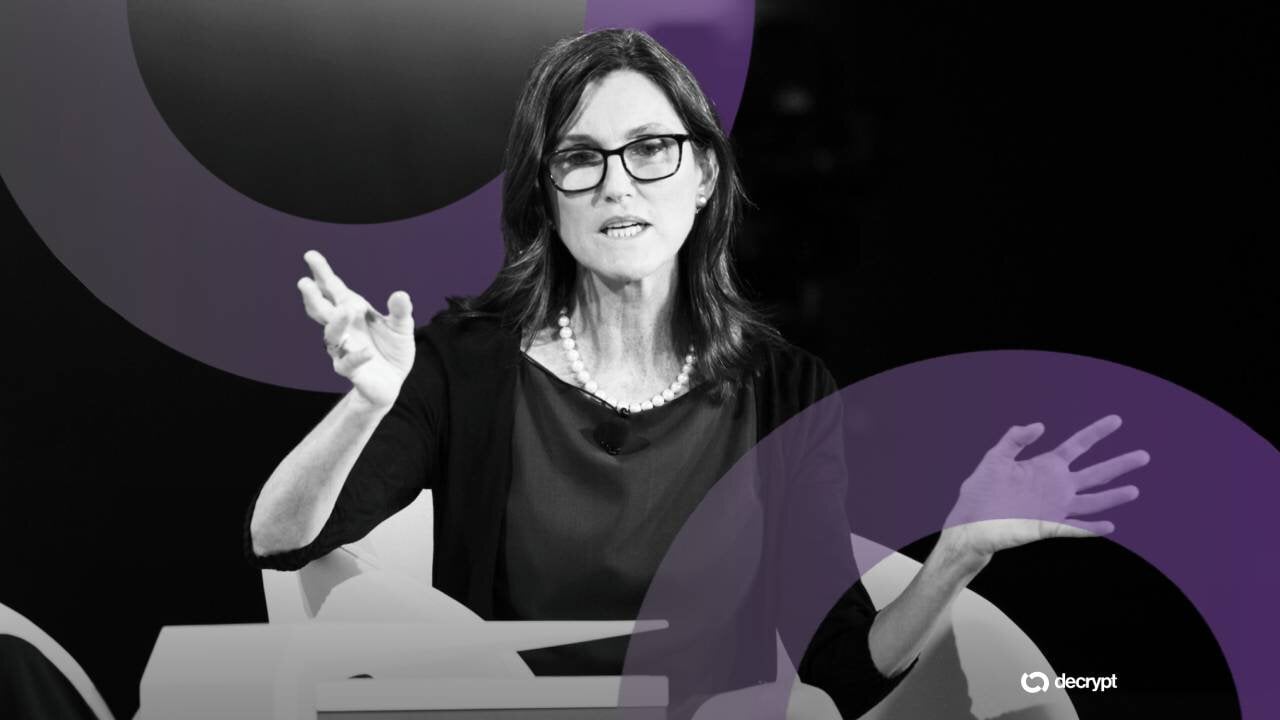
Cathie Wood's Ark Invest executed a mixed portfolio rebalance during Wednesday's crypto equity selloff, trimming exposure to mining and trading infrastructure while doubling down on core exchange and payment rail plays.
Ark dumped shares of Bitmine, the Bitcoin mining hardware manufacturer, alongside positions in Robinhood, Bullish, and Block. The sales coincided with broader weakness across crypto-linked equities. Block, the Jack Dorsey-led fintech giant, took particular heat as investors reassessed exposure to legacy payment processors facing crypto headwinds.
The fund manager simultaneously increased holdings in Coinbase and Circle, signaling confidence in centralized exchange infrastructure and stablecoin rails. Coinbase shares have stabilized following regulatory clarity under the Trump administration, while Circle maintains its position as the issuer of USD Coin, the second-largest stablecoin by market cap.
Wood's trades reflect a strategic tilt away from hardware and toward protocol-level infrastructure. Bitmine's selloff stands out given the Bitcoin mining sector's recent strength, driven by rising BTC prices and favorable energy economics. The move suggests Ark sees better risk-adjusted returns in exchange and payment layers rather than mining equipment manufacturers.
Robinhood and Bullish exits indicate Wood is rotating capital away from retail crypto brokers facing competitive pressures from Coinbase and traditional finance entrants. Robinhood's crypto trading volume remains under pressure despite its retail user base, while Bullish has struggled to gain traction against larger competitors.
Circle's addition is particularly telling. The USDC issuer has positioned itself as institutional-grade infrastructure, with backing from major venture capital firms and adoption across DeFi protocols and exchanges. Ark's continued accumulation suggests confidence in the stablecoin sector's institutional adoption trajectory.
Wood's trading pattern reflects conviction that centralized but regulated infrastructure wins the next cycle, while hardware and pure-play brokers face margin compression and regulatory risk.