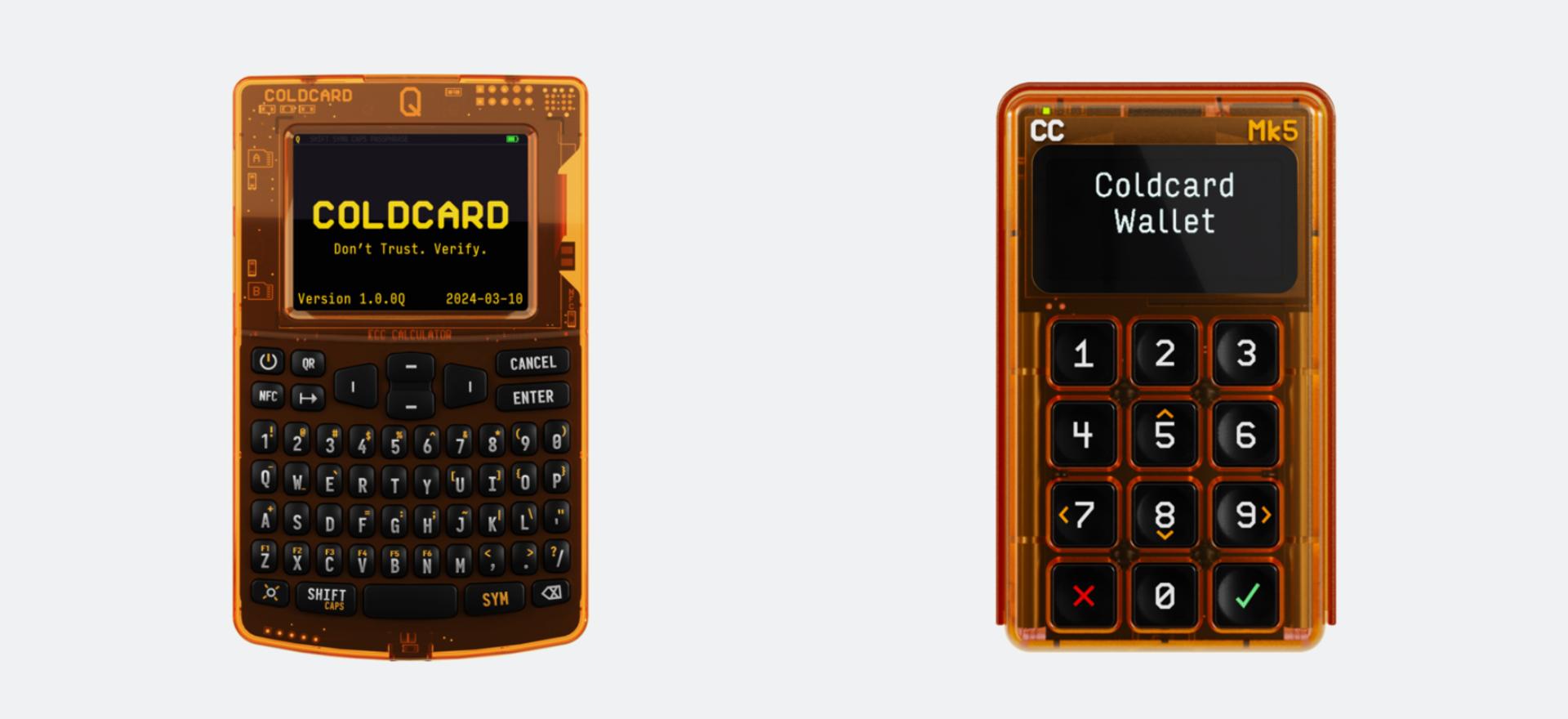
A critical vulnerability in Coldcard hardware wallets has resulted in the theft of approximately 600 bitcoin, valued at roughly $38 million. The exploit stems from a software bug that compromised the security model users relied on for self-custody.
The incident raises immediate concerns about the viability of hardware wallets as a security solution for retail investors. Coldcard positions itself as one of the market's most trusted devices for storing private keys offline, making this breach particularly damaging to user confidence in self-custody broadly.
The theft underscores a persistent tension in crypto security. Hardware wallets promise isolation from internet-connected threats, yet software vulnerabilities can still compromise that protection. Users who believed their private keys remained secure through physical device isolation now face evidence that design flaws can create fatal attack vectors.
The fallout carries broader implications for crypto custody strategies. Some investors may reassess the risk-reward calculation of managing private keys independently versus using regulated custodians or crypto ETFs. Bitcoin spot ETFs from BlackRock, Fidelity, and others offer exposure without self-custody responsibilities. For less technically sophisticated users, the burden of maintaining secure hardware wallets now appears heavier against the backdrop of this exploit.
Coldcard has acknowledged the vulnerability and begun issuing patches. The company's response will determine whether it retains credibility in the hardware wallet space or loses market share to competitors like Ledger and Trezor.
This incident arrives at a critical juncture for institutional adoption. If retail users shift toward ETF-based exposure due to custody concerns, it could accelerate the flow of capital into traditional financial infrastructure rather than on-chain self-custody arrangements. The irony is sharp. Hardware wallet security fails, driving users toward the centralized custodial solutions that bitcoin was designed to circumvent.
The 600 bitcoin stolen represents a material loss for affected users and a watershed moment for the self-custody narrative. Recovery appears unlikely. Users must now decide whether to upgrade Coldcard firmware, switch devices entirely, or abandon self-custody altogether.