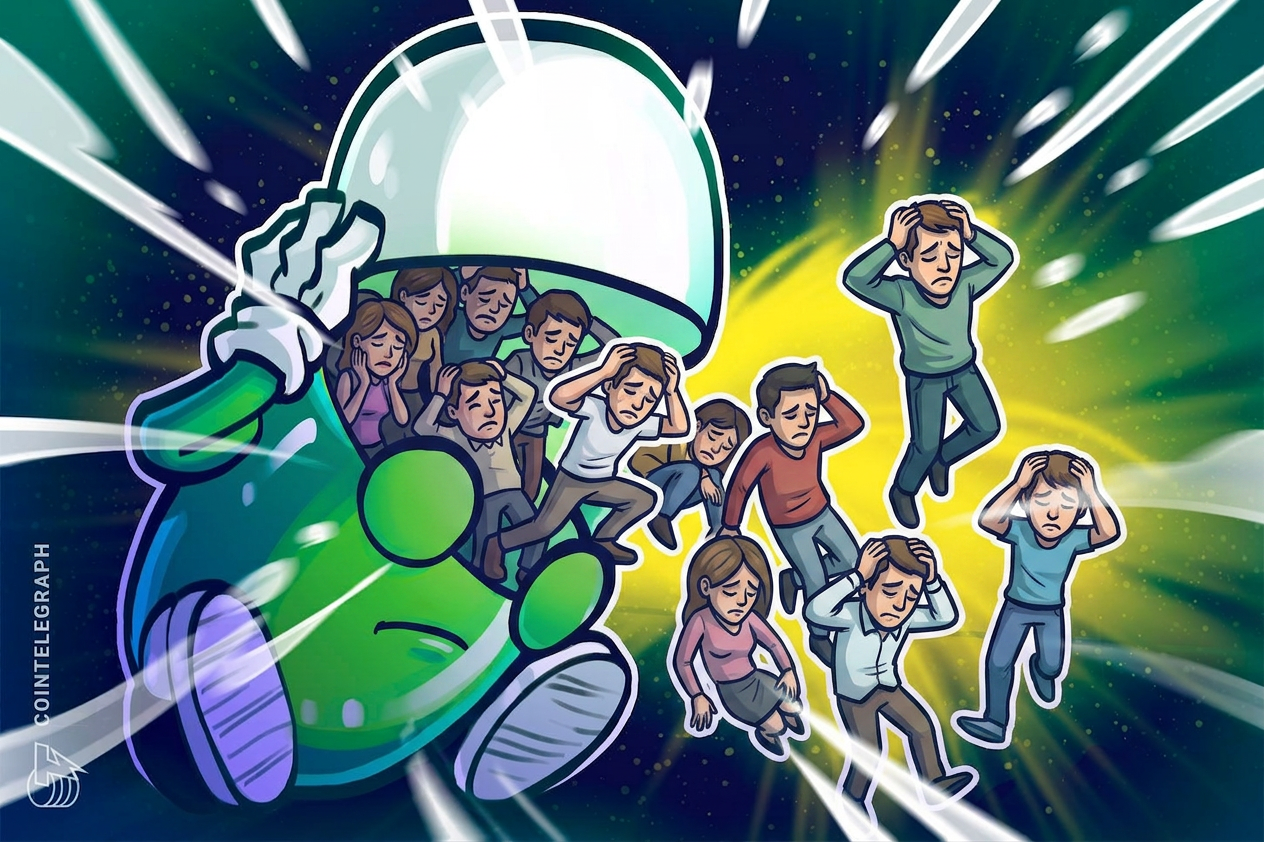
Pump.fun laid off workers before the company distributed millions of PUMP tokens to employees, according to reports. Co-founder Noah Tweedale cited rapid growth as the reason for the workforce reduction. The timing raises questions about whether departing staff members received token allocations or faced exclusion from the distribution.
Pump.fun operates as a decentralized application for launching tokens on Solana, functioning as a launchpad where users can create and trade meme coins with minimal friction. The platform gained traction throughout 2024, generating substantial transaction volumes and protocol fees. The PUMP token represents the platform's native governance and utility asset.
The layoff sequence suggests internal challenges despite the platform's outward market momentum. Growing too quickly typically indicates scaling pressures, infrastructure demands, or operational inefficiencies that forced leadership to cut costs. The fact that token distributions occurred after workforce reductions creates a disparity where terminated employees may have missed out on potential financial upside.
This pattern reflects a broader tension in crypto startups where token allocations function as deferred compensation or equity equivalents. Early employees often expect token grants as part of their package, similar to stock options in traditional tech. Timing layoffs before distributions can leave departing workers with nothing while remaining staff capture the upside.
Pump.fun's rapid ascent on Solana made it one of the ecosystem's most-used applications by transaction count and daily active users. The platform's success attracted venture capital and positioned it as a key infrastructure player in Solana's token economy. However, operational challenges behind the scenes apparently prompted the restructuring.
The move reflects common startup dynamics where hypergrowth creates management challenges. Whether affected employees received any PUMP tokens, partial allocations, or nothing remains unclear from available reports. The incident highlights how crypto compensation structures can amplify wealth disparities when timing decisions align layoffs with token events.