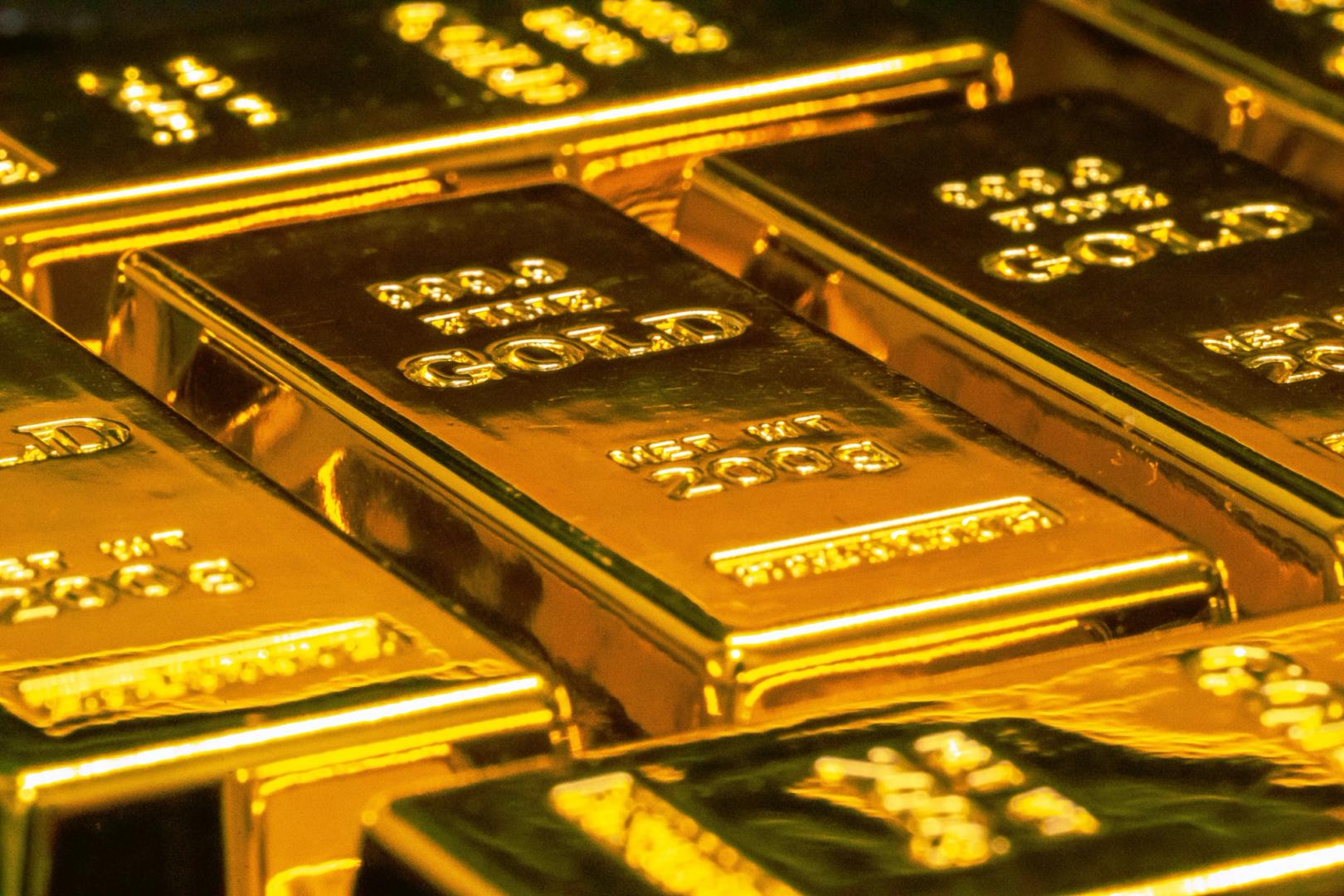
Tether reported a $1.5 billion operating profit for Q2 2024, driven by its core business of issuing USDT stablecoins. The company expanded its reserve holdings during the quarter, adding 14 metric tons of gold and roughly 1,800 bitcoin to diversify away from pure dollar reserves.
Despite the strong profitability, Tether's reserve buffer fell by approximately 50 percent during the period. This metric tracks the company's excess reserves beyond what backs its circulating USDT supply. The declining buffer reflects the scale of Tether's operations and ongoing scrutiny around reserve adequacy in the stablecoin sector.
Tether's Q2 results underscore its dominant position in the stablecoin market. USDT remains the most widely used stablecoin by trading volume and market capitalization, embedded across virtually every major exchange and blockchain. The $1.5 billion profit demonstrates the economics of the stablecoin business model. USDT earns yield on its backing assets, which Tether converts to operating profit after accounting for issuing costs and administrative expenses.
The addition of 1,800 bitcoin signals Tether's pivot toward harder assets. This represents a significant allocation shift from traditional treasury reserves. Combined with the 14-ton gold purchase, Tether is building a portfolio that echoes MicroStrategy and corporate treasuries increasingly comfortable holding Bitcoin. The move also provides a hedge against currency devaluation and inflation pressures on dollar-denominated reserves.
Regulatory scrutiny of stablecoin reserves remains intense globally. The reserve buffer decline, while explained by business operations, invites questions about Tether's capitalization structure. Competitors like Circle's USDC maintain stricter reserve policies and greater transparency through regular audits, offering an alternative to users concerned about Tether's opaque reserve composition.
Tether's Q2 performance demonstrates the profitability of stablecoin issuance at scale, but the shrinking buffer and reliance on non-traditional assets like Bitcoin may invite further regulatory attention. The