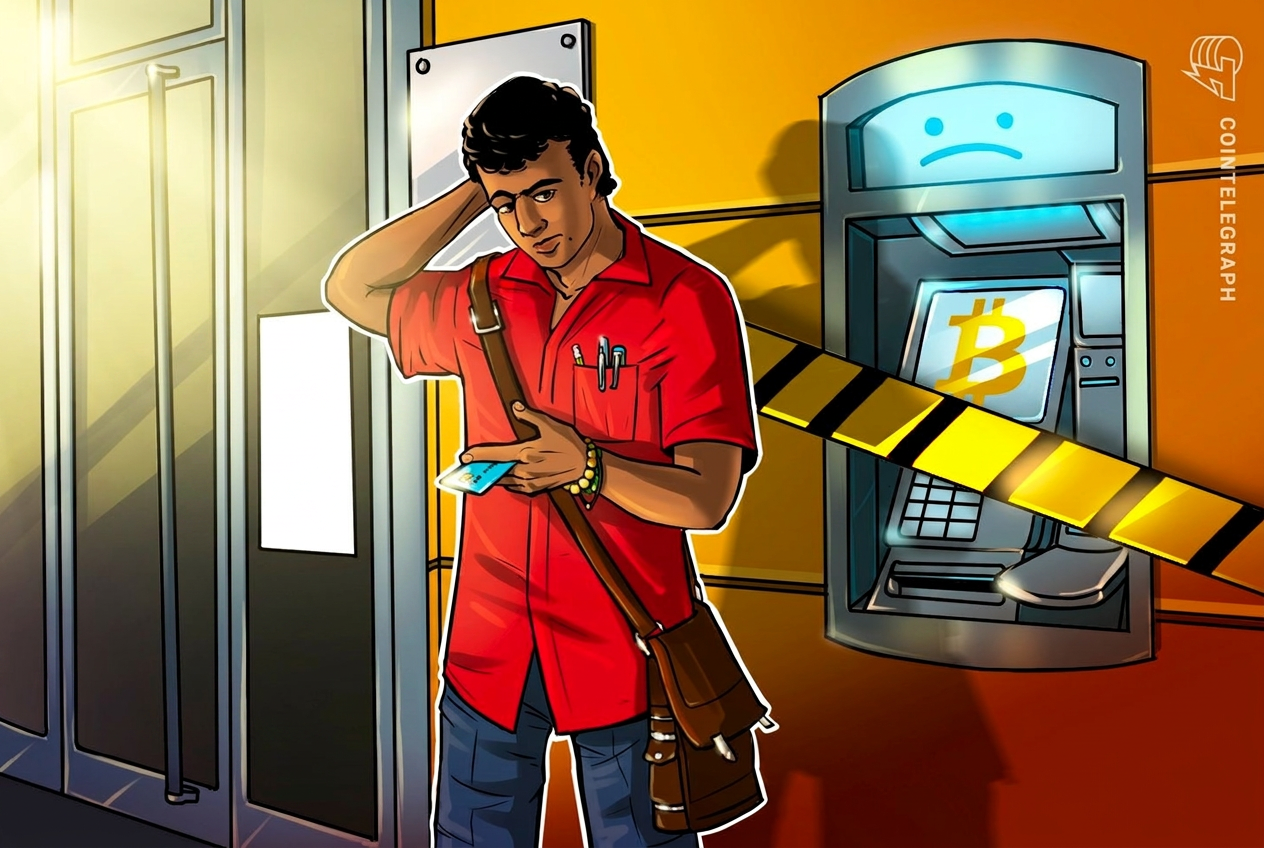
Minnesota's ban on cryptocurrency ATMs took effect following reports that state residents lost approximately $1 million to scams involving crypto kiosks between 2023 and 2025. Senior citizens bore the brunt of these losses, state officials said.
The ban represents one of the stricter regulatory moves targeting crypto ATM operators in the United States. Minnesota joins a growing list of jurisdictions tightening oversight of these machines after consumer protection concerns surfaced across multiple states.
Crypto ATMs, also known as kiosks, allow users to buy and sell digital assets through physical terminals. The machines operate with minimal identity verification requirements compared to regulated exchanges like Coinbase and Kraken. This accessibility has made them targets for scammers who exploit unsuspecting users, particularly older adults with limited crypto literacy.
The $1 million in reported losses occurred despite existing consumer safeguards in other states. Scammers typically direct victims to deposit cash into crypto ATMs, claiming they'll receive returns through various schemes. Once the transaction completes, the funds become irreversible on-chain. Victims rarely recover their assets.
State authorities attributed the spike in ATM-related fraud to inadequate operator vetting and lack of transaction monitoring. Unlike regulated crypto exchanges that implement Know Your Customer (KYC) protocols and anti-money laundering (AML) compliance, many ATM operators operated with minimal oversight.
The Minnesota action follows similar crackdowns in New York, where regulators have scrutinized ATM placements in convenience stores and laundromats. Several other states have proposed restrictions or outright bans on the devices.
Crypto ATM operators face uncertainty as regulatory pressure mounts nationwide. Companies operating these machines in Minnesota must now comply with the new restrictions or cease operations. Industry observers expect additional states to adopt comparable measures as consumer protection agencies continue documenting fraud patterns tied to unregulated kiosks.