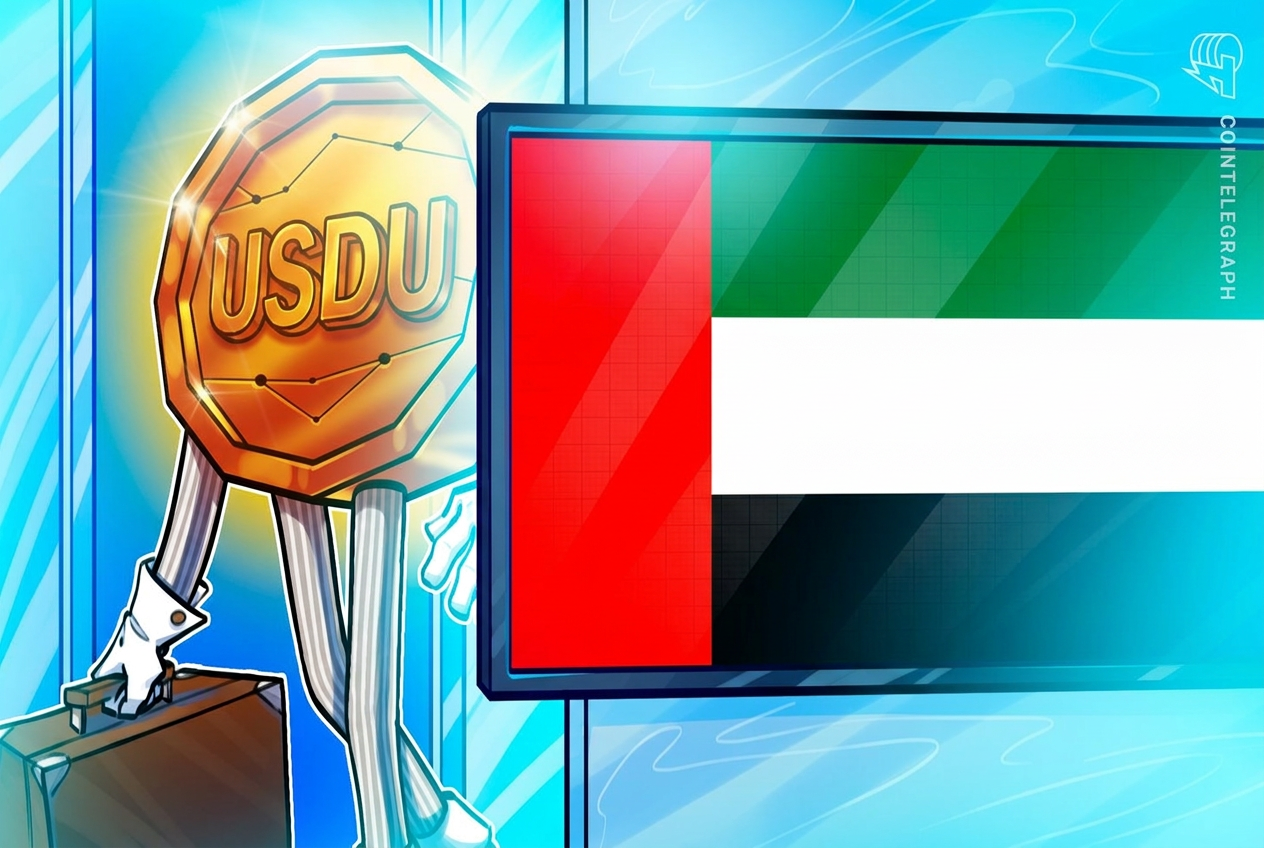
Bitcoin.com has integrated USDU, the UAE's first central bank-registered US dollar stablecoin, into its self-custodial wallet. The move marks a shift in USDU's distribution strategy, moving beyond institutional-only channels into retail accessibility.
USDU operates under regulatory oversight from the Central Bank of the UAE, giving it a compliance edge in the Middle East region. By adding USDU to Bitcoin.com's wallet, the stablecoin reaches millions of retail users who manage their own private keys through the platform. This distribution expansion comes as stablecoin issuers seek foothold in retail markets amid growing competition from USDT, USDC, and DAI.
Bitcoin.com's wallet integration lowers friction for users seeking UAE-compliant dollar exposure. USDU maintains parity with the US dollar and settles on blockchain networks, offering merchants and traders an alternative to traditional stablecoins backed by US entities. The Central Bank of the UAE's approval provides regulatory clarity that appeals to institutional players moving into the region while building retail demand.
The integration reflects broader Middle East adoption trends. Emirates and Saudi Arabia have accelerated blockchain infrastructure development, with multiple stablecoin projects launching under local regulatory frameworks. USDU's entry into self-custodial wallets signals confidence in retail demand within the region, particularly among users prioritizing local regulatory backing.
Bitcoin.com's move also strengthens its wallet's utility as a stablecoin hub. The platform already supports major stablecoins and now offers users regional alternatives, appealing to traders seeking diversified on-ramps and preserving value across multiple stable assets.
USDU's retail accessibility through Bitcoin.com should accelerate adoption metrics on-chain. Watch for transaction volume changes and holder growth as the stablecoin extends beyond institutional treasuries and into active trading wallets. Distribution breadth determines stablecoin success, and this integration removes a key barrier for Middle East and global users seeking UAE-registered dollar exposure.