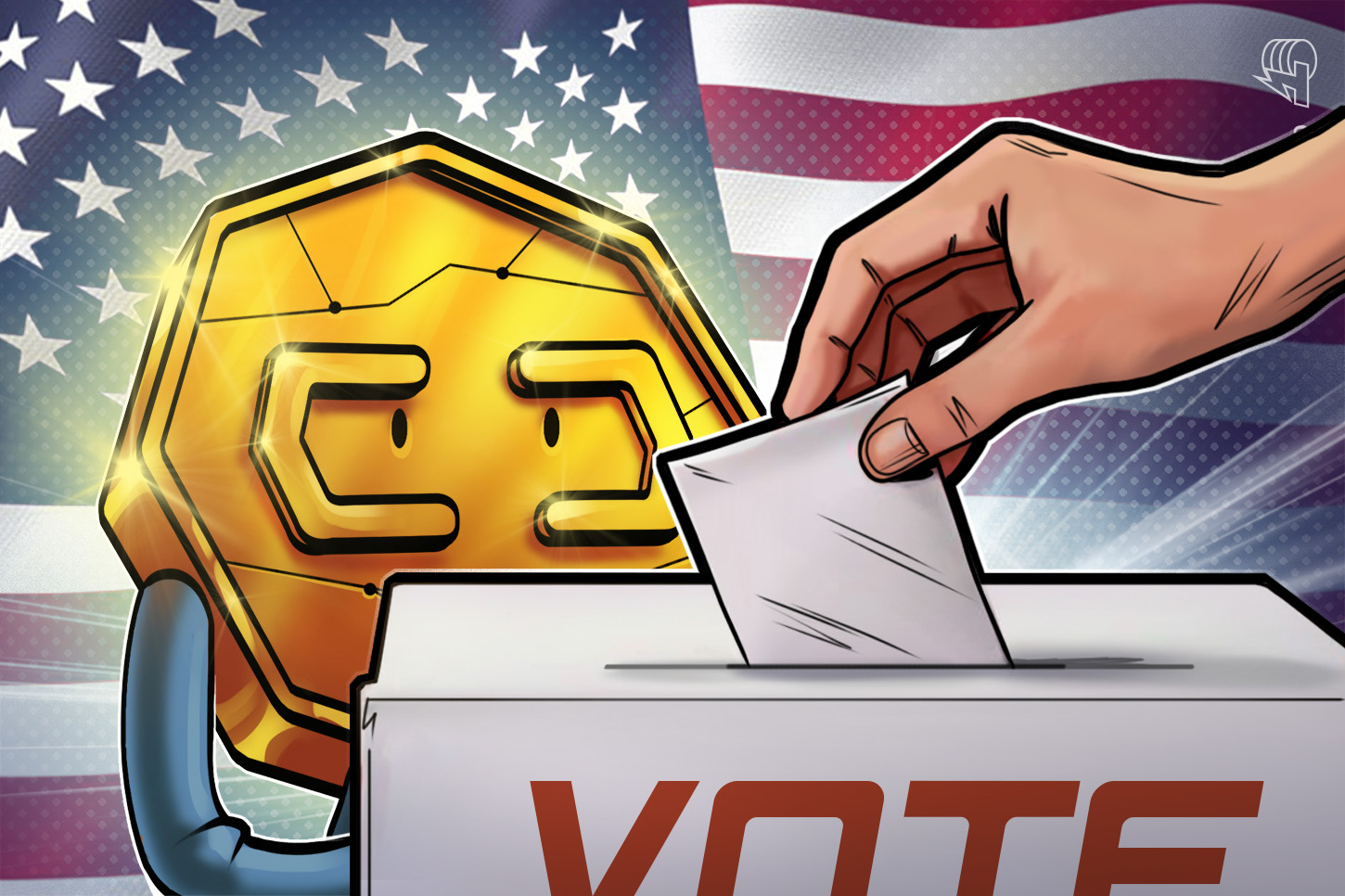
Fairshake, the cryptocurrency industry's leading super PAC, secured primary election victories but suffered a high-profile defeat in a Florida congressional race despite spending $2 million there. The PAC, backed by major crypto figures including Sam Bankman-Fried before his arrest and current industry leaders, has emerged as a dominant force in crypto-friendly political spending.
The mixed results underscore the PAC's broader strategy to reshape Congress with lawmakers sympathetic to digital asset regulation. Fairshake has deployed substantial capital across multiple races, targeting both Republican and Democratic candidates aligned with industry interests. The organization's spending reflects crypto's shift toward mainstream political engagement after years of regulatory friction with lawmakers.
The Florida loss signals limits to spending alone. Despite the $2 million investment in that single race, voters rejected the crypto-backed candidate, demonstrating that capital does not guarantee electoral success. Local issues, candidate quality, and voter sentiment remain decisive factors.
Fairshake representatives framed the setback as early-stage activity in a longer campaign cycle. The PAC indicated that primary season represents just the opening phase of efforts to build a crypto-sympathetic legislative bloc. General election spending, traditionally heavier and more consequential, remains ahead.
The PAC's dual-partisan approach distinguishes it from traditional industry groups. Fairshake funds candidates across party lines, prioritizing regulatory friendliness over ideological consistency. This pragmatism reflects crypto's need for bipartisan support as Washington debates stablecoin regulation, Bitcoin ETF approvals, and SEC enforcement authority.
Primary victories in other races validate the strategy for now. Yet the Florida outcome reinforces that crypto money, however substantial, operates within political constraints. Voters weigh many factors beyond industry preferences. Fairshake's challenge moving forward involves identifying winnable seats where crypto alignment aligns with local voter priorities, not just industry funding capacity.