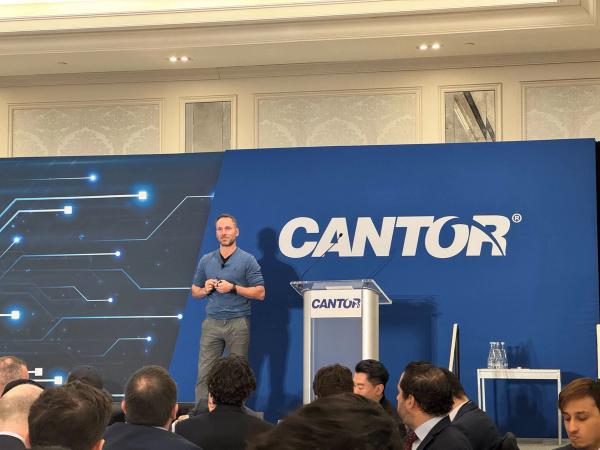
Tether's CEO Paolo Ardoino responded to a senator's investigation into the stablecoin issuer's operations in Iran, asserting that the probe overlooks positive work the company has undertaken that resulted in lower transaction volumes from the country.
Ardoino's defense addressed accusations that Tether's stablecoins have facilitated financial activity in Iran. The CEO framed Tether's actions as proactive compliance efforts, contending that the company has implemented measures to reduce Iranian usage of its USDT stablecoin.
The investigation, conducted by a U.S. senator, has scrutinized the role of stablecoins in sanctions evasion and financial activity tied to Iran. Stablecoins, which maintain pegged values to traditional currencies like the U.S. dollar, have faced regulatory attention over their potential use in circumventing financial restrictions.
Ardoino's statement suggests Tether has taken steps beyond what regulators initially recognized. The CEO's characterization of "positive work" implies the company has implemented compliance mechanisms designed to limit Iranian access to or usage of USDT. Lower volumes from Iran would demonstrate reduced financial flows through Tether's stablecoin in that jurisdiction.
The exchange highlights ongoing tensions between the cryptocurrency industry and regulators over stablecoin usage in sanctioned jurisdictions. Stablecoin issuers have faced increased regulatory pressure to demonstrate compliance with sanctions regimes, particularly regarding Iran, which faces comprehensive U.S. economic sanctions.
Tether operates USDT, the largest stablecoin by market capitalization. The company faces recurring scrutiny over its reserve backing, capital flows, and operational practices. The Iran-related investigation adds another layer of regulatory examination for the stablecoin issuer, focusing specifically on how its products are deployed globally and whether they facilitate activity in restricted jurisdictions.