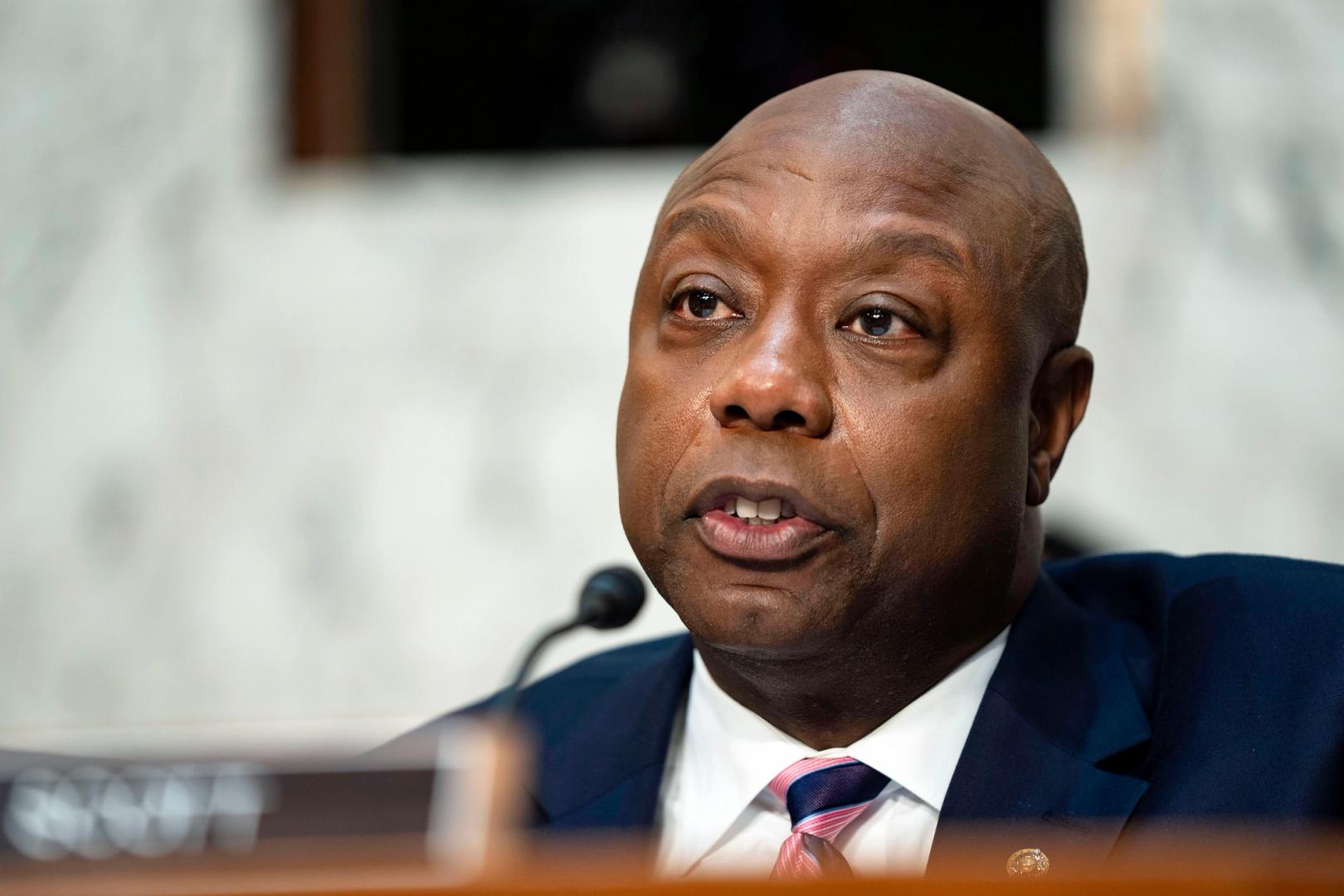
The Clarity Act passed the Senate Banking Committee with bipartisan support, clearing a major regulatory hurdle on its path to full congressional approval. The bill, which establishes a comprehensive framework for how the U.S. treats different crypto assets and the platforms that trade them, now faces final votes in both the Senate and House.
The legislation distinguishes between crypto assets classified as securities, commodities, and other categories under existing regulatory structures. The framework assigns jurisdiction primarily to the SEC for securities-like tokens and the CFTC for commodities like Bitcoin and Ethereum. This separation addresses a longstanding pain point in crypto markets where regulatory ambiguity has stalled institutional adoption and created compliance challenges for exchanges and platforms.
The committee's bipartisan vote signals growing consensus among lawmakers that crypto regulation requires clarity rather than prohibition. Supporters argue the bill protects consumers while enabling innovation by removing legal uncertainty that currently constrains market participants. The measure includes provisions addressing stablecoin issuance, custody standards, and disclosure requirements for digital asset trading platforms.
Industry observers view passage through the Banking Committee as a strong indicator the legislation can survive final congressional votes. Unlike purely partisan bills, bipartisan support typically translates to sufficient cross-aisle votes for passage. However, procedural scheduling in both chambers remains uncertain, and competing legislative priorities could delay or block a final vote.
The bill's advancement arrives as crypto markets have recovered substantially from 2023 lows, with Bitcoin trading near $45,000 and major altcoins showing renewed institutional interest. Regulatory clarity through the Clarity Act would likely accelerate institutional capital flows by removing legal risk premiums currently priced into many crypto assets.
Full Senate and House passage would establish the first comprehensive U.S. regulatory framework specifically designed for digital assets, replacing the patchwork approach that has defined the industry for over a decade. Market participants across exchanges, custody providers, and tokenized finance platforms await final congressional action.