# U.S. Senators Struggle to Find Bipartisan Agreement on Crypto Clarity Act
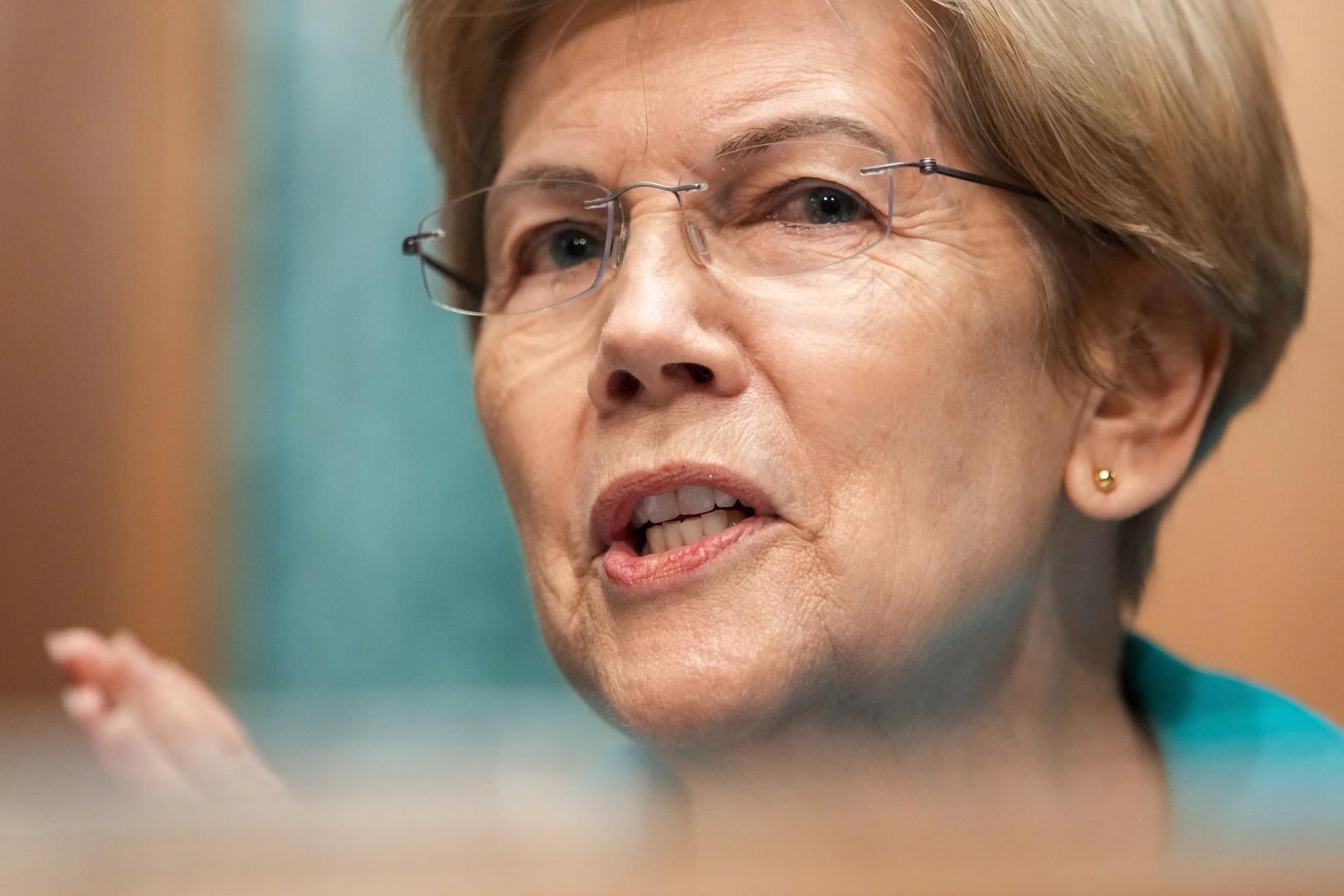
Senators from both parties failed to reach consensus on the crypto Clarity Act during a hearing aimed at advancing the market structure bill. Lawmakers expressed frustration over the inability to secure the bipartisan support needed to move the legislation forward.
The setback underscores the political fragmentation surrounding digital asset regulation in Congress. The Clarity Act, which seeks to establish clear regulatory frameworks for crypto markets, has faced resistance from various factions within the Senate. Some senators prioritize consumer protection and anti-money-laundering safeguards, while others push for industry-friendly rules that avoid stifling innovation.
The hearing revealed fundamental disagreements on key provisions. Senators debated whether the Commodity Futures Trading Commission or the Securities and Exchange Commission should assume primary regulatory authority over different asset classes. Republicans generally favored lighter-touch oversight, while Democrats pressed for stricter compliance requirements and investor protections.
The failure to build consensus reflects broader tensions in crypto policy. Industry advocates argue that regulatory clarity remains essential for the sector's maturation and institutional adoption. However, lawmakers remain divided on the specific framework that should govern digital assets, stablecoin issuance, and decentralized finance protocols.
Without bipartisan agreement, the Clarity Act faces an uncertain path forward. The lack of progress comes as global regulators move ahead with their own frameworks. The European Union's Markets in Crypto Regulation and Singapore's approach have established precedents that some U.S. lawmakers view as models, while others warn against overregulation that might push innovation offshore.
The stalemate reflects crypto's complex position within the broader political landscape. Democratic and Republican disagreements extend beyond traditional left-right divides, with regional interests, financial sector lobbying, and tech industry influence all shaping positions. Until senators resolve core jurisdictional and enforcement questions, further legislative progress remains unlikely.