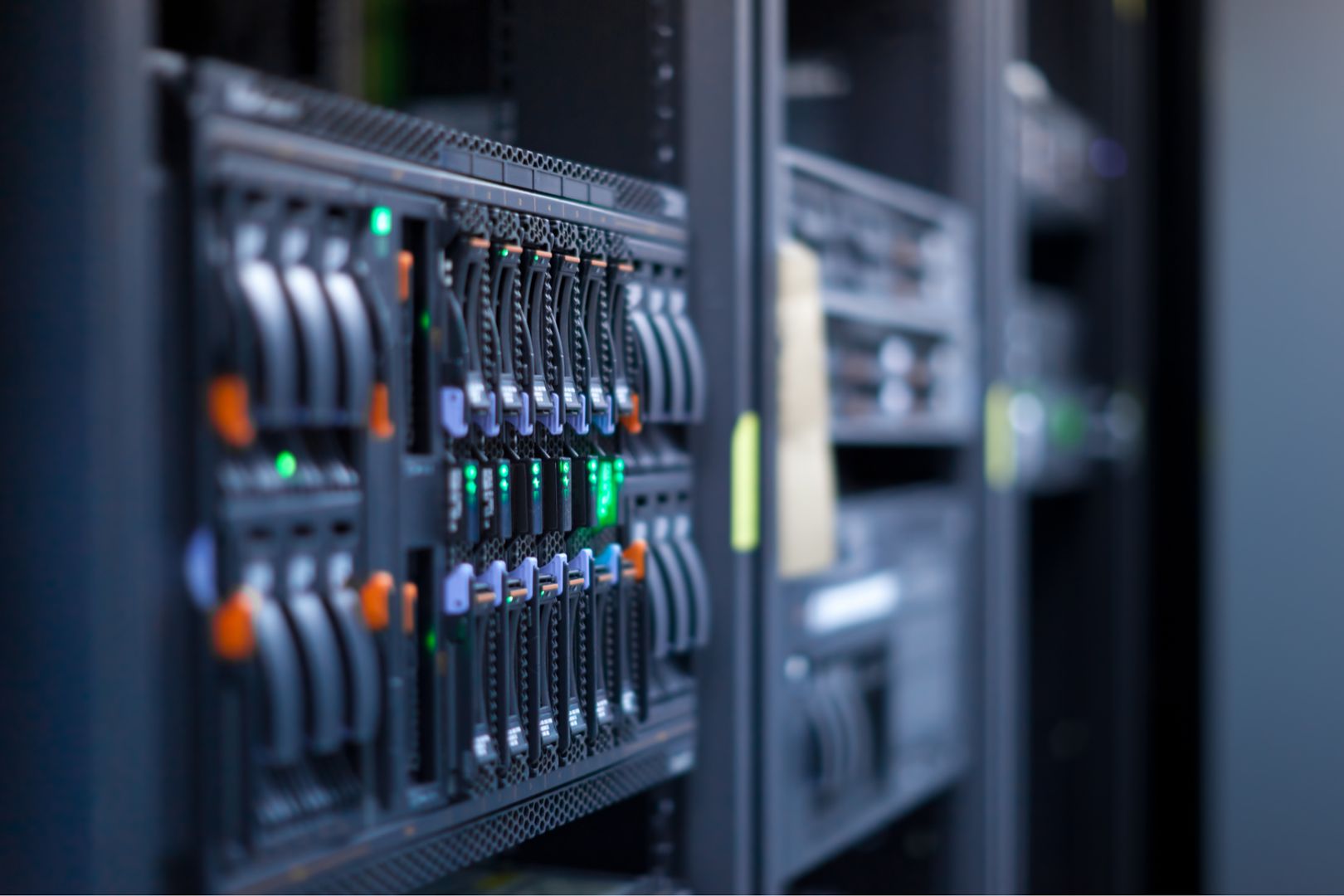
Dan Roberts, co-founder of IREN, argues that artificial intelligence's primary constraint lies not in GPU availability but in infrastructure deployment. IREN targets the infrastructure gap with a vertically integrated platform that combines power generation, data center operations, GPU provisioning, and enterprise software layers.
Roberts' thesis challenges the conventional Silicon Valley narrative around chip scarcity. While Nvidia GPUs remain expensive and demand outpaces supply, the real bottleneck emerges downstream. Data centers require reliable power, cooling systems, network connectivity, and management software. Most AI companies lack control over these layers, forcing reliance on fragmented vendors. This creates latency, cost friction, and operational complexity.
IREN's stack addresses this directly. The company controls power infrastructure to ensure grid stability for compute-intensive workloads. It operates proprietary data centers optimized for AI training and inference. IREN sources GPUs through partnerships but manages allocation and efficiency internally. Enterprise software ties these pieces together, allowing clients to deploy models without navigating multiple third-party vendors.
The timing matters. Cloud hyperscalers like AWS and Google Cloud have similar vertical integration, but IREN targets a different market segment. Mid-market enterprises and AI startups lack capital for custom infrastructure builds. Hyperscaler pricing and resource contention exclude price-sensitive players. IREN positions itself as the alternative.
This strategy echoes infrastructure plays in crypto. Just as Bitcoin mining required vertical integration of power access, hardware procurement, and operational expertise, AI training mirrors the same dynamics. Companies winning that race control end-to-end resource flow.
IREN's thesis also reflects broader infrastructure consolidation trends. As AI computation scales exponentially, power constraints tighten globally. Energy-efficient data center design becomes competitive advantage. Companies that secure reliable, affordable power win the infrastructure arms race.
Roberts' framing resets expectations for AI infrastructure startups. Chip vendors dominate headlines, but sustainable AI deployment depends on unglamorous infrastructure plumbing. IREN bets on being that plumbing layer.