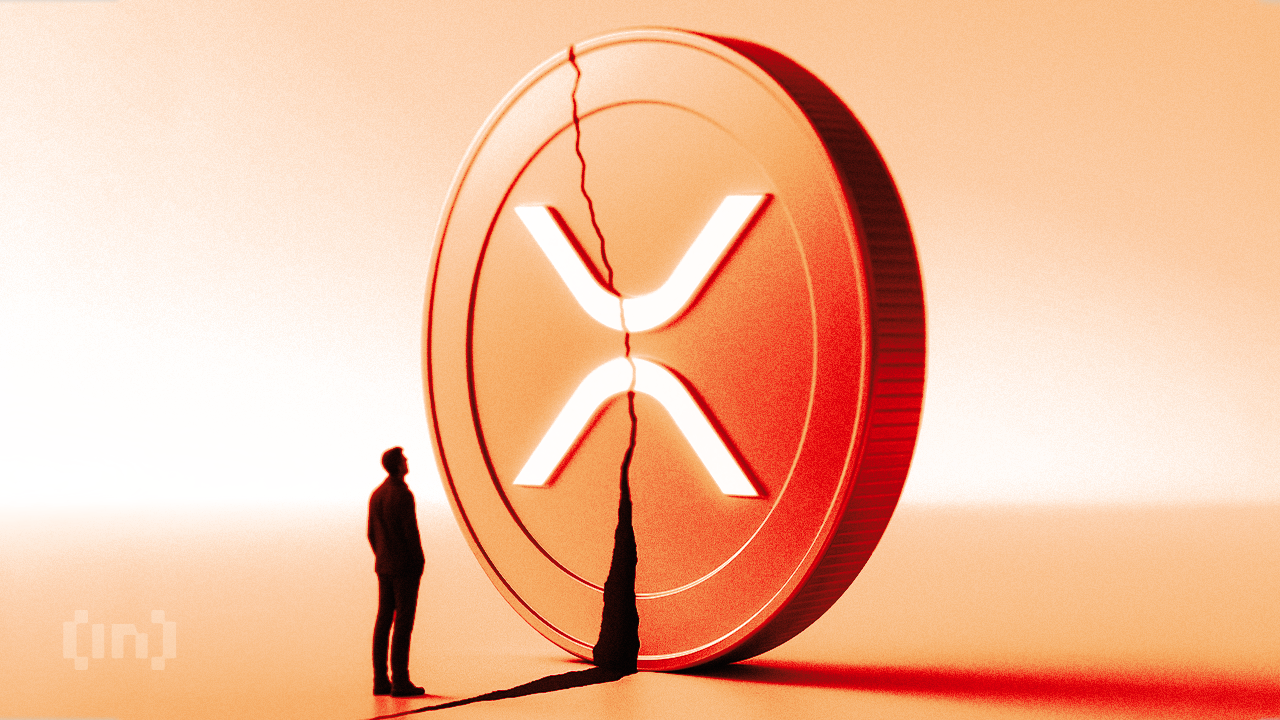
XRP has shed 26% year-to-date in 2026, sparking sharp criticism from traders and long-term holders frustrated by the token's underperformance relative to Bitcoin, Ethereum, and other major digital assets. The sustained momentum loss has widened the gap between market expectations and reality, intensifying debate about Ripple's strategic direction and XRP's utility thesis.
The decline marks a notable reversal from prior bullish sentiment surrounding the token. Holders point to stalled institutional adoption, ongoing regulatory uncertainty, and competition from faster settlement networks as headwinds. XRP remains caught between Ripple's corporate payments narrative and the broader crypto market's shift toward decentralized finance and layer-two scaling solutions.
Ripple's ability to demonstrate real-world use cases through banking partnerships faces increasing skepticism. While the company has signed deals with financial institutions, actual transaction volume tied to XRP on the RippleNet network remains modest compared to the token's market capitalization. This disconnect fuels criticism that XRP functions more as a speculative asset than a practical bridge currency for cross-border payments.
Community sentiment has deteriorated noticeably. Social media discussions reveal frustration over missed price targets and questions about whether XRP can recapture lost momentum in a market now dominated by AI-related tokens, Bitcoin ETF inflows, and emerging layer-two ecosystems. Some traders argue XRP's structure as a Ripple-held reserve constrains decentralization narratives that appeal to broader crypto audiences.
The token's underperformance compounds pressure on Ripple executives to articulate clearer paths to adoption. Without tangible progress on regulatory clarity around digital assets or breakthrough partnerships with systemically important banks, XRP risks further losing relative ground to competitors offering more compelling narratives around decentralization, yield generation, or technological innovation. The 26% retreat signals market participants are pricing in near-term headwinds rather than celebrating near-term catalysts.