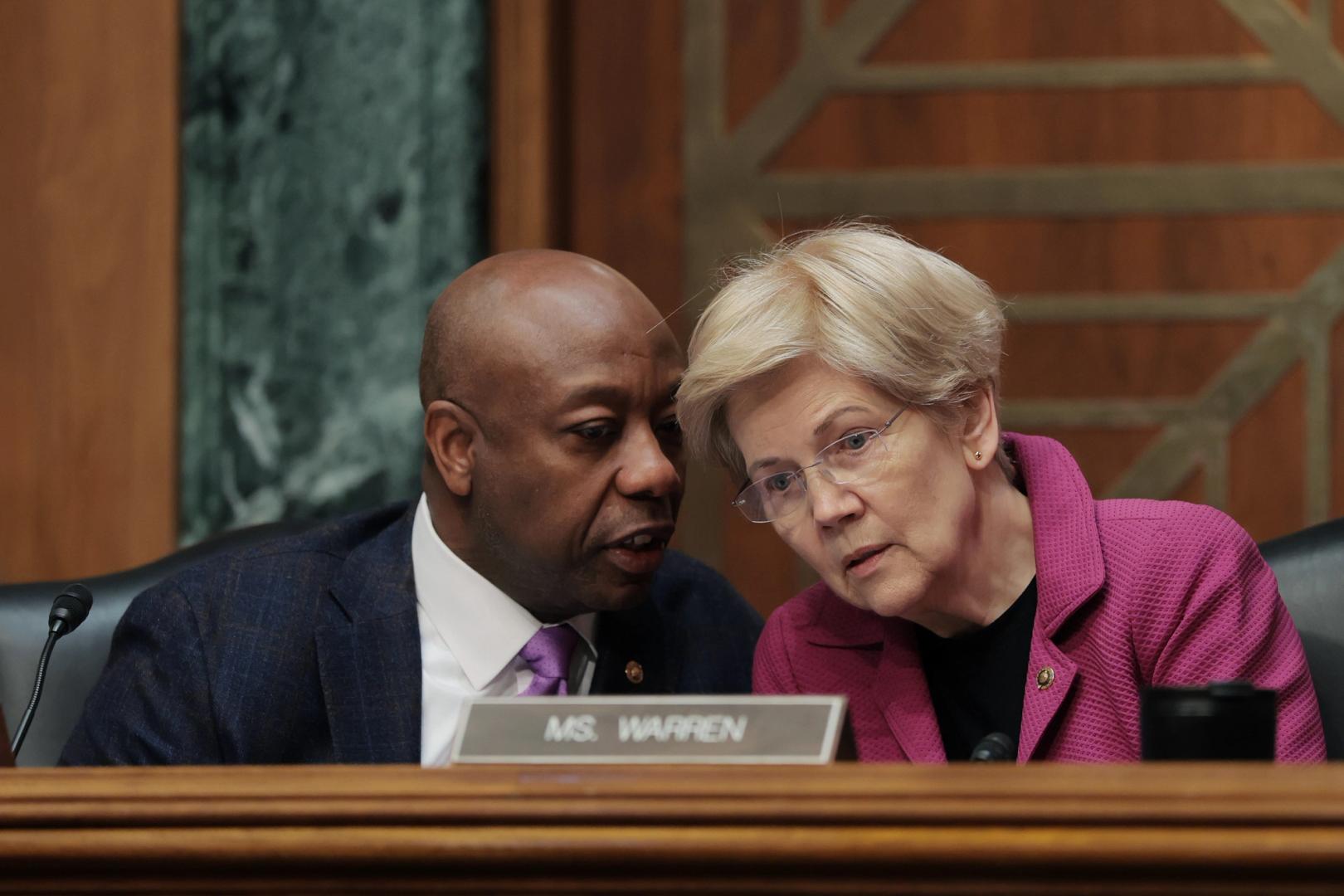
The Senate Clarity Act markup demonstrates genuine bipartisan consensus on digital asset regulation, signaling Congress readiness to advance legislative framework for cryptocurrency markets. The bill's progress through committee reflects growing recognition that the sector requires clear federal rules rather than the current patchwork of state and agency guidance.
The Clarity Act establishes jurisdictional boundaries between the SEC and CFTC, defining which tokens qualify as securities versus commodities. This distinction shapes how projects operate, how exchanges list tokens, and what compliance burdens developers face. Current regulatory ambiguity has stalled institutional adoption and driven compliance costs higher across the industry.
Passage would create standardized rules for staking, decentralized finance protocols, and token issuance. The framework addresses validator treatment, clarifies when tokens constitute unregistered securities, and establishes safe harbors for certain network activities. These guardrails appeal to conservative lawmakers concerned about fraud and consumer protection while giving builders predictability.
Industry observers see momentum accelerating post-markup. Crypto advocates argue delay only extends regulatory uncertainty that disadvantages U.S. projects competing against better-structured frameworks in Singapore, Switzerland, and the EU. The sector has spent years operating in gray zones where enforcement actions replace prospective guidance.
Senate Democrats and Republicans support forward motion, though disagreements persist on specifics. Stablecoin regulation, DeFi protocol liability, and exchange licensing terms remain contentious. However, the committee's willingness to debate rather than block suggests sufficient common ground exists.
Congressional passage would reshape market structure. Token prices often react positively to regulatory clarity announcements, as happened during previous markup discussions. Clearer rules could unlock institutional capital flows and enable compliant staking services, both currently constrained by legal uncertainty.
The timeline matters. Election cycles and competing legislative priorities mean windows close quickly. Industry sources stress that finalizing language and moving to floor votes before year-end prevents another session's delay. The Clarity Act represents the most substantive digital asset regulation effort Congress has advanced, making passage a watershed moment for U.S. crypto market development.