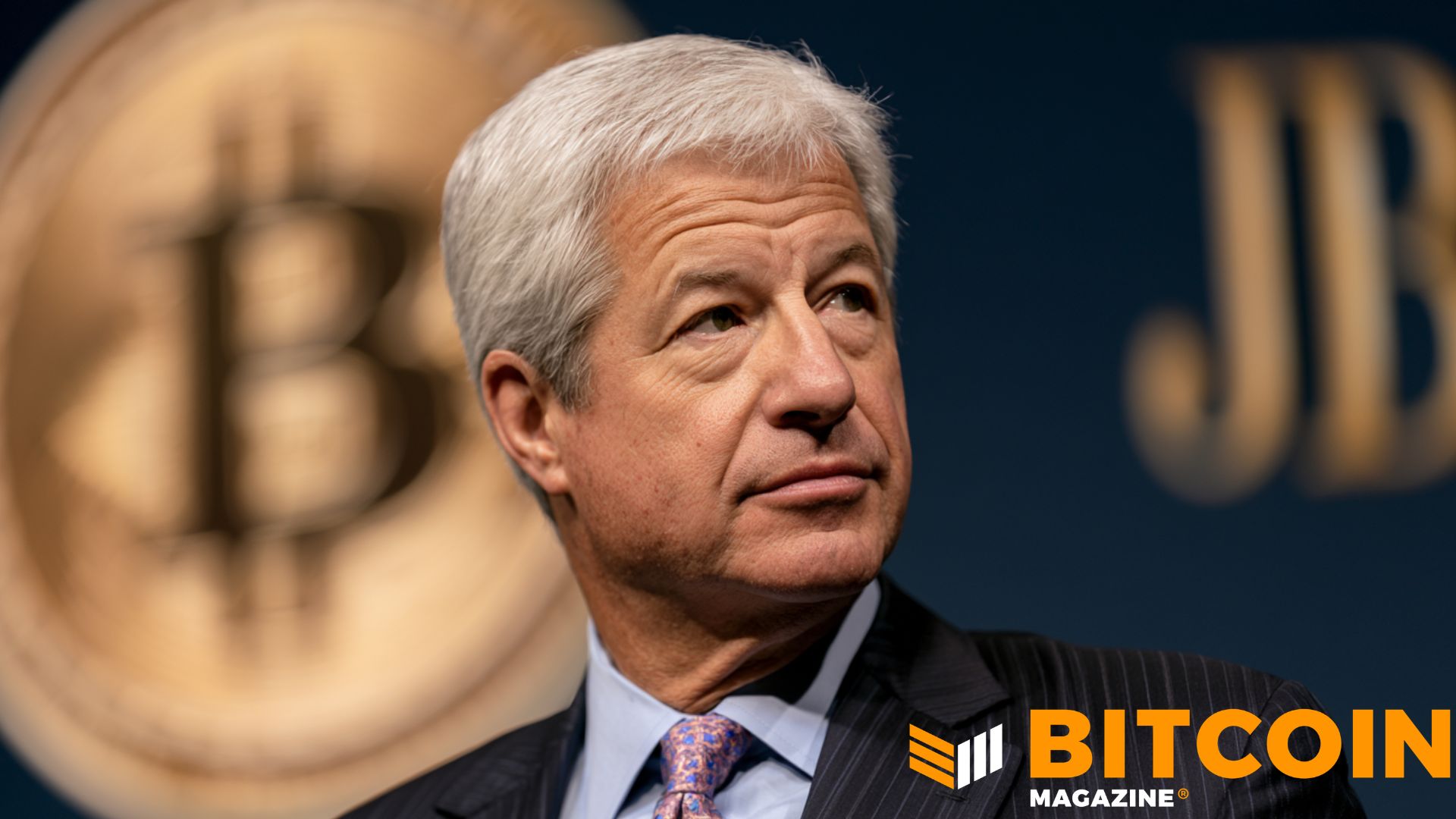
JPMorgan Chase CEO Jamie Dimon has escalated his public war against crypto regulation, specifically targeting the Clarity Act and Coinbase CEO Brian Armstrong in a Fox Business appearance Friday.
Dimon declared the Clarity Act "dead on arrival" as currently written, positioning himself as a blocking force against the legislation in Washington. He launched a personal attack on Armstrong, calling him "full of sh*t," signaling that JPMorgan views the Coinbase-backed bill as fundamentally hostile to traditional banking interests.
The Clarity Act represents a bipartisan effort to create clearer regulatory boundaries between crypto assets and securities. Coinbase has championed the bill as essential infrastructure for the industry, arguing it would prevent the SEC from arbitrarily classifying tokens as securities. Armstrong has positioned the legislation as a pro-innovation framework that protects consumers while enabling responsible growth.
Dimon's visceral response reveals the depth of institutional banking's resistance to crypto market structure reform. JPMorgan has built a substantial digital assets business, launching its own stablecoin, JPM Coin, and offering crypto custody services. The bank views regulatory frameworks that favor decentralized platforms as threats to its revenue streams and competitive positioning.
The timing matters. The Clarity Act has gained momentum on Capitol Hill, with support from both Republican and Democratic sponsors. This suggests the bill carries real legislative traction, which explains why Dimon felt compelled to go public with his opposition rather than working quietly through lobbying channels.
Dimon's language and tone indicate the financial establishment now views the crypto regulatory debate as an existential competitive threat, not just a compliance matter. His willingness to make personal attacks on Armstrong reflects how polarized the debate has become between traditional finance and decentralized platforms over who controls market structure and pricing in crypto markets.
The conflict will likely shape congressional crypto votes heading into 2026 and determine whether the industry wins clearer legal guardrails or remains trapped in regulatory ambiguity favoring the SEC's enforcement-first approach.